Bath bomb bundles can boost sales, margins, and average order value
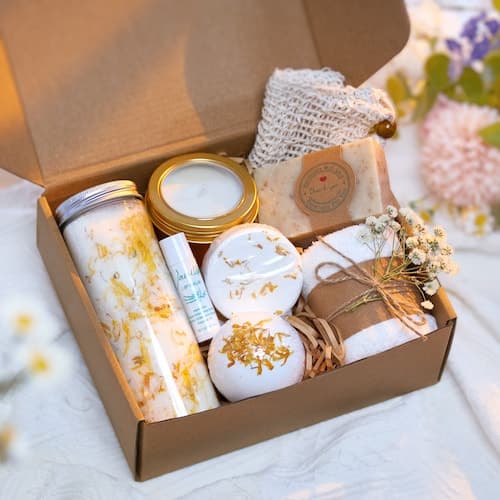
Bundle bath bombs with matching soaps, and a $7 impulse buy can become a $32 giftable set with cleaner operations and better margins.

The easiest way to turn a bath bomb table into a real sales engine is to stop merchandising single items and start merchandised lines. Made Natural’s bundling playbook starts with a simple retail truth: a bath-and-body shop often grows by adding soap, shower steamers, and Epsom salt from different vendors, but that sprawl creates more orders, more shipping costs, more minimums, and more quality variables to manage.
The cleaner move is to source the whole bath category from one supplier that can build the line under one roof. That simplifies inventory, keeps branding tighter, and gives you something the single-item table never really has: a coherent story. When the bath bomb, soap, and add-ons share a scent family, a color story, and a price point, the shelf looks less like leftovers and more like a collection.
Why the bundle changes the sale
Bundling works because shoppers do not always buy bath products by the ounce or by the ingredient. They buy them as gifts, self-care kits, and easy wins that feel more complete than a lone bath bomb in a basket. Made Natural’s example is blunt: a customer might grab a $7 bath bomb on impulse, but that same shopper can be pulled into a $32 gift set if the bundle solves a gifting problem and looks like better value.
That is where average order value starts doing real work. BigCommerce defines average order value as the average total of every order placed over a defined period, and it notes that global ecommerce AOV was more than $110 in September 2023. A bath bomb bundle is one of the cleanest ways to push that number up without inventing a new customer base, because the shopper is already in the category and only needs a stronger reason to spend more in one basket.
Build sets that look intentional
The strongest bath bomb bundles are not random multipacks. They feel like a line because the pieces share a theme that makes the choice easy: lavender bath bomb with lavender soap, citrus bomb with a bright citrus bar, rose bundle with a matching wash and a gift-ready label. The point is not to jam more units into the cart; it is to make the whole set feel curated enough that a single item suddenly looks incomplete.
That premium feel matters most when the shopper is buying for someone else, or buying a self-care package for themselves. In those moments, presentation becomes part of the product. A bundle with coordinated scent notes and colors does what a lone bath bomb cannot: it tells the customer exactly what the experience will feel like before they ever get home.
Use price points to guide the jump
A bundle only works if the price ladder makes sense. The $7 bath bomb is the easy entry point, but it should also act as the anchor for a higher-value set, not the ceiling. If the soap, bath bomb, and one or two supporting items are priced as a complete gift rather than a pile of separate parts, the customer can justify the jump from impulse purchase to full set without feeling pressured.
That is why bath-bomb sellers who line up their soaps and body-care products tend to get a better profit mix than sellers who rely on singles alone. The bundle can carry a stronger margin because the perceived value rises faster than the raw cost of the added items. In practical terms, the set gives you room to sell convenience and presentation, not just product weight.
Keep the back end as simple as the front end looks
The operational case for bundling is just as strong as the merchandising case. Made Natural’s point about one supplier matters because a cleaner supply chain leaves fewer chances to break the line. One relationship means one order, one shipment, and one quality standard, which is a lot easier to manage than juggling separate vendors for bath bombs, soap, steamers, and salts.
That matters especially in a category where consistency is part of the brand. If the bomb blooms one way, the soap lags behind, and the packaging feels mismatched, the bundle loses its premium edge fast. A single-supplier setup helps keep inventory cleaner and the visual story consistent, which is exactly what a giftable set needs.
The category is big enough to reward the effort
Bath bombs are not a novelty corner anymore. Grand View Research projects the global bath bombs market will reach $2.84 billion by 2030, growing at a 6.5% CAGR from 2024 to 2030. It also says the U.S. accounted for about 85% of the bath bombs market in North America in 2023, and the North America market is expected to reach $749.2 million by 2030.
That growth lines up with how people already use the product. Grand View Research ties the category to self-care, wellness, and demand for personalized, indulgent bath experiences, which is exactly the environment where bundles outperform single items. A market built around experience is a market that rewards curated sets, because shoppers are not just buying fragrance or fizz. They are buying the whole mood.
A hero product that grew into a line
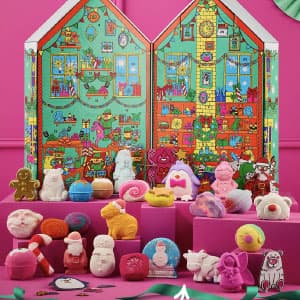
The bath bomb itself has a long runway behind it. Lush says co-founder Mo Constantine invented the first bath bomb in her garden shed in 1989, and the brand was first awarded the bath bomb trademark on April 27, 1990. Lush also says it has sold more than 350 million bath bombs globally and now sells one every 1.5 seconds.
That history matters because it shows how fast a hero product can move from novelty to mainstream ritual. Once the category became part of a broader bath and self-care culture, the single bomb stopped being the whole story. It became the center of a larger assortment, which is exactly why soap and other coordinating products now have room to lift the whole table.
The smarter bath table is the one that looks finished
A scattered display asks shoppers to assemble their own basket. A coordinated line does that work for them. When the bath bomb, soap, and add-ons share scent, color, and price logic, the table feels more premium, the gift decision gets easier, and the cart total climbs without any hard sell.
That is the real lesson here: bundling is not a gimmick layered on top of bath bombs. It is the merchandising move that turns a single good product into a coherent line, and a coherent line is what finally makes the shelf look worth buying from.
This article was produced by Prism’s automated news system from verified source data, official records, and press releases, then run through automated quality and moderation checks before publishing. The system is built and supervised by the people who set the standards it runs under. Read our full AI policy.
Did this article answer your question?