Bath bomb market grows as e-commerce, self-care drive demand
Bath bombs are no longer a novelty aisle item. With more than 822 Shopify stores and rising demand for organic and essential-oil formulas, the winners are selling a cleaner story and a sharper look.
E-commerce is still where the category is getting built
More than 822 active Shopify stores were dedicated to bath bomb products as of December 2025, and that number says plenty about where the money is going. Bath bombs have moved from a cute craft product into a crowded online category where storefronts, photography, bundle strategy, and scent story matter almost as much as the fizz itself.
That is the real signal in the market right now: the bath bomb business is booming, but it is booming in a mature, competitive way. The product is not just expanding because people want novelty once in a while. It is expanding because e-commerce lets makers sell variety, seasonal sets, and cleaner branding directly to shoppers who already know what they want.
The shop page is part of the product
One of the clearest clues in the report is the popularity of Shopify themes like Dawn and Debut among bath-bomb retailers. That points to a market where presentation is not an afterthought. If two brands are both selling a lavender fizz with similar ingredients, the one with a cleaner layout, tighter product copy, and better visual consistency is the one that feels worth clicking through.
That matters even more in a category where the product is small, colorful, and easy to compare. Bath bombs do not compete only on formula. They compete on the first screen a shopper sees, and the online storefront has become a real sales tool rather than a digital receipt pad.
Organic and essential-oil demand is doing real work
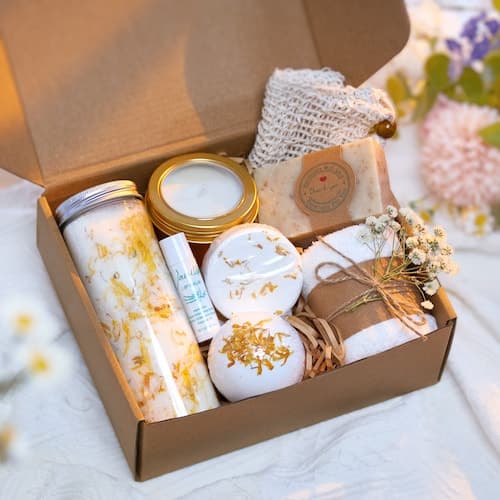
The report’s most useful takeaway for makers is that “organic” is not just a buzzword floating around the edges of the category. Search interest for “organic bath bombs” spikes sharply in December, alongside “bath bomb gift sets,” which tells you that shoppers are looking for a product that feels thoughtful, cleaner, and ready to give away.
That shift changes how you source ingredients and how you describe them. If your formula leans organic or eco-friendly, the ingredient story has to be clear enough to survive a quick skim on a product page, a gift box insert, or a market table. The same goes for essential oils, which the report treats as one of the category’s important purchase triggers. Shoppers are looking for scent with a purpose, not just a strong smell.
The practical lesson is simple: aroma is still the heartbeat of the category, but scent preferences are moving toward products that feel tied to relaxation and routine. Consumers want bath bombs to deliver sensory pleasure, an immersive experience, and a little bit of self-care theater. That is a different selling job than pushing a bright orb that fizzes well and smells sweet.
Seasonal demand is real, but the category is not just seasonal
December is the big spike month in the report, and that lines up with how bath bombs are bought. Gift sets, holiday bundles, and themed drops all get a lift when shoppers are stocking up for presents or leaning into self-care at home. But the report also notes sustained Google Trends interest in “bath bomb” over the past five years, which is the more important long view.
That five-year steadiness is what keeps the category from turning into a one-hit seasonal gimmick. Bath bombs have settled into a repeatable wellness habit for a lot of buyers, and that gives makers and specialty shops room to build a calendar instead of chasing a single fad. Winter gifting, spring refreshes, summer color stories, and autumn scent rolls can all work if the product line is planned with intent.
For workshop hosts, that means the most reliable classes are the ones that mirror how people already shop. A holiday session built around giftable sets will draw a different crowd than a general make-and-take class. The same category logic applies: people want something they can take home, use, or wrap without having to explain it too much.
Novelty still sells, but it has to look intentional
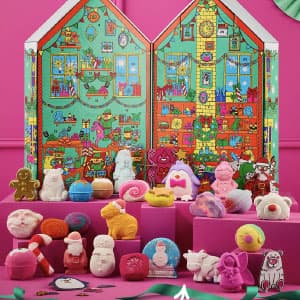
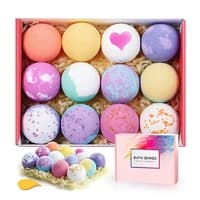
The market has clearly moved beyond the classic round fizzing sphere. Jewelry surprise bath bombs, glitter- or crystal-infused products, and a wider range of shapes are now part of the mix, and that variety is doing real commercial work. Different shapes let makers target different occasions and buyer segments, which is exactly what a more mature category does when it wants to keep growing.
That does not mean every product should turn into a novelty item. It means differentiation has become part of the baseline. A bath bomb that surprises the buyer, photographs well, or matches a holiday, birthday, or spa theme has a better shot at standing out in a market that is already full of colorful options.
The danger, of course, is overdoing it. Glitter and crystals can look cheap if the finish is messy, and a surprise center only works if the outer product still feels premium. The best sellers in this space are not trying to be the loudest object in the tub. They are balancing novelty with a clean look, a dependable scent, and packaging that makes the product feel giftable.
What makers and shops should take from the trend
The strongest bath-bomb businesses are not betting on one trend cue. They are combining the cues that are already working: organic and eco-friendly positioning, essential-oil fragrance, sustainability messaging, and a visual style that looks polished online. That mix matters because the buyer journey is now both sensory and digital. People want to imagine the fizz, but they also want to trust the brand before they ever open the box.
For specialty shops, the takeaway is to stock for both utility and display. For makers, it is to treat the product page like a shelf and the shelf like a story. And for anyone still waiting to see whether bath bombs are a real market or just internet noise, the answer is already sitting in the store count, the search data, and the way shoppers keep returning for gift sets, cleaner formulas, and more inventive shapes.
This article was produced by Prism’s automated news system from verified source data, official records, and press releases, then run through automated quality and moderation checks before publishing. The system is built and supervised by the people who set the standards it runs under. Read our full AI policy.
Did this article answer your question?