Bath bomb order surprises Raphael Gomes with unexpected package contents
Raphael Gomes opened a bath-bomb order and got a surprise instead. The fix starts with checking the listing, the seller, and the box before the fizz ever hits the tub.
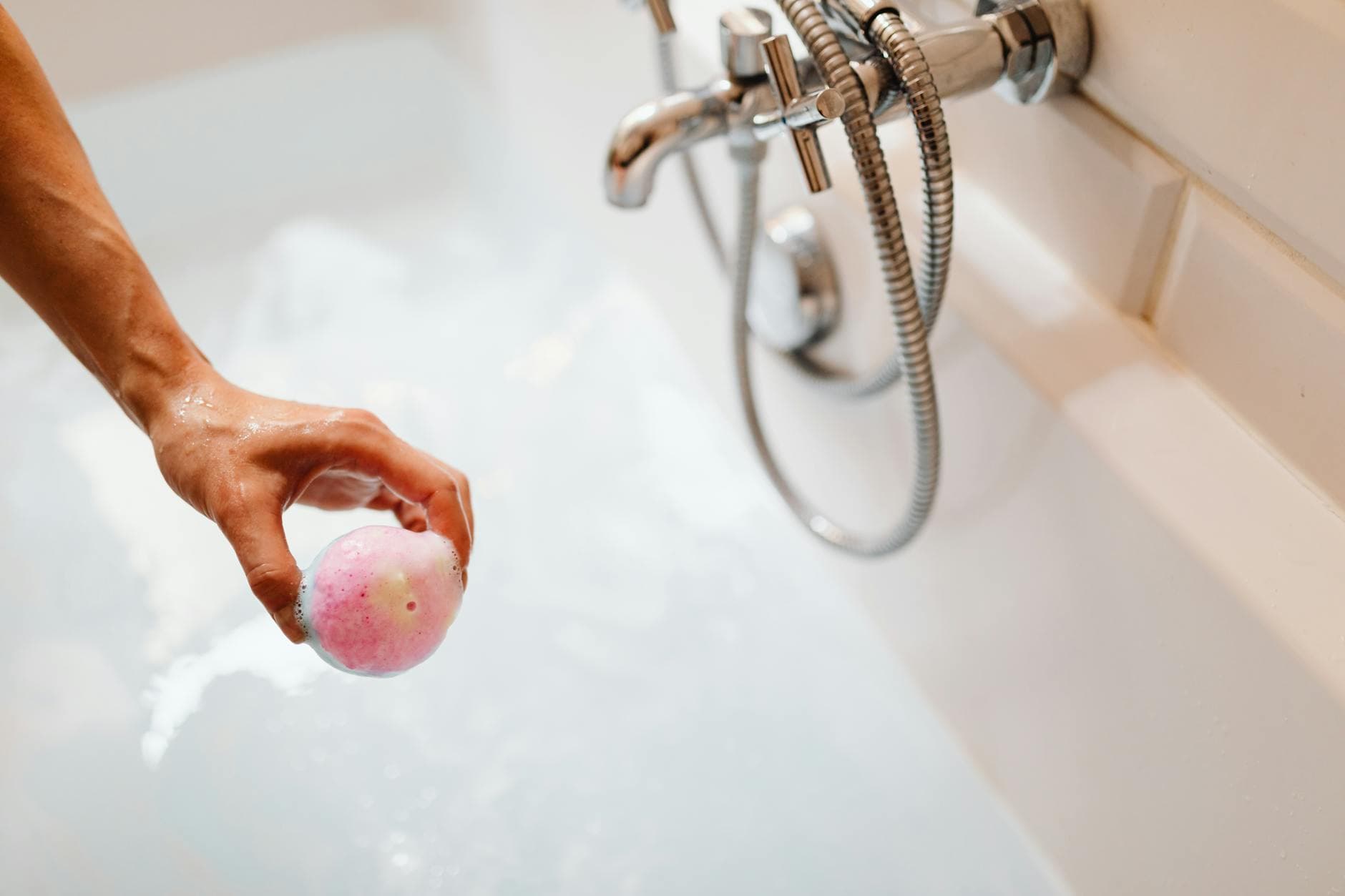
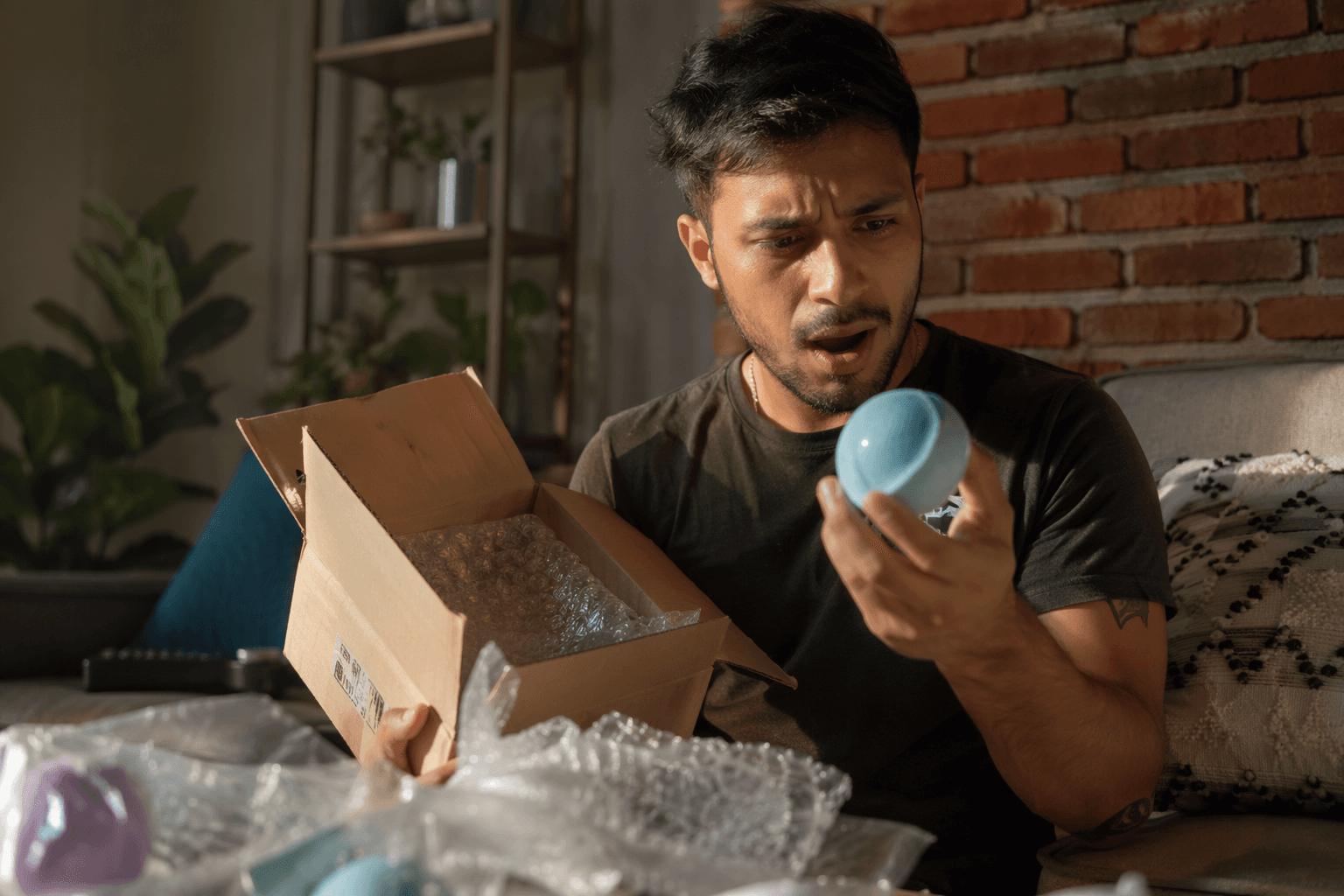
Raphael Gomes got the kind of bath-bomb surprise nobody wants: he opened a package that did not contain what he expected. The failure happened at the handoff between listing and delivery, where a routine self-care buy turned into a mismatch that was obvious the moment the box was opened.
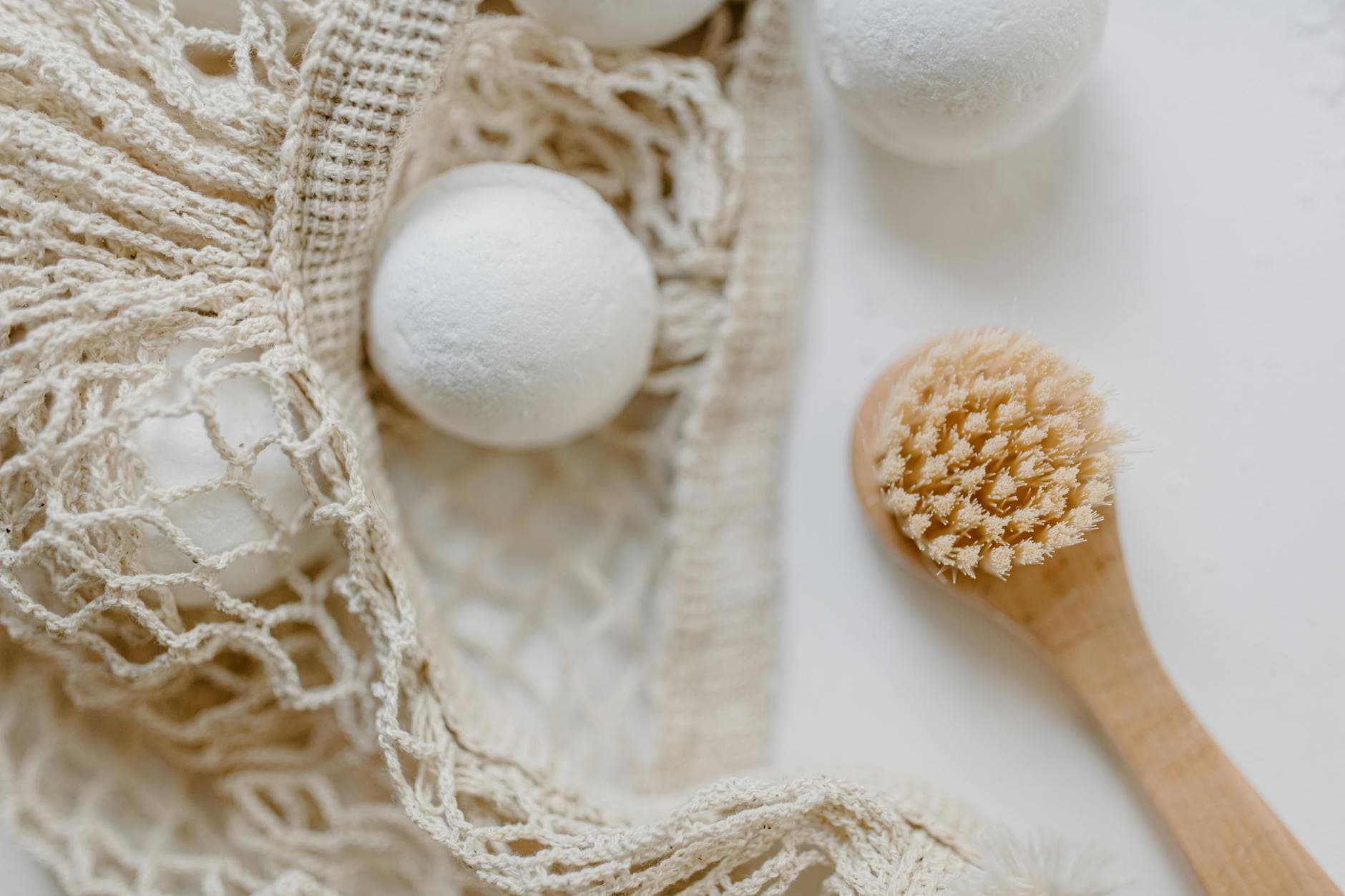
That is the core lesson for anyone ordering handmade or novelty bath products online. Bath bombs sell on trust. The buyer is not just paying for scent or fizz, but for the promise that the ingredients, packaging, and final reveal match the listing. When the item in the box does not line up with the product photos or description, the disappointment lands harder than it would with a basic household item.
The safest way to shop is to treat the listing like a label, not an ad. Check whether the seller names the product clearly, shows the actual packaging, lists ingredients, and includes age or safety warnings. If the page is vague, if the photos look generic, or if the product seems more focused on a surprise reveal than on a bath bomb itself, that is a warning sign. Save the order confirmation, take screenshots of the listing, and film the unboxing if the package looks off. If the wrong item arrives, document the box, the shipping label, and the contents before contacting the marketplace and the seller.
That caution matters because bath bombs sit inside the cosmetics rules, not a novelty gray zone. The Food and Drug Administration says cosmetics must be safe under labeled or customary conditions of use, properly labeled, and not deceptive in packaging or labeling. Under 21 CFR Part 740, warning statements have to appear prominently when needed to prevent a health hazard, and products with safety that is not adequately substantiated can be misbranded without the proper warning language.
The warning signs show up in real market testing too. The Hong Kong Consumer Council tested 17 bath-bomb models in April 2025 and found eight with small gifts, seven of which only appeared after the bath bomb dissolved in water. Five lacked Chinese or English warnings about recommended user age and safety, and about half contained fragrance allergens. Prices in that test ranged from HK$12 to HK$299 per pack and HK$12 to HK$100 per piece, which shows how wide the market has become.
The category also has a safety record that goes beyond disappointment. On February 26, 2026, the U.S. Consumer Product Safety Commission recalled about 9,400 Tubby Tots Fizzy Flask Bath Magic bath foam sets in the United States and about 600 in Canada after reports that pressure buildup could force pieces out when opened, causing impact injuries. Three incident reports and two injuries, including bruising, swelling, and one chipped tooth, were tied to the recall.
That is why Gomes’ package surprise matters beyond the unboxing clip. In a market built on reveal, the box has to match the promise, because once the seal is broken, the buyer already knows whether the seller earned the trust.
This article was produced by Prism’s automated news system from verified source data, official records, and press releases, then run through automated quality and moderation checks before publishing. The system is built and supervised by the people who set the standards it runs under. Read our full AI policy.
Did this article answer your question?