Bath bomb problems, humidity and hidden reveals need clearer guidance
The fastest way to judge a dud bath bomb is simple: look at the fizz, the crumble, the scent, and the packaging trail it left behind.
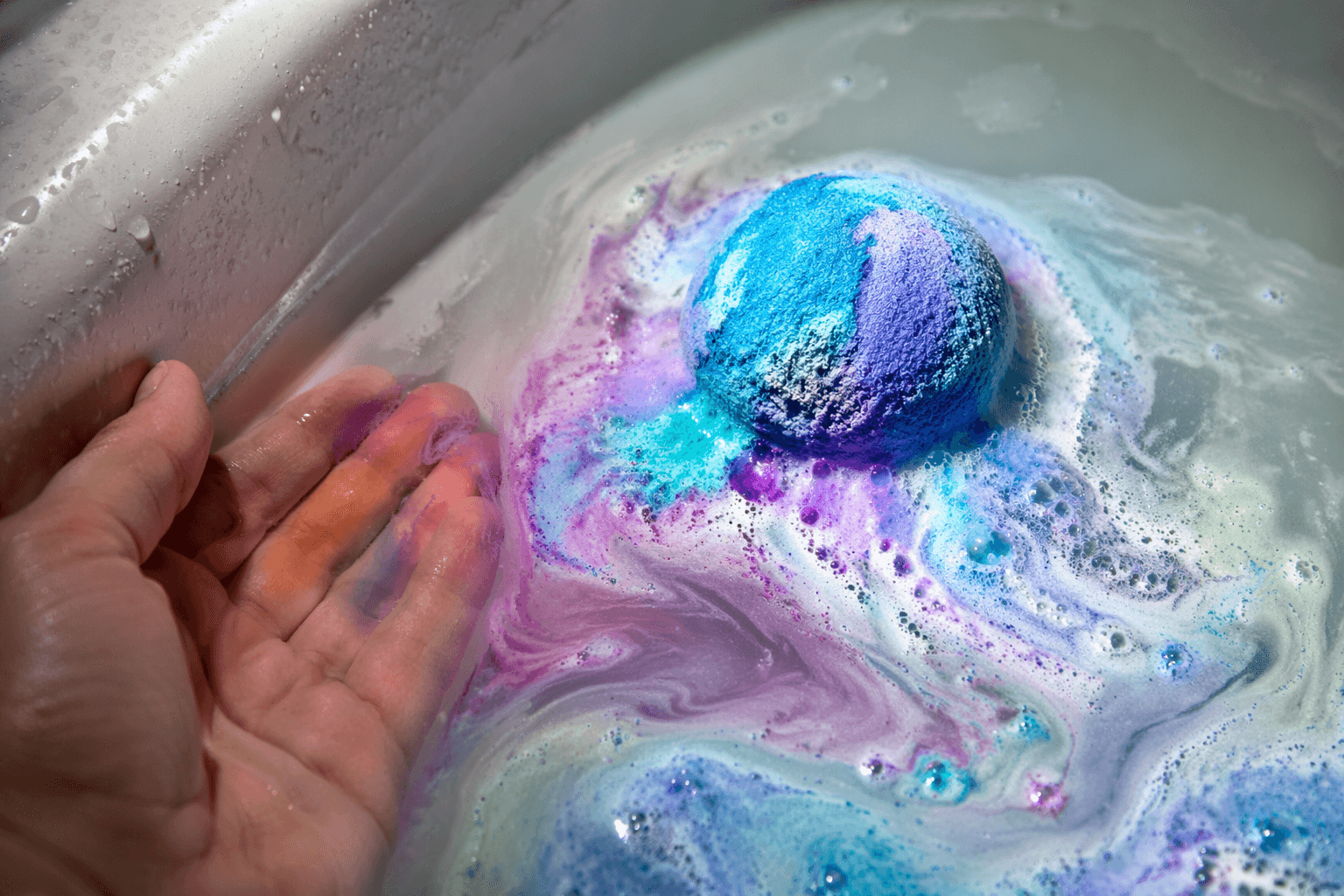
The first clue is usually in the texture
When a bath bomb feels soft, crumbles in your hand, or fizzles weakly in the tub, the problem is often bigger than one bad soak. The clearest troubleshooting signal is moisture, because bath bombs are built from sodium bicarbonate and citric acid, two ingredients that stay calm when dry and react fast when wet. Bramble Berry says bath bombs are highly sensitive to humidity and recommends keeping making and storage conditions below 60 percent, which is why a bomb can look fine on the shelf and still underperform once it has absorbed too much air.
That makes texture the first test. A bomb that breaks apart too easily usually points to storage trouble, shipping exposure, or a formula that did not stay dry long enough before use. A bomb that feels intact but gives only a weak fizz can signal the same thing, or it can mean the user expected a longer, louder reaction than the blend was designed to deliver.
What the common failure points are really telling you
The bath bomb complaints buyers recognize most often are not random. Crumbling, weak fizz, staining, and a scent that barely reaches the waterline all point to different parts of the same chain: ingredients, handling, and expectations. The candle side of the same troubleshooting conversation has its own familiar tells, like tunneling and wick mushrooms, and that comparison matters because both products are fragile in different ways and both reward better customer education.
A practical read on the problem looks like this:
- Crumbling or softness often points to moisture damage, rough shipping, or storage in a damp bathroom.
- Weak fizz usually means the bomb picked up humidity, the formula was off, or the user added it to water in a way that muted the reaction.
- Staining or heavy residue can mean the product relies on stronger colorants than the buyer expected, or that the tub water and surface made the dye behave more visibly.
- Poor scent throw can mean the fragrance load is modest, the formula is meant to be subtle, or the buyer expected candle-style performance from a product that releases scent only in hot water.
That last point is important. Bath bombs do not behave like room fragrances or candles, so disappointment often comes from a mismatch between what the product is and what the shopper hoped it would do.
Humidity is the hidden culprit buyers overlook
Humidity sits at the center of most bath bomb troubleshooting because it works long before the bomb ever hits the tub. Bramble Berry’s guidance is blunt on this point: moisture in the air can kick off the reaction early, which means the bomb can lose its punch before the customer even opens the package. That is why makers obsess over dry curing spaces, sealed storage, and packaging that protects the finish on the bomb as well as the scent inside it.
For shoppers, that means a disappointing bath bomb is not always proof of bad craftsmanship. It can also be a shipping problem, a warehouse problem, or a storage problem after arrival. If a product arrives softer than expected, looks slightly swollen, or starts shedding dust in the box, humidity is a likely suspect before the formula itself gets blamed.
Hidden reveals change the rules
The category has moved far beyond simple fizz. Some bath bombs now include jewelry reveals, novelty centers, or other hidden items that turn the soak into a small unwrapping ritual, and that changes what buyers think they are paying for. Jackpot Candles points to this shift directly by treating a bath bomb that feels softer than expected and a jewelry reveal that is not obvious enough as part of the same customer-education problem.
That matters because a hidden-item bomb succeeds or fails on two layers at once: the bath experience and the reveal. If the reveal is too subtle, the customer may assume the product underdelivered even if the bath bomb technically performed. Retailers in the jewelry-bomb space often advertise rings, pendants, or earrings, with some pieces promoted at values as high as $7,500, so the reveal itself becomes part of the promise, not an extra bonus. If the packaging, instructions, or messaging do not make that clear, disappointment is almost guaranteed.
Safety and labeling matter more when the prize is inside
The moment a bath bomb contains a hidden object, the category starts overlapping with safety and labeling concerns. The U.S. Consumer Product Safety Commission says children’s products intended for children under 3 that present choking hazards because of small parts are banned hazardous substances. That does not turn every reveal product into a children’s item, but it does make the size, placement, and warning language around hidden pieces much more important.
This is also where clear product labeling helps everyone. If the item is meant for adults, say so plainly. If a reveal is tiny, fragile, or difficult to spot, the customer should know that before the bath starts, not after they have drained the tub looking for treasure.
The chemistry is simple, but the expectations are not
Bath bombs may look like playful self-care, but the chemistry is basic and unforgiving. The familiar sodium bicarbonate and citric acid pairing only works properly when dry, which is why moisture control is not an optional maker detail but part of the product itself. The U.S. Food and Drug Administration also says cosmetics and cosmetic ingredients generally do not need premarket approval before sale, with certain color additives as exceptions, but they still must be safe under labeled or customary conditions of use.
That means the burden sits on makers to get the formula, fragrance, and color choices right, and on shoppers to understand that a bath bomb is not a miracle product. The Environmental Protection Agency’s Safer Choice fragrance criteria also exclude certain hazardous fragrance chemicals in certified products, a reminder that scent choices carry both sensory and safety weight. In other words, the best bath bombs are not just dramatic in the tub. They are stable on the shelf, clear in the label, and honest about what they will and will not do.
Why this category keeps getting more complicated
The bath bomb is no longer a novelty item tucked into a spa-themed gift box. Lush says co-founder Mo Constantine invented the first bath bomb in her garden shed in 1989, and the company says it has since sold more than 350 million bath bombs worldwide. That scale helps explain why troubleshooting has become its own language: the more popular the product gets, the more likely it is to spawn different expectations around fizz, fragrance, color, and hidden surprises.
The market numbers tell the same story. Grand View Research estimated the global bath bomb market at USD 1,859.7 million in 2023 and projected it to reach USD 2,837.8 million by 2030. As the category grows, so does the range of products that claim to offer more than a basic soak. That makes clearer guidance less of a nice-to-have and more of a requirement for anyone buying, making, or selling bath bombs.
A smarter way to judge the next bomb you buy
The easiest way to avoid disappointment is to read the failure before you blame the product. A crumbling bomb leans toward moisture damage. A weak fizz points toward storage, shipping, or a formula that needs a dry environment to hold together. A hidden reveal that is too subtle may be a labeling problem, not a bad idea. And scent that seems faint may simply be a misunderstanding of what bath bombs are built to do.
That is the real survival guide here: do not treat every bad bath bomb like a mystery. Start with humidity, check the packaging, question the reveal, and remember that the product’s best moment begins long before it touches water.
This article was produced by Prism’s automated news system from verified source data, official records, and press releases, then run through automated quality and moderation checks before publishing. The system is built and supervised by the people who set the standards it runs under. Read our full AI policy.
Know something we missed? Have a correction or additional information?
Submit a Tip