Summer bath bomb sales rise with lighter scents and gift occasions
Summer changes what bath bomb shoppers actually reach for, and stores that miss the June-to-August scent shift can leave fast-moving sales behind.

Summer is a merchandising reset, not just a weather change
Made Natural’s summer roundup makes a blunt retail point: bath bomb buyers do not shop the category the same way in June that they do in January. When the weather turns hot, the shelf that still leans on heavy winter scents can start moving slower, while fresher blends feel instantly more appealing.
The cost of missing that shift is simple. Bath bombs are still the same core product, but the way they are scented, displayed, and grouped determines whether they sit or sell. Summer is when lighter, brighter, vacation-coded assortments can outperform cozy profiles that made sense in colder months.
What shoppers want when temperatures rise
The strongest summer performers are the scents that read like a getaway. Tropical coconut, ocean breeze, citrus, and fruity cocktail blends fit the season because they feel clean, bright, and easy to gift. That is the heart of the seasonal rotation: not inventing a new product, but swapping the sensory story.
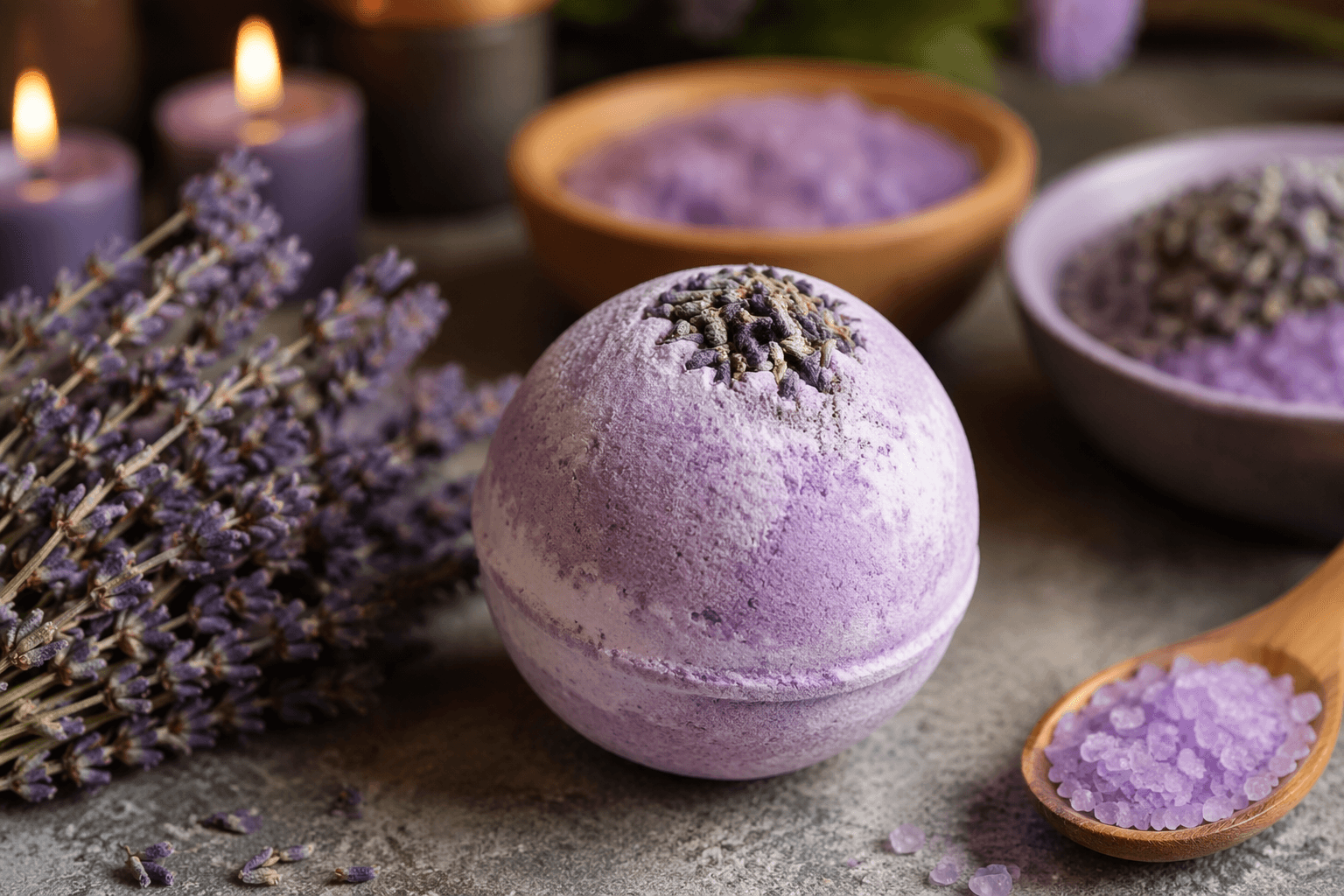
Heavy winter profiles such as lavender and vanilla do not disappear, but they can feel dense in July. Warm weather changes scent perception, so a fragrance that feels comforting in January can seem overly rich in peak summer. Fresh notes can suddenly feel more vivid and more refreshing, which is why a summer shelf needs lighter top notes and a visual mix that reinforces the shift.
Turn the calendar into a sales plan
The guide’s clearest retail advice is to treat seasonal rotation as a sales strategy. Summer displays do better when stores refresh the scent story, change the presentation, and make the assortment feel new to returning shoppers. A static display can make a successful product look stale even when demand is there.
That means planning for the June-to-August window instead of waiting for it to arrive. Summer-limited launches can give a boutique a reason to reorganize the shelf, while travel-season displays can group bath bombs with the kinds of buyers who are already looking for quick gifts and easy add-ons. The product formula stays familiar; the merchandising does the work.
Gift occasions are doing a lot of the heavy lifting
May through September brings a different kind of buying pattern, and summer bath bombs fit right into it. The strongest occasion-based pushes include hostess gifts, teacher thank-yous, bridesmaid bundles, end-of-school presents, and welcome kits for travelers and vacation rentals. Those are practical, ready-made use cases that make a bath bomb feel like a complete present instead of a single item.
That gifting angle matters because bath bombs are already visual, compact, and easy to bundle. A small brand can build a summer table around paired scents, travel-friendly sets, or themed packaging without changing the base product at all. The key is to make the display answer the buyer’s question fast: who is this for, and why does it fit right now?
The retail signal is already visible online
Marketplace behavior backs up the seasonal logic. Etsy listings are already targeting bath bomb buyers as teacher gift and bridesmaid gift shoppers, which shows how tightly the category is tied to occasion-based search behavior. Amazon listings are pushing ocean, coconut, citrus, and mixed-scent sets, reinforcing the idea that summer bath bombs are being sold as both sensory products and giftable bundles.
That matters because shoppers are not browsing the category in a vacuum. They are searching for a mood, a recipient, or a destination. A summer assortment that mirrors those search habits is more likely to convert, especially when the shelf includes bright scent stories and easy gifting cues.
Why the sensory logic holds up
The summer scent shift is not just retail intuition. Recent multisensory research found that fragrance can influence thermal sensation, and one paper reported that mint was perceived as significantly cooler in a warm environment. A PMC review adds that fresh odor quality is often interpreted as cool and associated with the opposite of warm.
For bath bomb makers, that is useful because it explains why lighter fragrances can feel more convincing in hot weather. Citrus, oceanic, and fresh blends do more than smell seasonal. They support the buyer’s physical experience of summer, which makes them a stronger fit for June through August than denser, more enclosed scents.
The category has the scale to reward smart merchandising
This is not a tiny niche story. Grand View Research says the North America bath bomb market was projected to reach $749.2 million by 2030, with a 4.8% compound annual growth rate from 2024 to 2030. The same research says the United States accounted for about 85% of the bath bombs market in 2023.
The broader opportunity is also expanding. Grand View Research estimates the global luxury bath and body products market at $19.03 billion in 2025 and projects it to reach $32.94 billion by 2033. Those numbers help explain why a well-timed summer assortment can matter so much: the category has real scale, and the buyers are already there.
The product still carries a strong origin story
Bath bombs have staying power because the format has a memorable history. Lush says co-founder Mo Constantine invented the first bath bomb in 1989 in a garden shed in Dorset, England. The company says it was first awarded a bath-bomb trademark on April 27, 1990.
That early origin still shapes how the category sells today. Lush says it has created more than 500 bath bomb designs and sold more than 350 million bath bombs globally, which shows how far the product has traveled without losing its core appeal. The format remains durable because it is sensory first: color, fizz, fragrance, and instant payoff.
Safety and fragrance choices still need to stay disciplined
Seasonal does not mean careless. The International Fragrance Association says its globally recognized standards limit or restrict fragrance materials only when safety concerns exist, and it places final responsibility for safe products on companies. That is especially relevant for summer assortments built around citrus, essential oils, and layered blends.
For makers, the takeaway is straightforward: match the lighter summer scent story with solid product discipline. The best seasonal launch is the one that feels fresh on the shelf and still fits the standards behind the ingredients. When June arrives, the strongest bath bomb displays do not just look different, they sound different, smell different, and sell different because they were built for the season that is actually in front of the customer.
This article was produced by Prism’s automated news system from verified source data, official records, and press releases, then run through automated quality and moderation checks before publishing. The system is built and supervised by the people who set the standards it runs under. Read our full AI policy.
Know something we missed? Have a correction or additional information?
Submit a Tip