Lavender remains bath bombs' best-selling scent, backed by aromatherapy science
Lavender keeps winning because it sells relaxation, familiarity, and giftability in one bottle, while the science gives bath bombs a credible core SKU.
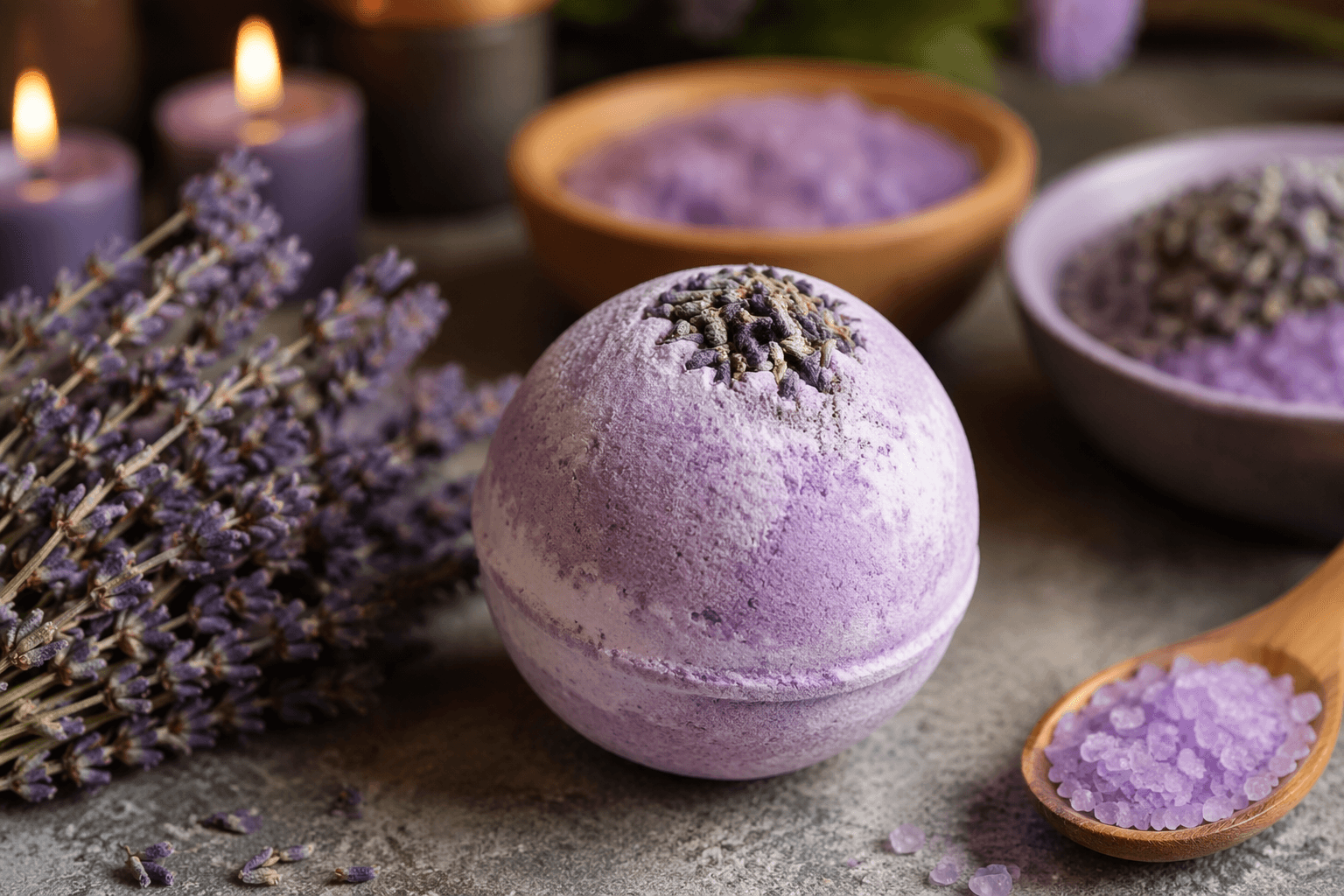
Lavender is still the bath bomb aisle’s anchor scent
Lavender keeps doing something most novelty scents cannot: it gives shoppers a reason to buy without needing a sales pitch. Made Natural calls it the best-selling bath bomb scent in the world, and that lines up with why it keeps showing up at the center of displays, gift sets, and repeat orders. Customers already know what lavender smells like, they connect it with relaxation, and they rarely need a long explanation before they reach for it.
That combination matters in a category built on impulse and mood. A strong bath bomb scent has to do more than fizz well, it has to sell a feeling fast. Lavender does that by crossing several purchase motives at once, from self-care and sleep-minded routines to gifting, household familiarity, and year-round appeal.
Why lavender outperforms novelty launches
The biggest edge lavender has is that it works for almost everyone. It is familiar enough for first-time bath bomb buyers, calm enough for self-care shoppers, and neutral enough to fit into gift bundles without narrowing the audience. That makes it a rare scent that can sit at the center of a display and still feel approachable to a broad mix of customers.
It also solves a problem that hits makers and retailers every season: not every scent can carry a category on its own. Citrus, dessert-inspired blends, and trend-driven fragrance profiles may spike interest, but lavender has the steadier job of converting hesitant shoppers and supporting repeat purchase behavior. For stores that want one bath bomb to act as the dependable “core SKU,” lavender remains the safest bet because it checks more boxes than almost any other scent.
The science gives the scent extra weight
Lavender’s commercial strength is reinforced by a body of aromatherapy research that is unusually deep for a bath bomb fragrance. Lavender essential oil has been studied in systematic reviews and clinical research for stress, anxiety, insomnia, and sleep quality, which helps explain why the scent keeps showing up in wellness-led product strategies. In other words, the bath bomb does not have to invent the relaxation story from scratch, because lavender already carries it.
The plant chemistry also helps the category tell a credible story. Lavender oil commonly contains linalool and linalyl acetate, two major constituents that appear repeatedly in the scientific literature on Lavandula angustifolia oil. Linalool in particular has been linked in research discussions to stress reduction, sleep support, and calming effects on the nervous system, giving bath bomb makers a science-backed language for a scent that shoppers already associate with winding down.
That said, the science conversation is not simplistic, and that nuance actually strengthens the category’s maturity. A 2023 review on linalool and linalyl acetate discussed earlier concerns about possible endocrine activity in lavender products, then reported that its own testing did not find relevant estrogenic or androgenic activity. For makers, that means lavender is not just popular because it feels soothing, it is also one of the most examined fragrance stories in the aisle, with evidence that is substantial, mixed in places, and still evolving.
What Made Natural is signaling with its flagship bath bomb
Made Natural’s Serenity Lavender Bath Bomb is a good example of how the category is selling more than scent. The formula combines real lavender essential oil, Epsom salts, and olive oil, which frames the product as a full bath ritual rather than a one-note fragrance bomb. That matters because shoppers are increasingly buying into the story behind the scent, not just the fizz in the tub.
The product also shows how a lavender bath bomb can function as a brand’s flagship. When a retailer wants one item to anchor a display, help turn first-time shoppers into buyers, and encourage repeat purchases, the winning formula is usually simple: a recognizable fragrance, a familiar wellness association, and a texture or ingredient story that feels trustworthy. Lavender does all three without asking the customer to learn a new language.
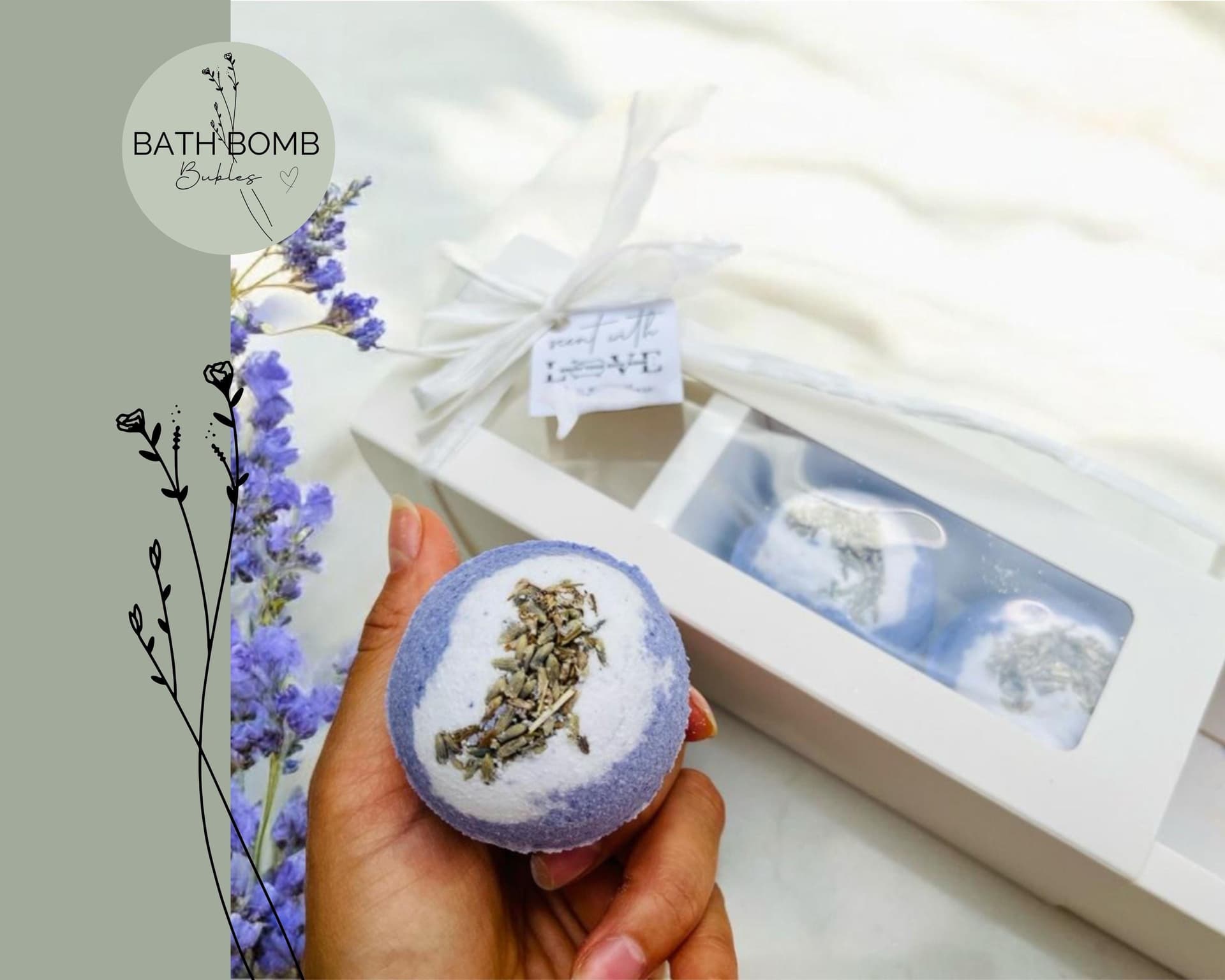
How the bath bomb category got its modern identity
Part of lavender’s dominance comes from the category itself, which has always been tied to a clear origin story. Lush says Mo Constantine invented the bath bomb in 1989 in a garden shed in Dorset, then received a bath-bomb trademark on April 27, 1990. That timeline matters because it shows how quickly a fragrance-led self-care format moved from DIY invention to a mass-market staple.
The modern bath bomb is still built on that same idea: a simple product with a big sensory payoff. Once the format became recognizable, scent became the main way brands could differentiate without losing the instant appeal of the original concept. Lavender fit that shift perfectly because it already carried the language of relaxation, making it an easy bridge between handmade bath culture and mainstream retail.
Why the market keeps circling back to lavender
Market reporting helps explain why the scent keeps winning shelf space. Grand View Research reported that the U.S. bath bombs market accounted for around 85% of North American revenue in 2023, a strong sign that the category’s center of gravity is still broad and commercially durable. Broader bath-and-shower reporting also points to self-care and wellness as major demand drivers, which gives lavender even more runway because it sits directly inside that demand.
That is the real reason lavender remains the benchmark. It is not just a “safe” scent, and it is not only a wellness cliché. It is the rare bath bomb fragrance that satisfies multiple motives at once, from familiarity and gifting to relaxation and routine use, and it has the aromatherapy evidence to match the story customers already believe. In a market full of novelty launches, lavender keeps winning because it still does the hardest job in the aisle: it makes the purchase feel obvious.
This article was produced by Prism’s automated news system from verified source data, official records, and press releases, then run through automated quality and moderation checks before publishing. The system is built and supervised by the people who set the standards it runs under. Read our full AI policy.
Know something we missed? Have a correction or additional information?
Submit a Tip

