Made Natural targets romance shoppers with sultry Madly in Love bath bomb
Made Natural is selling a mood, not just a soak, with Madly in Love aimed at date nights, anniversaries, and Valentine’s baskets. Romance bath bombs win when the packaging, scent, and story feel gift-ready.

Mood is the product
Made Natural’s Madly in Love bath bomb is built around a simple retail truth: romance sells when it feels like an occasion, not just a fragrance. Shoppers buying for a date night, anniversary, bridal event, or last-minute Valentine’s gift are not browsing for another generic spa soak. They want something that feels deliberate, emotional, and easy to hand over as a present.
That is why the romance lane keeps outperforming broader self-care framing. A bath bomb that signals “special night” has a clearer job than one pitched as a calming treat, and that clarity gives makers a stronger path to pricing, bundling, and repeat seasonal sales. In this category, the most valuable thing is not the scent alone, but the moment it helps create.
Why Madly in Love reads as a gift, not a generic bath bomb
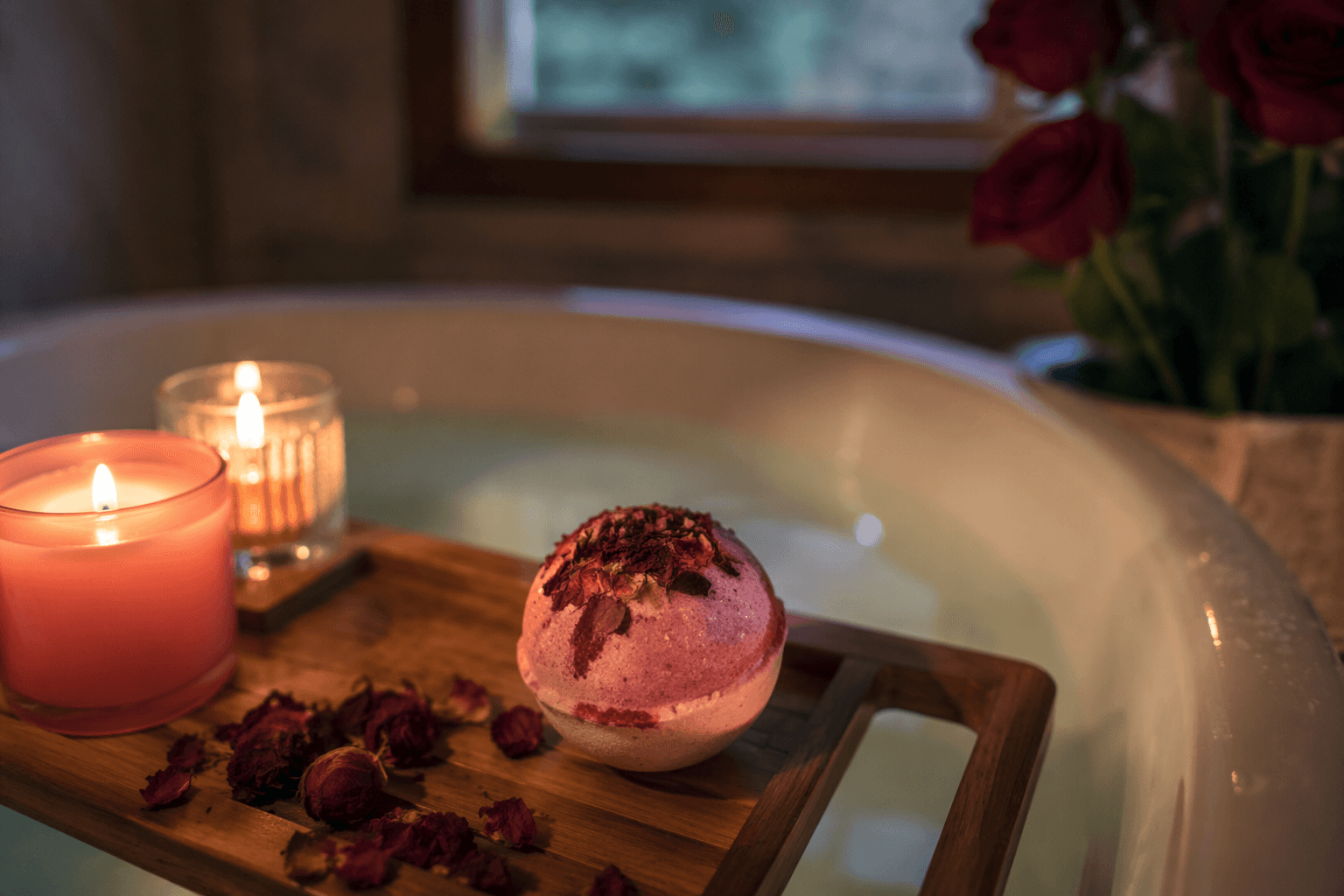
Made Natural positions Madly in Love as sultry and layered, not candy-sweet or spa-clone bland. The formula combines strawberry, blackcurrant, and sensual amber, then finishes with real Rosa Gallica rose petals so the water looks and feels intentionally romantic. That combination matters because it gives the product a clear emotional identity instead of a one-note fragrance profile.
The details also do practical work at shelf level. Strawberry and blackcurrant add a bright, recognizable top note, amber brings warmth, and the rose petals add visual payoff that shoppers can instantly read as gift-worthy. When a bath bomb looks as curated as it smells, it becomes easier to place in Valentine’s baskets, couples’ gifts, and bridal displays.
How makers can merchandise romance for higher-margin sales
Romance products tend to behave like premium goods because shoppers are buying sentiment as much as ingredients. When the item is tied to an anniversary, a date-night surprise, or a just-because gift, the purchase becomes less about comparing cents per ounce and more about choosing the item that feels right for the moment. That gives makers and retailers more room to charge for presentation, story, and packaging.
The smartest merchandising move is to match the fragrance, color payoff, and wrapper to the emotional job. A romance bomb should look polished on a shelf, read clearly in a gift set, and signal its purpose before the customer even opens the box. Made Natural’s approach shows how one scent profile can be turned into a reliable sales driver when the entire product is designed around a specific occasion.
- Date-night gifting
- Anniversaries
- Valentine’s baskets
- Bridal shower favors
- Surprise couple gifts
A practical romance assortment can be built around short, unmistakable uses:
That sort of framing also helps keep romance sales moving outside February. The demand does not vanish after Valentine’s Day, because anniversaries, weddings, bridal events, and spontaneous gifts keep the category alive all year.
The numbers behind the romance lane
The commercial logic is backed by a healthy bath bomb market. One estimate puts the global category at USD 1.38 billion in 2024 and forecasts growth to USD 2.49 billion by 2034. Another major report valued the market at USD 1,859.7 million in 2023 and projected it to reach USD 2,837.8 million by 2030.
North America is part of that growth story too, with one forecast placing the regional bath bomb market at about USD 749.2 million by 2030. Those figures help explain why subcategories with emotional specificity matter so much. In a market that large, a romance bomb does not need to win every shopper. It only needs to own the buyers who are already shopping for a gesture.
Valentine’s Day spending reinforces the same point. The National Retail Federation said U.S. consumers were expected to spend a record USD 27.5 billion on Valentine’s Day in 2025, up from USD 25.8 billion the year before and slightly above the prior record of USD 27.4 billion set in 2020. The NRF also said average Valentine’s Day spending per person was expected to hit USD 188.81, which shows how much room there is for giftable bath products to capture a slice of that occasion-led spend.

From a garden shed to a global gift category
The bath bomb itself is not a novelty without history. Lush says co-founder Mo Constantine invented the first bath bomb in 1989 in her garden shed, and the company originally called the first versions Aqua Sizzlers. Since then, Lush says it has created more than 500 bath bomb designs and sold more than 350 million bath bombs globally.
That history matters because it shows how quickly a simple bath product can evolve into a broad commercial category. Romance bath bombs are part of the next layer of that evolution: a more targeted offshoot that borrows the original idea of fizz and color, then narrows the message to gifting and mood. The category has gone from novelty to brand language, and now to occasion-specific merchandising.
Why roses still signal romance so effectively
Made Natural’s use of real Rosa Gallica rose petals taps into one of the clearest symbols in gifting. Red roses are widely associated with love and romance, so rose-petal bath bombs already come with a built-in shorthand that shoppers understand immediately. That makes them an easy fit for Valentine’s Day, wedding favors, bridal shower gifts, and gifts for couples.
The floral cue does more than decorate the water. It tells the buyer the product is meant to be seen, given, and remembered, which is exactly what separates a mood product from an everyday bath accessory. When rose symbolism, layered fragrance, and gift-ready presentation work together, the bath bomb stops being a simple soak and starts acting like a romantic gesture in a box.
Made Natural’s Madly in Love bath bomb lands in that sweet spot. It sells the occasion first, the fragrance second, and the bath itself as the payoff, which is exactly why romance bath bombs keep finding buyers who want the moment as much as the product.
This article was produced by Prism’s automated news system from verified source data, official records, and press releases, then run through automated quality and moderation checks before publishing. The system is built and supervised by the people who set the standards it runs under. Read our full AI policy.
Know something we missed? Have a correction or additional information?
Submit a Tip