Bath bomb stains rise as colourful soaks damage tubs and trays
Bright bath bombs are leaving stains that can cost £300 to £600 to fix, with Heat and Plumb seeing complaints jump 20 percent. Acrylic tubs and textured trays are taking the worst of it.
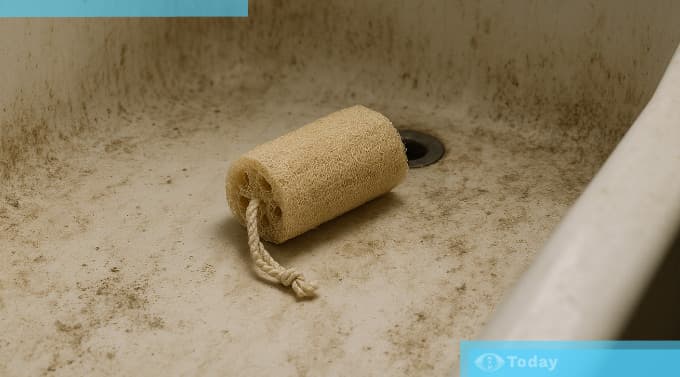
The bath bomb business has a messier downside than most shoppers expect: colourful soaks are staining tubs, shower trays and anti-slip surfaces, and the repair bill can be steep. Heat and Plumb said complaints tied to bath bomb staining rose 20 percent over the past year, and replacing a stained shower tray can cost homeowners between £300 and £600.
The biggest risk sits with synthetic dyes, especially on acrylic. Ant Langston said acrylic absorbs colour quickly, while textured anti-slip surfaces are even more vulnerable because pigment can settle into grooves that are hard to clean out once the water drains. In practice, that means the prettiest bath bomb can become the one that leaves the most lasting mark if the finish on the tub is porous or patterned.
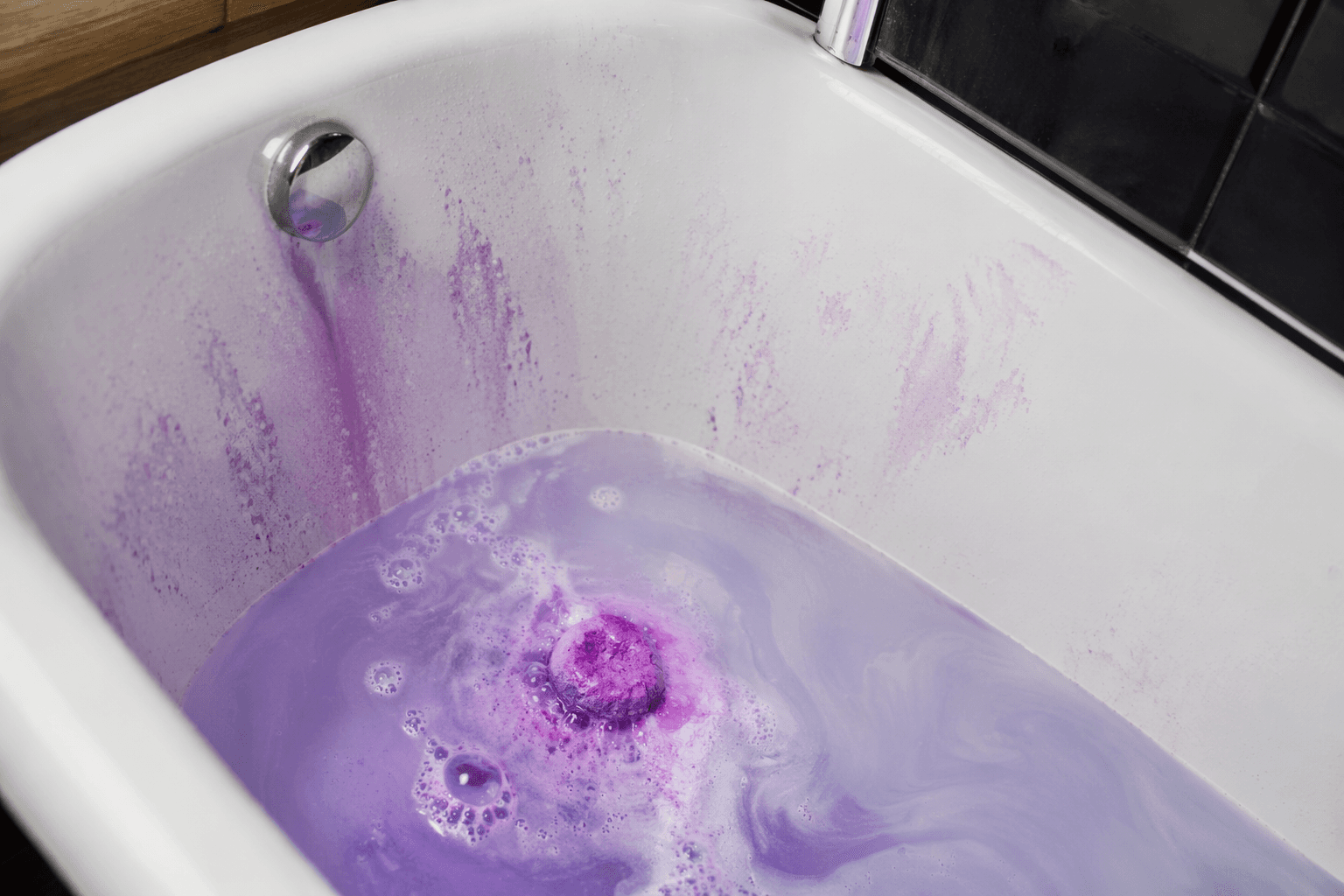
The practical fix is fast rinsing. Heat and Plumb’s advice was to rinse the tub within about 90 seconds of draining so the colour does not have time to set. For bathroom upgrades, the company pointed buyers toward stone resin or enamel, which it said are less porous than acrylic and better able to stand up to repeated use from vivid bath products.
That warning lands in a category that has long sold on spectacle. Lush says co-founder Mo Constantine invented the first bath bomb in 1989, and the brand is marking 30 years of bath bomb sales. Its bath bombs start with sodium bicarbonate and citric acid, then add colours and other ingredients built for fragrance, vivid effects and bath art. That visual punch helped push bath bombs from a niche indulgence into a mainstream bathroom staple, but it also raises the odds of residue on the wrong surface.

The market numbers show the category is still very much alive. Grand View Research estimated the global bath bomb market at USD 1,859.7 million in 2023 and projected it to reach USD 2,837.8 million by 2030. The Business Research Company put the market at about USD 1.71 billion in 2025 and expected it to reach USD 1.86 billion in 2026. In the UK, Mintel said wellness and skin-health trends continued to support bath and shower products in 2025, especially beauty-led and sensitive-skin offerings.
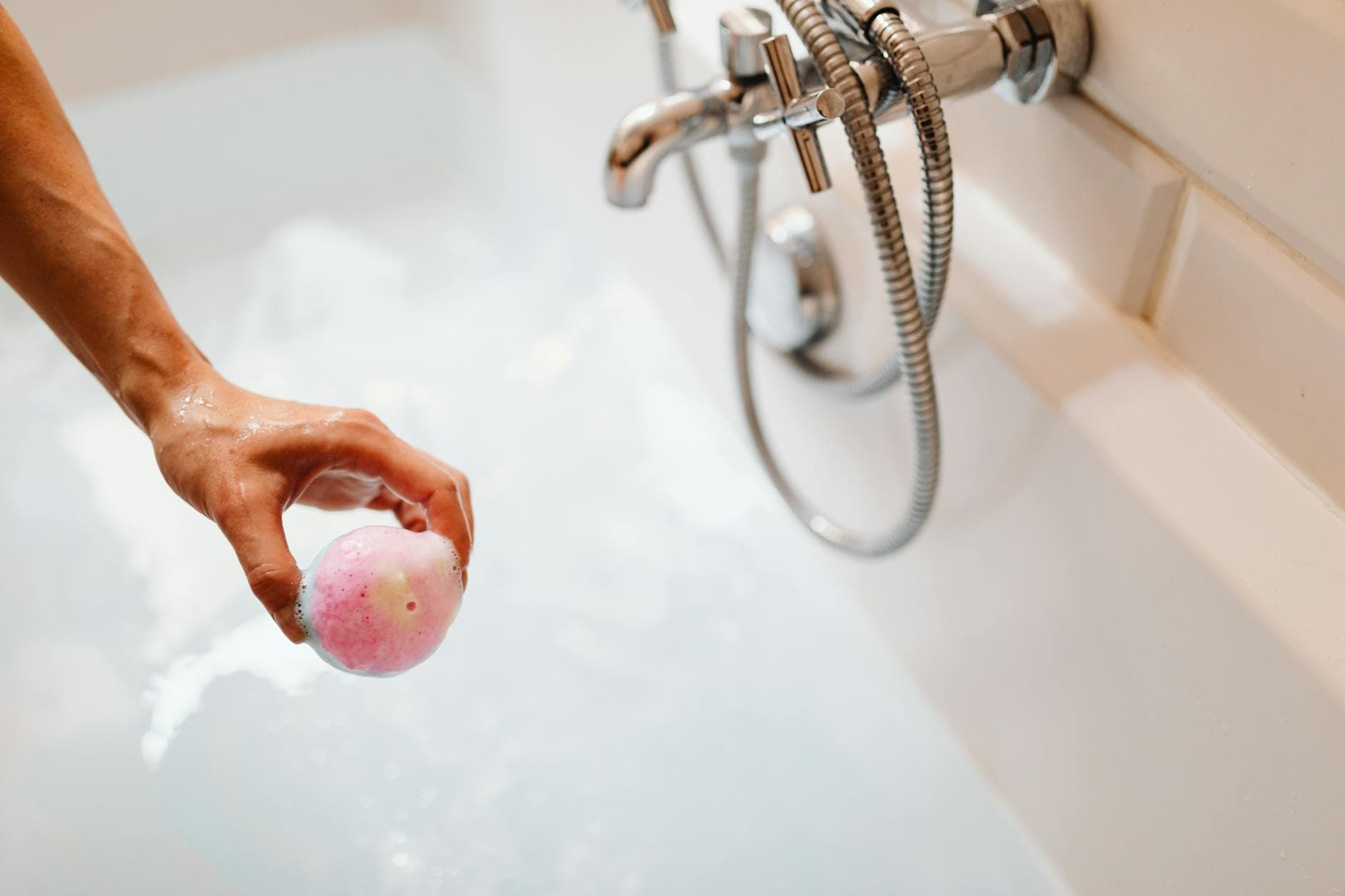
For makers, the stain problem is now part of the pitch. Safer formulas, clearer dye labelling and more honest surface warnings can become selling points, not afterthoughts. For buyers, the choice is less about whether bath bombs fizz well than whether that bright soak is worth a permanent mark on an acrylic tub or a pricey tray replacement.
This article was produced by Prism’s automated news system from verified source data, official records, and press releases, then run through automated quality and moderation checks before publishing. The system is built and supervised by the people who set the standards it runs under. Read our full AI policy.
Did this article answer your question?