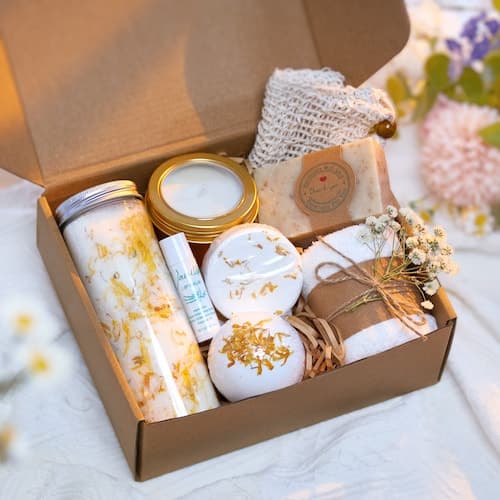
Bath bombs for sensitive skin, gentler ingredients ease post-bath sting
The fix for a stinging soak is usually simpler than the marketing: quieter scent, gentler oils, oat-based formulas, and lukewarm water.

That post-bath sting is the giveaway. A soak that starts like self-care and ends with redness, itchiness, tightness, flaking, or a prickly after-feel usually means the formula, the water temperature, or both were too much for reactive skin. Bath Box gets that point right: sensitive skin does not have to mean skipping bath bombs, but it does mean choosing ingredients with a lighter touch and keeping the water warm instead of steamy.
What to look for in the formula
The best bath bombs for sensitive skin do not try to win by doing the most. They work because the ingredient list is calm, short, and purposeful. Oat-based ingredients are a strong sign, because oats are commonly used to make a soak feel more comforting. Magnesium salts can also support a soothing bath, while gentle oils help soften skin without turning the tub into an overly perfumed slick.
Aloe vera and coconut milk-style ingredients are worth noting too, especially if you want a creamier, less stripped-down feel. Bath Box also points out that finely milled soaks or bath dust can dissolve more evenly than chunkier products, which matters if your skin hates residue or rough texture. That detail sounds small until you have been left with gritty bits clinging to irritated skin.
The real red flag is heavy fragrance. Strong perfume is one of the most common ways a bath product turns from pleasant to punishing, especially when the skin is already sensitive. If the scent is loud enough to fill the room before the package is even opened, that is not automatically a deal-breaker, but it is a warning that the formula may be built more around aroma than skin comfort.
The label clues that save you from a bad purchase
Sensitive-skin shopping gets easier once you stop trusting the front of the box and start reading for specifics. “Gentle” and “soothing” are marketing words, not guarantees. The U.S. Food and Drug Administration regulates cosmetic labeling under the FD&C Act and the Fair Packaging and Labeling Act, while the Federal Trade Commission says advertising claims have to be truthful, not deceptive, and supported by evidence. In practice, that means the ingredient list usually tells you more than the packaging ever will.
Look for products that clearly avoid obvious irritants where possible:
- Strong added fragrance
- Heavy dye load
- Vague botanical blends with no clue how much is actually in the formula
- Chunky, scratchy textures that leave residue behind
- Overpacked claims that sound soothing but do not name the soothing ingredient
If a bath bomb is marketed for sensitive skin but still leads with color effects, glitter, or a perfume-style scent profile, that is usually a clue that the product is designed to impress first and calm second. For a reactive bather, that is the wrong order.
How to bathe so the product has a chance to work
Even a decent bath bomb can feel harsh if the bath itself is too aggressive. The National Eczema Association recommends lukewarm water, not hot water, fragrance-free and dye-free gentle cleansers, no rubbing or scrubbing with washcloths or loofahs, and moisturizer applied while skin is still moist. That advice lines up neatly with what sensitive-skin bath bombs are trying to do: reduce the amount of stress the skin has to absorb.
Soak first, then treat the skin gently after. A bath bomb is not a free pass to turn the tub into a steam room or to scrub away at every inch of skin afterward. If your skin already tends to flare, the simplest routine is often the one that holds up best: moderate water, short soak, soft towel pat, moisturizer while the skin is still damp.
Why fragrance deserves so much suspicion
Fragrance is not just a styling choice in bath products. The American Academy of Dermatology says it is one of the most common causes of contact dermatitis, and Mayo Clinic notes that cosmetics, fragrances, lotions, and detergents can all trigger itchy rashes that may show up within days of exposure. That delayed reaction is what makes fragrance so annoying to diagnose. You can finish a bath feeling fine, then wake up itchy and spend the next two days trying to figure out which product did it.
That is also why “fragrance-free” matters more than “lightly scented” for some people. If your skin is truly reactive, a lower scent level can still be enough to tip it over. The safest bet is usually the least flashy one.
Why the sensitive-skin aisle keeps getting bigger
This is not a niche concern. CDC data released in January 2026 showed that 31.7% of U.S. adults had a diagnosed seasonal allergy, eczema, or food allergy in 2024, and 7.7% of adults had diagnosed eczema. Among children, 12.7% had diagnosed eczema, and CDC says eczema-related emergency department visits numbered 229,000 in 2019. That is a lot of people with skin that reacts quickly and complains loudly.
The market is responding. Grand View Research estimated the global bath bomb market at USD 1.8597 billion in 2023 and projects it to reach USD 2.8378 billion by 2030. It also sees North America reaching USD 749.2 million by 2030. Millennials and Gen Z are helping drive that growth through self-care habits and social-media-friendly product design, but the conversation is shifting away from novelty alone and toward ingredient transparency and compatibility.
How to shop smarter when your skin is fussy
A few rules keep the guessing game manageable:
- Favor oat, magnesium, aloe, and gentle oil-based formulas
- Choose finely milled soaks if residue bothers you
- Be skeptical of strong perfume and heavy color
- Treat “gentle” as a claim that needs proof, not a promise
- Use the National Eczema Association’s Seal of Acceptance directory when you want a more medically grounded filter
The regulatory backdrop matters too. In the European Union, Commission Regulation (EU) 2023/1545 tightened fragrance allergen labeling rules, and the European Commission says 26 fragrance allergens now require individual labeling. That kind of detail is exactly what sensitive-skin shoppers need, because it pushes the category toward clearer ingredient disclosure instead of vague wellness language.
The bath that stings does not mean bath bombs are off-limits. It just means the winning formula is usually the quiet one: less fragrance, more straightforward ingredients, cooler water, and a product that feels like relief the moment it hits the tub.
This article was produced by Prism’s automated news system from verified source data, official records, and press releases, then run through automated quality and moderation checks before publishing. The system is built and supervised by the people who set the standards it runs under. Read our full AI policy.
Did this article answer your question?