C.H. Booth Library offers beginner bath bomb workshop for teens and adults
A library workshop turns bath bombs into a beginner craft with real chemistry, simple ingredients, and take-home value for teens and adults.
A low-cost way into a trendy self-care craft
C.H. Booth Library is turning bath bombs into a hands-on entry point for beginners, and that is exactly why the workshop stands out. Instead of treating the fizzy cubes as a boutique beauty buy, the library is using them to teach a practical craft with simple ingredients, a little chemistry, and a finished product that feels useful the moment it leaves the makerspace.
The Intro to Bath Bomb Making session is open to teens in grades 9 through 12 and adults, which gives older beginners a place to learn without feeling boxed into a children’s craft program. It is scheduled for Friday, May 1, 2026, from 10:00 AM to 12:00 PM, in person at chbMAKERS’ Corner at C.H. Booth Library in Newtown, Connecticut. Registration is required, space is limited, and supplies are provided while they last, so the setup is clearly meant to keep the group small enough for real hands-on instruction.
What the class actually teaches
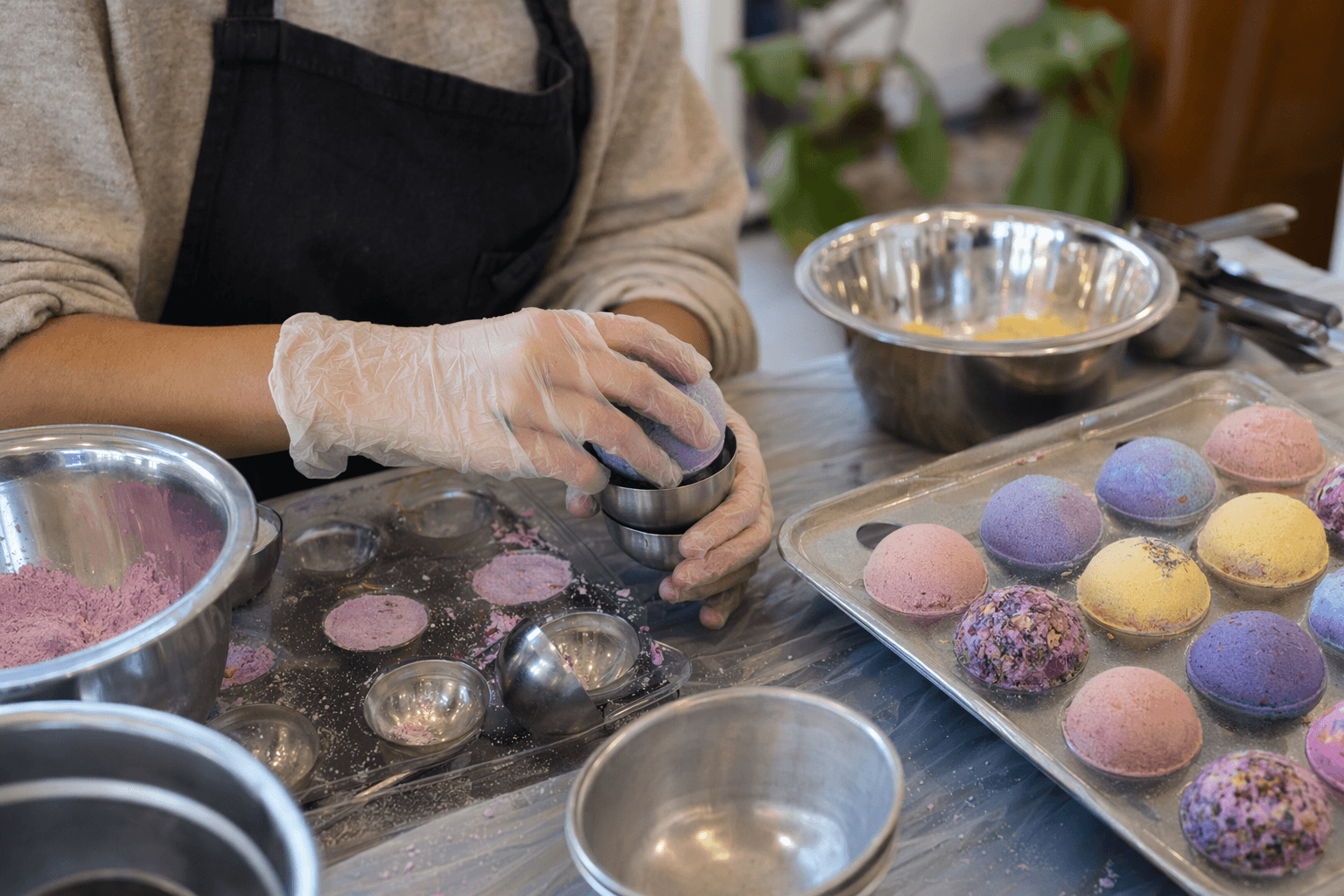
The strongest part of the workshop is its focus on bath bomb chemistry rather than just decoration. Participants will work with baking soda, citric acid, Epsom salt, and nourishing oils, then get room to personalize the final product with essential oils, color, and dried botanicals. That mix makes the class appealing to anyone who wants more than a novelty project: it offers a usable formula, room for creativity, and a finished craft that can be repeated at home.
That matters because bath bombs can be frustrating if the ratios are off or the mixture is packed too wet. A guided workshop helps avoid the most common beginner mistakes, like clumping, premature fizzing, or mixtures that crumble instead of holding their shape. Learning the basics in a library makerspace gives participants a chance to see the texture, smell, and consistency of the mix before they try a batch on their own.
- Baking soda and citric acid provide the fizzing reaction
- Epsom salt adds texture and a spa-like feel
- Nourishing oils help bind the mix and support the skin-care angle
- Essential oils, color, and dried botanicals let each bath bomb feel personal
Why the fizz works
Bath bombs are a great beginner project because the science is visible immediately. Science Buddies explains that the fizz comes from an acid-base reaction between baking soda and citric acid, which releases carbon dioxide gas in water. That reaction is what creates the bubbles and makes a bath bomb feel active the moment it hits the tub.
That chemistry hook is one reason the craft keeps showing up in community workshops. It is simple enough to explain in a short class, but it still gives participants a real sense of how ingredients behave together. For first-timers, that is a useful lesson that goes beyond one project and makes other bath and body crafts feel less intimidating.
Why a library is a natural place for bath bomb making
The workshop also fits a broader library makerspace trend. The American Library Association describes makerspaces as places where users create, innovate, collaborate, and share resources that can be too expensive for one person to buy just for occasional use. Public libraries have leaned into that model to promote community engagement, and C.H. Booth Library’s chbMAKERS’ Corner is part of that shift.
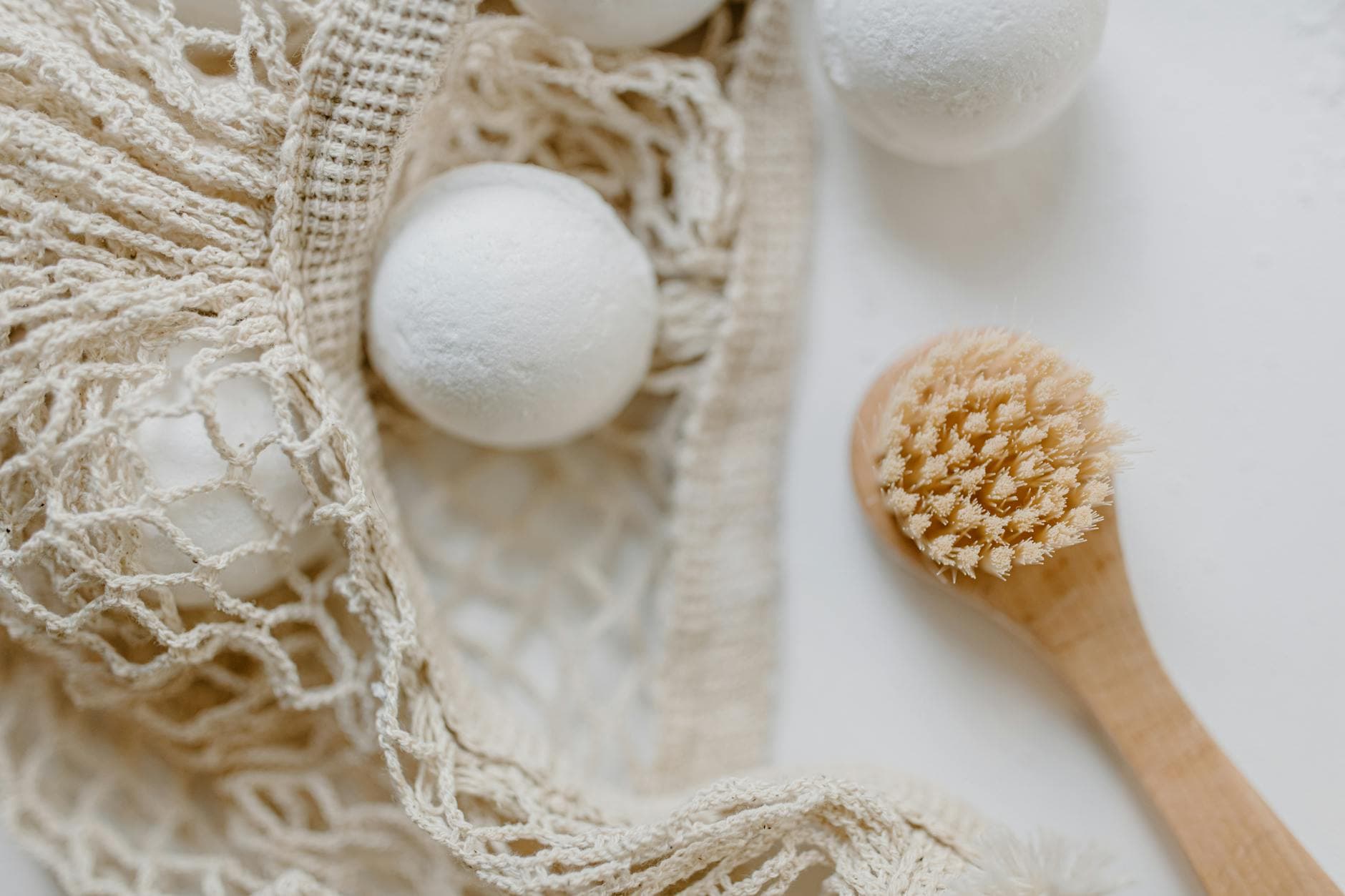
That makes bath bombs a smart fit for the format. A person can try the craft without buying a full starter kit, a scale of ingredients, or a pile of specialty supplies first. It lowers the barrier to entry, which is exactly what a good makerspace is supposed to do: make experimentation feel accessible instead of costly or complicated.
C.H. Booth Library has also positioned chbMAKERS’ Corner as part of a broader menu of services for children, teens, adults, and seniors, which shows that the space is not just for one age group or one type of project. A workshop like this fits that mission neatly because it blends practical skill-building with a finished item participants can take home and use.
A craft with more momentum than it looks
Bath bombs are not just a one-off DIY fad. Lush Cosmetics says co-founder Mo Constantine invented the bath bomb in 1989, and the product has since grown into a fixture of the bath-and-body aisle. That history gives the workshop a little extra weight: participants are learning a craft with a real origin story, not just a trendy internet project.
The market around bath products also helps explain why the class feels timely. Grand View Research projects the global bath bomb market will reach USD 2.84 billion by 2030, with a 6.5% compound annual growth rate from 2024 to 2030. The same research points to Millennials and Gen Z as major drivers, fueled by self-care and wellness routines, while Forbes has linked the broader bath revival to the wellness movement and the home-as-sanctuary trend.
That larger context matters for a local workshop in Newtown. What looks like a simple craft class is actually tapping into a bigger shift in how people approach leisure, self-care, and making. Instead of buying a ready-made bath bomb and moving on, participants get to understand how one is built and tailor it to their own preferences.
What makes this workshop especially useful
The most practical part of the event is its focus on beginner confidence. A lot of hobby classes look fun but leave people without a way to keep going at home. This one is different because the ingredient list is approachable, the chemistry is straightforward, and the outcome is small-scale enough to repeat without major expense.
That is where libraries have become unexpectedly valuable as hobby hubs. They are not only lending books or hosting talks, they are giving people a place to test a craft before committing to it. For teens looking for a skill-based activity, adults looking for a low-pressure creative outlet, or families trying to find a manageable project, an intro bath bomb workshop offers a concrete starting point with clear takeaways.
The C.H. Booth Library session reflects a larger idea that keeps showing up in community programming: the best hobby classes do not just entertain, they teach something usable. In this case, that means learning how a bath bomb works, how to balance the ingredients, and how to leave with a finished product that feels polished rather than experimental.
This article was produced by Prism’s automated news system from verified source data, official records, and press releases, then run through automated quality and moderation checks before publishing. The system is built and supervised by the people who set the standards it runs under. Read our full AI policy.
Did this article answer your question?