Mo Constantine invented the modern bath bomb, and why it matters
Mo Constantine’s 1989 shed experiment turned baking soda, citric acid and oil into a modern bath staple, and the payoff still drives today’s DIY and Lush culture.

Sodium bicarbonate and citric acid are the heart of the modern bath bomb, but the real breakthrough was simpler than the sparkle: Mo Constantine built a cleaner way to soak. She took the messy promise of bath salts and oils, then turned it into a dry, fizzy puck that could scent the water, soften it, and turn bath time into a multi-sensory ritual.
The original idea was a fix, not a fad
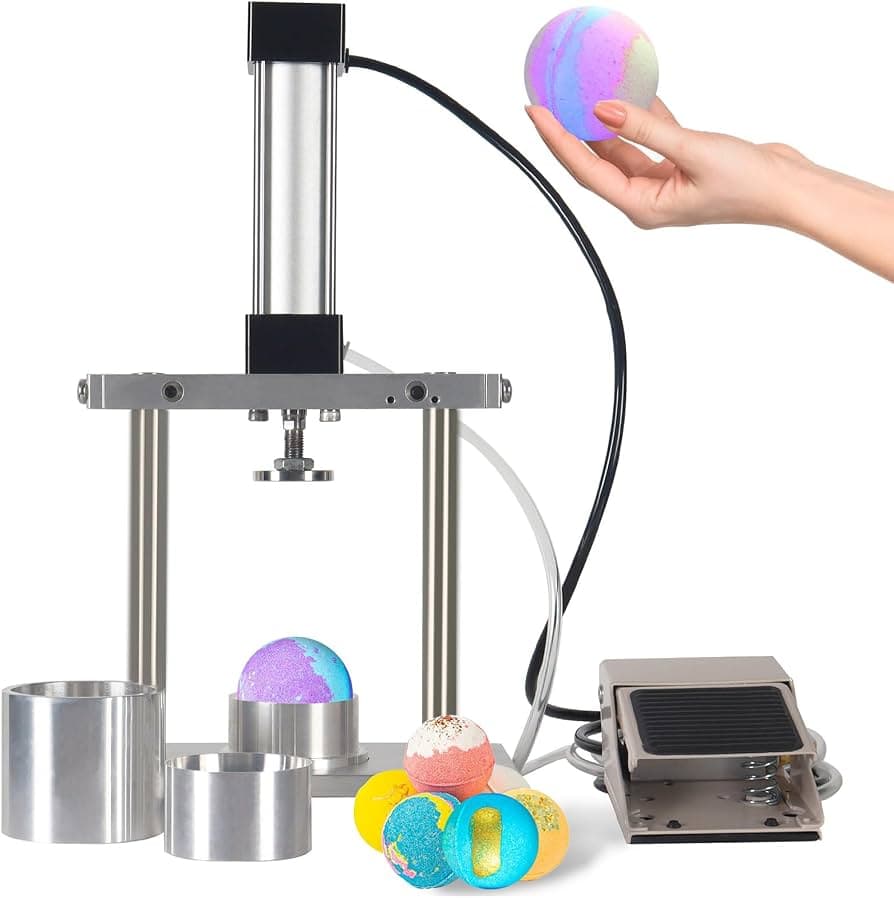
Bath bombs did not start as an aesthetic gimmick. They began as a product-design answer to a practical problem, how to deliver the benefits of salts and oils without leaving the tub gritty or slippery. In 1989, Mo Constantine made the first bath bomb in a garden shed in Dorset, England, pressing together citric acid, sodium bicarbonate and essential oils into a small press.
That origin still matters because it explains why bath bombs work so well for home makers and indie brands today. The formula is dry, shelf-friendly, and easy to customize, which makes it ideal for small-batch production. It also explains the basic experience you still expect from a good bath bomb: fizz in the water, fragrance in the air, and skin-conditioning ingredients working all at once.
Why the first version changed the category
Mo Constantine’s invention was not just a new product, it was a new form factor. Instead of pouring oils or salts directly into the bath, she created a solid that could dissolve on contact and release its payload in one go. Lush says she made it for her own sensitive skin, and that it was also designed to be safe and effective for calming her young children, which gives the bath bomb a family-and-health purpose that gets lost when people reduce it to color and glitter.
The chemistry is the point of the product. Baking soda and citric acid create the fizz, while the fragrance and conditioning ingredients carry the sensory payoff. That makes the bath bomb one of the clearest examples of a craft item where the fun is inseparable from the function. You are not just making something pretty, you are shaping how it dissolves, how it smells, and how it feels in the tub.
What people get wrong about bath bomb history
One common assumption is that bath bombs were always part of the spa-and-self-care scene. They were not. They began as a response to a real bathing problem, then grew into a category because the format was so adaptable. Another mistake is to assume the modern bath bomb was simply a cosmetic trend that arrived fully formed. Lush’s history shows the opposite: the company first received a trademark for bath bombs on April 27, 1990, just a year after Mo made the first one, which shows how quickly the idea was recognized as distinct.
It is also wrong to think bath bombs are only about fragrance. From the start, they were built to be multi-sensory, meant to please the eyes, nose and skin together. That is why the category has lasted. A bath bomb is not just an additive, it is an experience that turns plain water into something theatrical without requiring a complicated routine.
How Lush turned one invention into a signature product
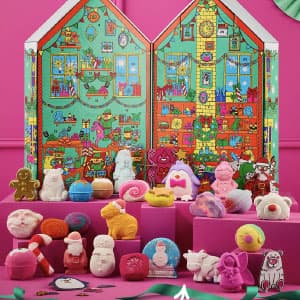
Bath bombs became far bigger than a single shed experiment. Lush says it has created more than 500 bath bomb designs and sold more than 350 million bath bombs globally. The company has also said that one bath bomb is sold every 1.5 seconds, a figure that shows just how deeply the format has taken hold in mainstream self-care.
That scale matters for hobby makers because it proves the category is still open to reinvention. Lush says Mo and Mark Constantine experimented with different shapes, sizes and colors, even buying jelly moulds on the high street to test new forms. That willingness to tinker is part of why bath bombs expanded from a single idea into a wider world of fizzers and foamers. If you make bath products at home, that is the real lesson: the basic chemistry stays the same, but the shape, color, and release pattern can change everything.
Bath art and the visual reinvention of the bomb
Bath art later pushed the original concept into something more performative. Instead of just watching a bomb dissolve, fans began treating the tub like a canvas, with color trails, layered effects and dramatic reveals built into the drop itself. That visual reinvention kept the category fresh and helped bath bombs stay relevant in a crowded self-care market.
For today’s bath bomb world, that shift matters because it opened the door for video-friendly launches, indie maker experimentation, and the kind of shareable reveal that performs well online. A bath bomb that looks good in motion can travel farther than one that only smells nice in the water. That is a big part of why the category keeps spreading beyond Lush and into home craft, gift sets, and limited-edition drops.
Why the history still matters now
Bath bombs are part of Lush’s founding story for a reason. Cosmetics Business says Lush was launched in 1995 by six co-founders, Mo Constantine, Mark Constantine, Rowena Bird, Helen Ambrosen, Liz Bennett and Paul Greeves, after the collapse of their earlier mail-order business, Cosmetics To Go. That background helps explain why the bath bomb is more than a cute product invention. It is a symbol of product experimentation surviving business failure, then becoming one of the company’s defining successes.
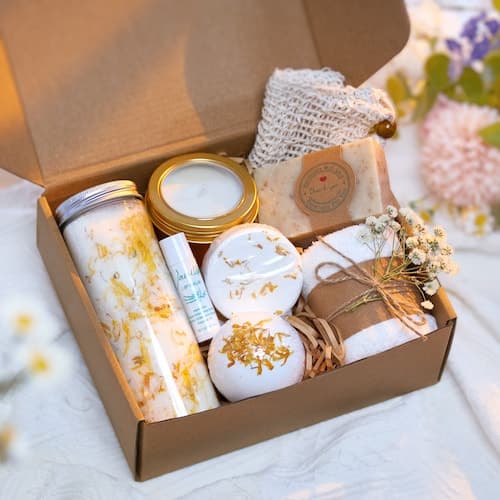
For readers who make, buy, or collect bath bombs, the origin story is useful because it points to what still works: simple ingredients, a clean dry format, and a strong sensory payoff. The modern bath bomb did not win because it was loud. It won because it solved a real problem beautifully, and the best versions today still do the same thing.
This article was produced by Prism’s automated news system from verified source data, official records, and press releases, then run through automated quality and moderation checks before publishing. The system is built and supervised by the people who set the standards it runs under. Read our full AI policy.
Did this article answer your question?