SALUS spotlights small-batch bath bombs with clean ingredients and craft focus
SALUS is arguing that premium bath bombs should feel engineered, not just pretty, with daily handcrafting, clean ingredients, and guild-backed standards.

What SALUS is really claiming about “best quality”
SALUS is making a clear case that bath-bomb quality should be judged the same way many makers already judge a good soap batter or a well-behaved fragrance blend: by ingredient transparency, production discipline, and consistency from batch to batch. Its brand message leans hard on small-batch credibility, with handcrafted production in Fort Collins, Colorado since 2004 and a promise that each bomb is handcrafted fresh daily.
That matters because bath bomb buyers do not just want color and fizz. They want to know what is actually in the tub, how it performs, and whether the brand can back up premium language with real manufacturing habits. SALUS is trying to turn those expectations into a selling point, not a side note.
The ingredient story that premium shoppers look for
The brand’s core formulation is built around citric acid, organic shea butter, cocoa butter, and Colorado-grown, non-GMO sunflower oil. That mix gives shoppers a straightforward quality read: citric acid delivers the fizz, while the butters are positioned to moisturize and soften skin. For ingredient-conscious buyers, that kind of benefit-first explanation is more persuasive than vague luxury language.
SALUS also frames its bombs as clean-ingredient products that exclude synthetic dyes, sulfates, parabens, artificial colorants, gluten, and other additives that can worry cautious shoppers. The brand says its bath bombs are vegan and Non-GMO certified, which reinforces the same message from another angle. In a crowded category, that kind of transparency is often what separates a premium claim from a generic one.
A practical way to judge any bath bomb brand is to ask whether the ingredient list does actual work. Citric acid and sodium bicarbonate are the chemistry backbone, and butters or oils should serve a visible skin-feel purpose. If the pitch leans on glittery adjectives but skips the formulation logic, the premium label is doing more work than the ingredients.
Why the Fort Collins production detail matters
SALUS does not present itself as a faceless bath product label. Its own pages describe the company as handcrafted in Colorado since 2004, and its product pages say the bath bombs are made fresh daily in Fort Collins. The Downtown Fort Collins business directory lists the company at 240 Walnut Street, Fort Collins, Colorado, which gives the brand a concrete local footprint rather than an abstract online-only identity.
That local detail is important for hobby makers and serious buyers alike because “small-batch” is only meaningful when it is tied to a real production setup. Daily handcrafting suggests tighter attention to freshness, texture, scent balance, and packaging flow. It also gives the brand a stronger story around traceability, which is increasingly part of how premium bath and body products are evaluated.
The manufacturing credibility test
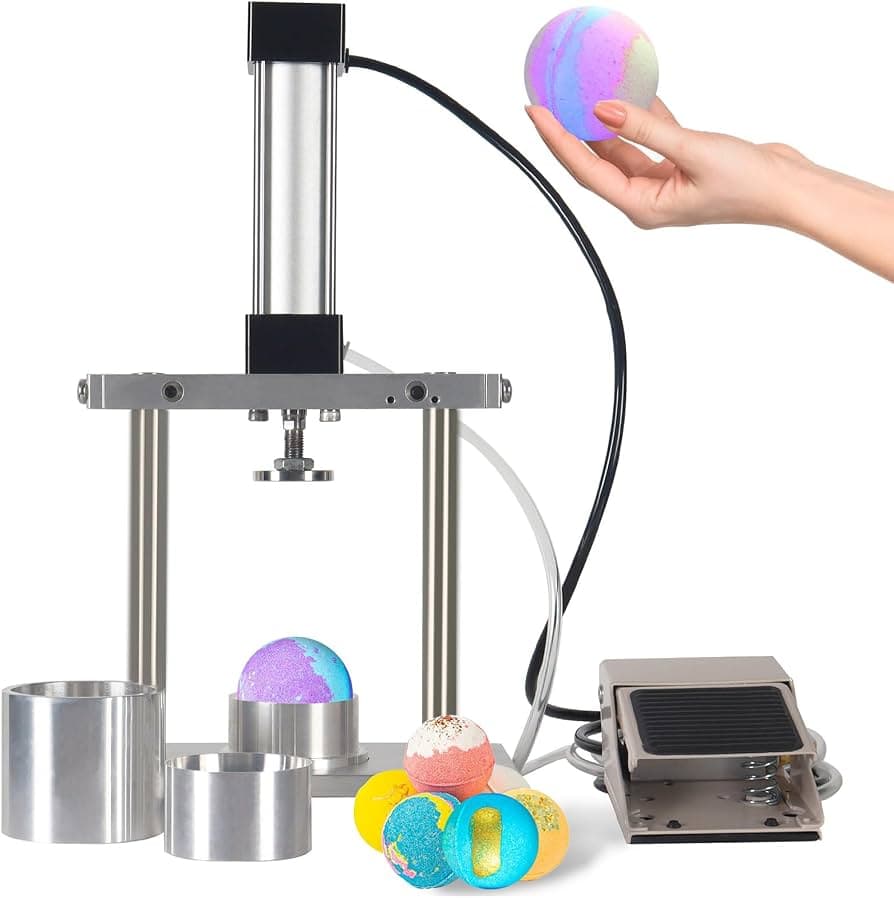
One of the strongest parts of SALUS’s pitch is that it connects bath bombs to actual manufacturing methods instead of treating them like simple gift items. The company points to founder Jerell Klaver, membership in the Handcrafted Soap and Cosmetic Guild, and early innovation in pneumatic bath bomb press technology. That combination signals that the brand is trying to be seen as technically minded, not just aesthetically polished.
The guild angle helps because the Handcrafted Soap and Cosmetic Guild describes itself as a nonprofit trade association for small businesses handcrafting soaps, cosmetics, and candles. It also says its certification program is meant to promote the highest professional standards and serve as an industry-wide standard of excellence. For readers comparing claims, that is a useful marker: a brand that cites professional standards is inviting scrutiny on process, not just packaging.
If you are evaluating a premium bath bomb brand, this is the checklist that matters:
- Does the company name the key functional ingredients?
- Does it explain what each one does?
- Does it identify where the product is made?
- Does it show evidence of repeatable production, not one-off handmade vibes?
- Does it connect the product to a professional standard or trade body?
If the answer is yes across several of those points, the quality claim is usually more than marketing gloss.
Why bath bombs still reward chemistry, not just branding
Bath bombs are not a novelty invention that appeared overnight. Historical sources trace bath bomb-like effervescent tablets back to the late 19th century, when perfumer Moyses Jacobs developed bicarbonate-and-citric-acid tablets using the same basic chemistry shoppers still expect today. The fizz comes from an acid-base reaction between citric acid and sodium bicarbonate, which releases carbon dioxide.
That chemistry matters because it sets a simple standard for quality. A good bath bomb should dissolve in a controlled way, release fragrance evenly, and avoid turning the bath into a crumbly mess before the fizz starts. When a brand understands the chemistry well enough to talk about it plainly, it usually has a better chance of delivering a consistent product.
Why the market keeps rewarding clean, premium positioning
Bath bombs have become a real personal-care category, not just a craft-fair side item. Recent industry reports put the global market at roughly $1.3 billion to $1.9 billion in the mid-2020s, with forecasts climbing above $2.5 billion and, in some cases, past $3 billion by the early 2030s. Much of that growth is tied to demand for natural, sustainable, and premium self-care products.
That market backdrop helps explain why SALUS’s message lands the way it does. In a category where shoppers are increasingly reading labels and comparing textures, scent load, and skin feel, a brand needs more than a luxury name and bright color. It needs a believable production story, recognizable ingredient logic, and a reason to trust that the bomb in the box was made with care from the start.
SALUS is betting that buyers will keep rewarding that discipline. For anyone trying to separate true premium manufacturing from generic luxury language, that is the real lesson: the strongest bath bombs do not just look elevated, they can explain exactly why they deserve the label.
This article was produced by Prism’s automated news system from verified source data, official records, and press releases, then run through automated quality and moderation checks before publishing. The system is built and supervised by the people who set the standards it runs under. Read our full AI policy.
Did this article answer your question?