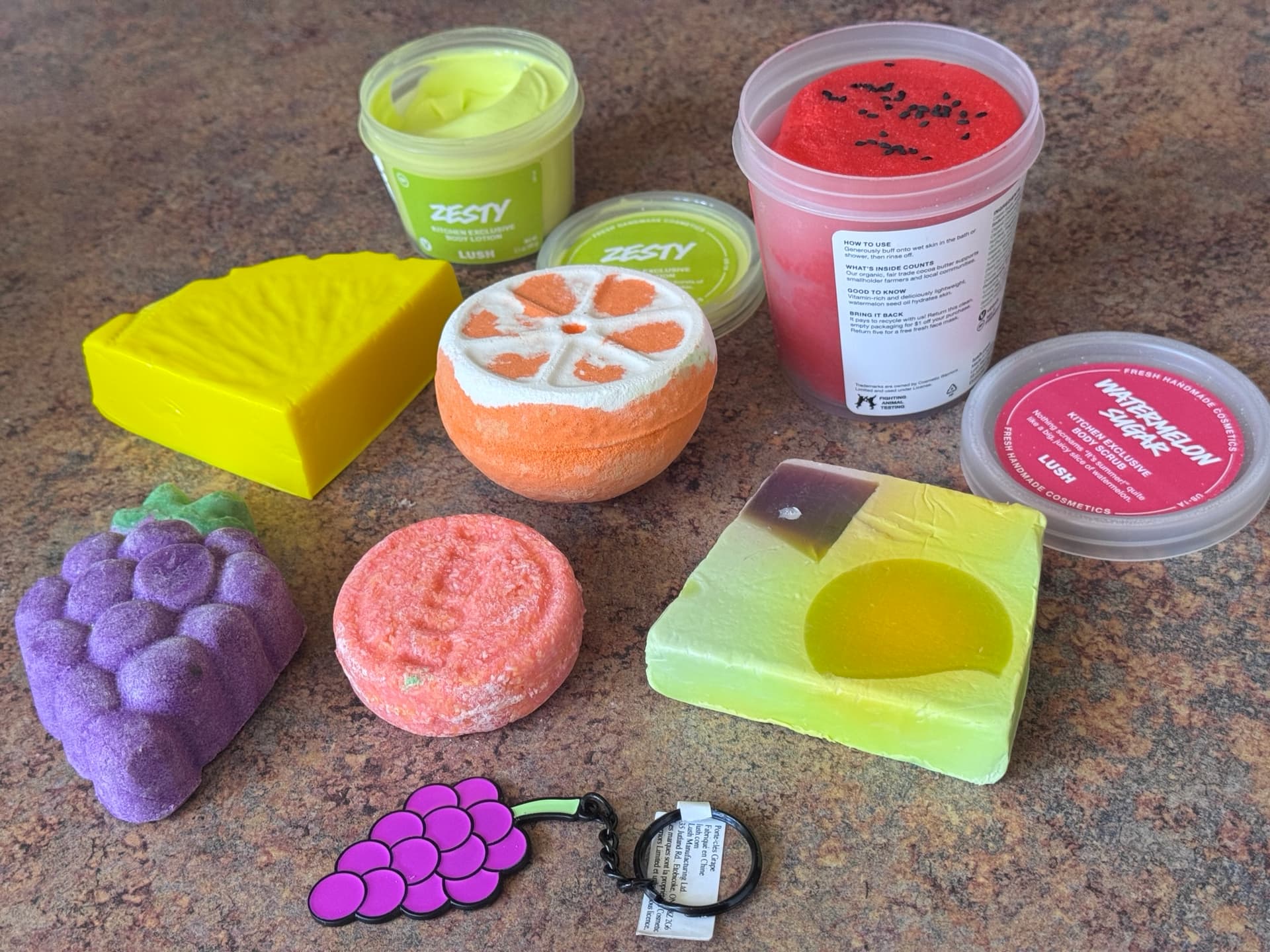
FDA labeling rules put bath bomb packaging under new scrutiny
Missing warnings, fuzzy claims, and hidden ingredient lists can now turn a bath bomb label into a misbranding risk fast.

A bath bomb can glitter, fizz, and look gift-ready, but the package now carries more legal weight than ever. If the label misses a warning, buries the ingredient list, or makes a claim the product cannot support, the whole item can become vulnerable to misbranding under FDA rules.
What the new scrutiny is really about
Labeling is a compliance checkpoint, not the last design step, Esko wrote in its June 25, 2026 guide. For bath-bomb brands that sell their products as cosmetics, the package has to do more than look polished. It has to support launch timing, import clearance, shelf life, and, if something goes wrong, whether the product can keep moving without a redesign.
Cosmetics sold in the United States, whether made domestically or imported, must comply with the Federal Food, Drug, and Cosmetic Act, the Fair Packaging and Labeling Act, and FDA regulations in 21 CFR parts 700 to 740. FDA defines cosmetics as articles intended to be applied to the human body for cleansing, beautifying, promoting attractiveness, or altering appearance without affecting structure or functions, and that definition is the line bath-bomb makers need to keep in view when they write labels and marketing copy.
The label details that matter most
The first tripwire is the ingredient panel. Retail cosmetics must list ingredients by their common or usual names, generally in descending order of predominance, on an information panel consumers can easily find. If the product is sold by mail order, the ingredient declaration still has to be readily visible through clear instructions that tell the buyer where to find it.
The second tripwire is the claim language. Cosmetic labeling claims must be truthful and not misleading, and if a product starts sounding like it is meant to treat disease or alter body structure or function, it becomes a drug under the law. That matters for bath bombs because the category often leans on scent, skin feel, mood, and spa-style language, which can drift from cosmetic description into claims that regulators treat very differently.
The third tripwire is warnings. Under 21 CFR part 740, if a cosmetic ingredient or product’s safety has not been adequately substantiated before marketing, it is misbranded unless it carries the required conspicuous warning statement on the principal display panel.
A simple example shows how fast this can go wrong. A colorful bath bomb sold as a cosmetic that promises to “relieve pain,” “treat eczema,” or “heal sore muscles” would be stepping into drug-claim territory. If the same product also uses a tiny ingredient list in decorative type that shoppers cannot easily find, the label can stack multiple problems at once.
Where bath bombs sit in the rules
Bath bombs are not all treated identically in the regulation text, but certain foaming bath products get a specific definition. Under 21 CFR 740.17, foaming detergent bath products are products intended to be added to a bath to produce foam and containing a surface-active agent serving as a detergent or foaming ingredient. That matters for bath bombs that are built around fizz, foam, and surfactant-heavy formulas, because the label has to match the product’s actual composition and intended use.
A label that centers glitter, color, and scent without clearly stating identity, quantity, ingredients, and any needed warnings can leave a product looking like a gift item while the law treats it as a regulated cosmetic.
Checklist: the packaging fixes that matter now
- Make the product identity unmistakable on the label, so the package clearly reads as a cosmetic and not just a cute bath accessory.
- List ingredients by their common or usual names, in descending order of predominance, and keep that list easy to find.
- If the product is sold online or through mail order, make sure the ingredient declaration can still be located without guesswork.
- Review every claim on the front, back, insert, and marketing copy for anything that sounds like disease treatment or a body-structure/function promise.
- Add any required warning statement conspicuously on the principal display panel when safety has not been adequately substantiated before marketing.
- Check the packaging workflow before production starts, not after the artwork has already been approved.
If ingredient names, warnings, and claims are reviewed only after a design is printed or a run has already shipped, the fix can mean relabeling inventory, delaying launches, or pulling products back out of circulation. Packaging is often treated as a design sprint when it needs to function like a regulatory gate, Esko warned.
Why MoCRA changed the stakes
MoCRA expanded FDA’s cosmetics authority. FDA calls it the most significant expansion since 1938, and the agency now has added tools, including access to certain records, serious-adverse-event reporting, and mandatory recall authority when a cosmetic is adulterated or misbranded and could cause serious health consequences or death.
FDA also keeps a public warning-letter page for cosmetic issues, including letters involving drug claims and labeling problems. Manufacturers and marketers have the legal responsibility for the safety and labeling of their products.
This article was produced by Prism’s automated news system from verified source data, official records, and press releases, then run through automated quality and moderation checks before publishing. The system is built and supervised by the people who set the standards it runs under. Read our full AI policy.
Know something we missed? Have a correction or additional information?
Submit a Tip