From childhood bath bombs to Target, sisters turn hobby into brand
Bath bombs took Isabel and Caroline Bercaw from a kitchen project to Target, but their mother’s steady support is the real through line behind the brand.

A kitchen hobby becomes a family brand
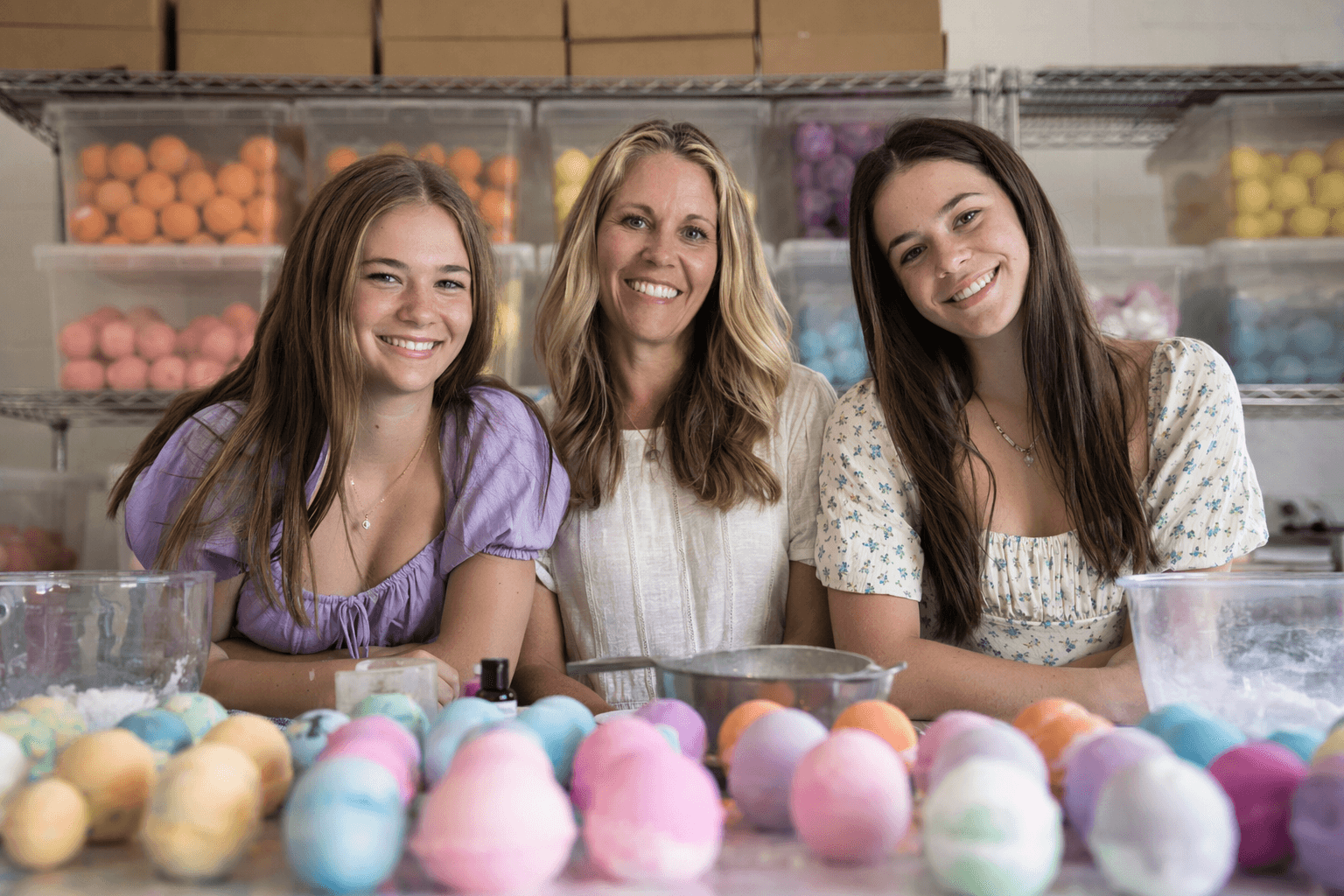
Da Bomb Fizzers started with two sisters making surprise-filled bath bombs at age 11, but the real spark behind the brand was the mother who kept driving the business forward. That family support now meets a new purpose: $1 from every purple bath bomb sold goes to the Lupus Foundation of America, turning a simple self-care product into a cause-driven purchase.
How Da Bomb fizzed from playtime into a business
Isabel Bercaw and Caroline Bercaw first discovered bath bombs as kids, then began making them themselves as a fun project before turning the idea into Da Bomb, later known as Da Bomb Bath Fizzers. What began as a sentimental family activity quickly became a real entrepreneurial path, with the sisters learning how a novelty product could become something people wanted to buy, carry, and reorder.
The early retail story is the kind bath bomb makers remember because it proves the market can appear fast when the product and presentation click. After the sisters brought their bath bombs to a local youth art fair, a salon owner bought eight on the spot, then came back the next day asking to carry them in three salon locations. That kind of immediate reaction matters in the bath bomb world, where scent, color, surprise, and shelf appeal have to land in seconds.
From there, the brand moved well beyond local tables and boutique displays. Forbes reported that Target’s beauty buyer arranged a deal in January 2016 to carry Da Bomb products in all 1,800-plus stores, and Inc. reported that the company had already expanded to more than 200 stores within about eight months of launch. The timeline underscores just how quickly a homemade bath bomb line can scale when it connects with buyers and shoppers at the same time.
The mother’s role was not background, it was the engine
The most memorable part of the story is not the leap to retail, but the role Isabel’s mom played in making that leap possible. Isabel says her mother gave the encouragement that helped the business exist in the first place, driving the family to boutiques, cheering them on during market pitches, and backing the move from a youth art fair to larger opportunities.
That detail gives the brand its emotional center. In a field that can easily lean on polished startup mythology, this story is rooted in something more ordinary and more powerful: a mother who kept showing up, helping two daughters treat a hobby like a serious pursuit. For readers who build products at kitchen tables, that is the real lesson, because growth often begins with one adult who treats a child’s idea like it deserves a chance.
The family angle also makes the brand feel less like a corporate success story and more like a caregiving ritual turned into identity. The products did not emerge from a detached business plan. They grew inside a household where support, repetition, and encouragement shaped the work as much as ingredients and packaging did.
Why the purple bath bomb carries a bigger message
The current campaign gives the brand a clear philanthropic purpose. Da Bomb Fizzers is donating $1 from every purple bath bomb sold to support the Lupus Foundation of America, which connects a colorful bath product to lupus advocacy, research, and visibility. That simple purchase now carries a second meaning: it supports a cause that matters to the family story behind the brand.
The lupus context is important because the foundation says the disease affects an estimated 1.5 million Americans and at least five million people worldwide. The organization marks May as Lupus Awareness Month and recognizes May 10 as World Lupus Day, encouraging people to wear purple as a sign of visibility and support. That makes the purple bath bomb especially well timed, because the product itself becomes part of the awareness message.
For bath bomb makers and small beauty brands, this is a sharp example of cause-based merchandising done right. The product does not just sit on a shelf as another scented sphere for the tub. It carries a specific message, a defined donation structure, and a direct link to a health cause that gives the purchase more weight in the customer’s mind.
What this story says about bath bombs as a business category
Bath bombs often live at the intersection of play, self-care, and giftable retail, and Da Bomb Fizzers shows how far that overlap can go. A product that starts as a surprise-filled craft can become a scalable line when it has strong visual appeal, a memorable brand identity, and a story buyers can repeat. In this case, the story is not just “kids made a product and sold it”; it is “kids made a product, their mother helped turn it into a business, and the business now supports a disease-advocacy mission.”
That is why the Target milestone still matters. Getting into 1,800-plus stores was not only a sales win; it proved that a small, family-built bath bomb line could move from local fairs to national retail without losing the handmade roots that made it distinctive in the first place. The fact that the company had already reached more than 200 stores within about eight months shows how quickly that kind of product can travel when the formula resonates.
In the end, Da Bomb Fizzers stands out because it gives bath bomb culture a human center. Isabel and Caroline Bercaw built something that began with childhood curiosity, but their mother’s steady support, the family’s retail hustle, and the new lupus donation effort make the brand feel like more than a business. It is a reminder that in this community, the best products often carry the clearest stories, and the most meaningful ones are built at home before they ever reach the shelf.
This article was produced by Prism’s automated news system from verified source data, official records, and press releases, then run through automated quality and moderation checks before publishing. The system is built and supervised by the people who set the standards it runs under. Read our full AI policy.
Did this article answer your question?