SixStoreys updates bath bomb guide, weighing fizz, moisture and value
SixStoreys’ update reads like a test bench for bath-bomb makers, showing which buys reveal fizz, moisture, scent, and stain risks before you DIY.
Why this guide works as a shortcut
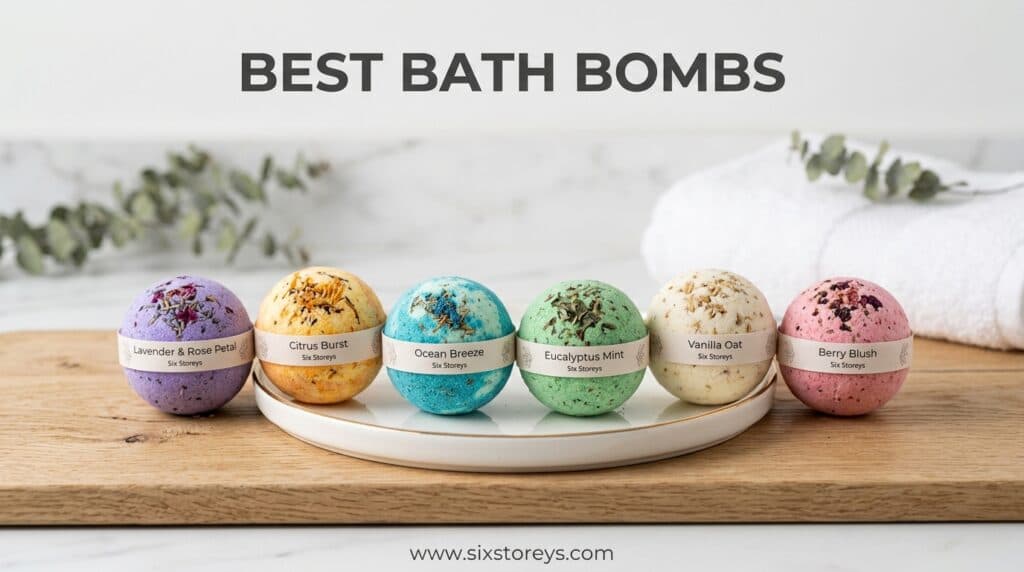
The smartest way to read SixStoreys’ updated bath bomb guide is as a stress test, not a shopping list. The team says it spent weeks testing and researching products across dozens of popular brands, then layered that work with analysis of more than 150,000 customer reviews, which gives the guide a much harder edge than a casual roundup.
That matters if you are trying to study what makes a bath bomb worth copying, tweaking, or improving. The useful questions are not just whether it looks pretty in the basket. The real checkpoints are how long it fizzes, how much moisture it leaves behind, whether the scent reads clearly, and whether the color stays in the water instead of staining the tub.
The picks that show the range of the category
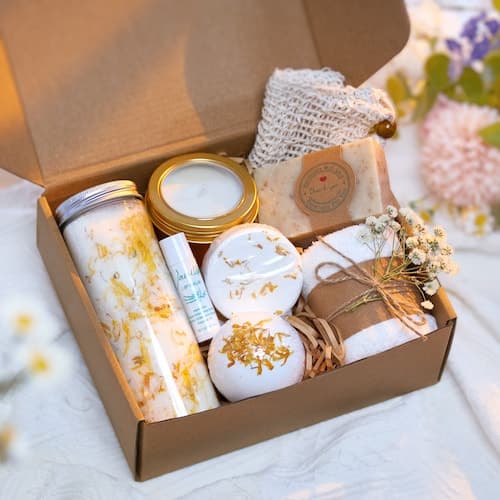
SixStoreys’ editor’s choice, LifeAround2Angels Bath Bombs Gift Set, is the kind of pick that tells you a lot about what buyers actually value. The guide highlights its USA-made fizzies, shea and cocoa butter for dry skin, individually wrapped bombs with scent labels, and colors that are not supposed to stain the tub. For anyone comparing a future homemade version to a commercial benchmark, that combination is useful because it covers nearly every practical pain point at once.
The premium pick, Ahila XXL Bubbly Organic Bath Bombs, points in a different direction. Its size and long fizzing action make it a better reference if you want to study endurance in the tub rather than a quick burst of foam. Bigger bombs are not just about spectacle, they change how long the bath holds interest and how the scent and color unfold over time.
The best-for-kids selection, Mineral Me California Kids Bath Bombs, shows a third lane entirely. The surprise sea animal toy and skin-friendly formula make it clear that novelty and gentleness can matter as much as fizz. If you are trying to understand what sells in family-friendly bath products, this is the sort of pick that tells you how brands blend fun with a softer ingredient story.
What to compare before you buy or make your own
The guide’s table makes one thing obvious: there is no single standard bath bomb anymore. Some products are built around relaxation, some around sensitive skin, some around organic ingredients, and some around themed fun. That makes the category more useful for makers, because every bomb is really a lesson in priorities.
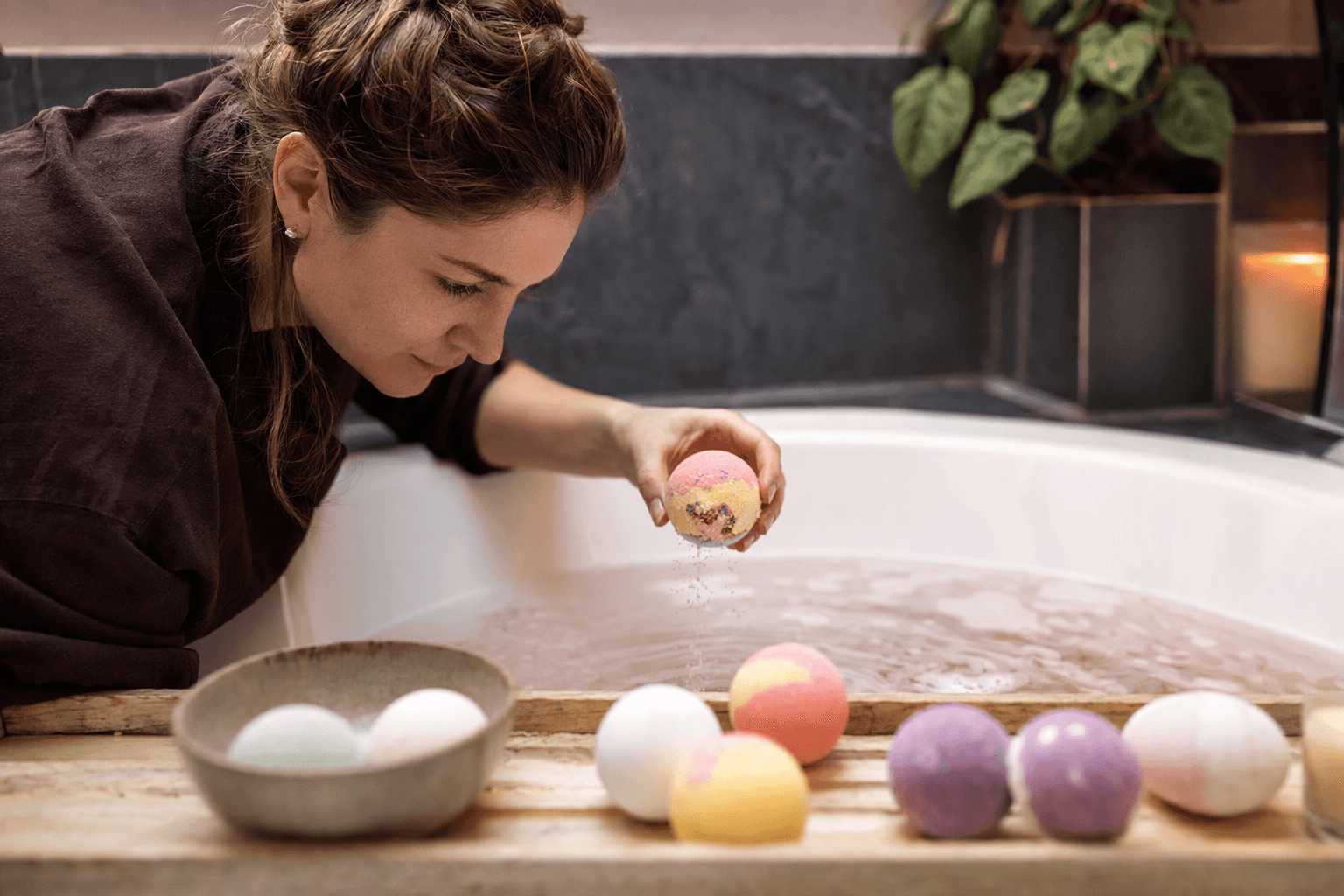
A practical comparison should focus on a few concrete traits:
- Fizz length: Short fizz can feel lively, but longer action gives you more time to study how the bomb behaves in the water.
- Moisture payoff: Shea butter, cocoa butter, and other conditioning ingredients tell you whether the post-bath feel is meant to be softening or purely decorative.
- Scent throw and labeling: Individually wrapped bombs with scent labels make it easier to identify which fragrance profile is actually landing.
- Color behavior: A bomb can look dramatic without leaving the tub tinted, and that distinction matters if you are testing pigments or trying to avoid cleanup problems.
- Audience fit: Kids’ bombs, relaxation sets, and sensitive-skin formulas are not interchangeable, and the guide treats them as separate use cases for a reason.
That lens is especially helpful if you are studying bath bombs as prototypes instead of impulse purchases. A good commercial product can teach you what to keep, what to reduce, and what to leave out.
Why ingredients and labels matter
Bath bombs sit in cosmetic territory, which means the safety and labeling side is not optional. The U.S. Food and Drug Administration says companies and individuals who market cosmetics have a legal responsibility to ensure product safety, and cosmetic products and ingredients generally do not need premarket approval before sale except for certain color additives. That is one reason ingredient lists, fragrance choices, and color claims deserve close attention.
The skin-reaction piece is just as important. The American Academy of Dermatology says even natural or clean skin-care products can cause contact dermatitis, and fragrance allergy is common. In plain terms, a product can look gentle on paper and still bother skin in real life, which makes scent labels, fragrance load, and sensitive-skin positioning far more than marketing language.
How bath bombs became a serious category
It helps to remember that bath bombs are not some recent internet fad. Lush says Mo Constantine invented the first bath bomb in 1989 in Dorset, England, working from a garden shed, and the company was first awarded the bath-bomb trademark on April 27, 1990. Lush also says it has created more than 500 bath-bomb designs and sold more than 350 million bath bombs globally, while another Lush page puts the totals at over 400 designs and over 300 million sold.
That scale fits the larger market picture. Statista says the global beauty and personal care market was worth more than $620 billion in 2023, is projected to reach $698.38 billion in 2026, and is expected to exceed $700 billion by 2028. Statista also projects the U.S. bath and shower products market will approach nearly $60 billion by 2028. Bath bombs now live inside a category big enough to reward careful testing, not just pretty packaging.
The bottom line for shoppers and makers
SixStoreys’ update is useful because it treats bath bombs like real consumer tools with tradeoffs, not just colorful extras. If you want a smart shortcut into the category, start with the products that reveal moisture, scent, fizz, and stain behavior most clearly, then use those signals to judge what is worth buying, studying, or rebuilding at home. The best bath bomb is not just the one that looks good in the basket; it is the one that proves what your own formula needs to do better.
This article was produced by Prism’s automated news system from verified source data, official records, and press releases, then run through automated quality and moderation checks before publishing. The system is built and supervised by the people who set the standards it runs under. Read our full AI policy.
Did this article answer your question?