Private-label bath products gain momentum as self-care demand grows in 2026
Bath bombs still have room in 2026, but private label is the faster launch path. The winners are products that look premium, gift well, and stay simple on labels.

Why private label is pulling ahead
Bath products are moving deeper into lifestyle territory, and that shift is giving private label a real edge. The Lavish Goat’s 2026 roadmap treats self-care, wellness, clean ingredients, aromatherapy, and shelf appeal as the forces shaping what sells now, which is why brands, spas, boutiques, salons, and subscription boxes are looking at bath products as an expansion play rather than a manufacturing project.
The appeal is practical: private label lets a brand work with a manufacturer, put its own label on the product, and launch far faster than a custom-formulation route. That cuts startup costs, shortens production timelines, and keeps the owner focused on marketing, presentation, and customer experience instead of equipment, batching, and formulation headaches.
Where bath bombs fit in the mix
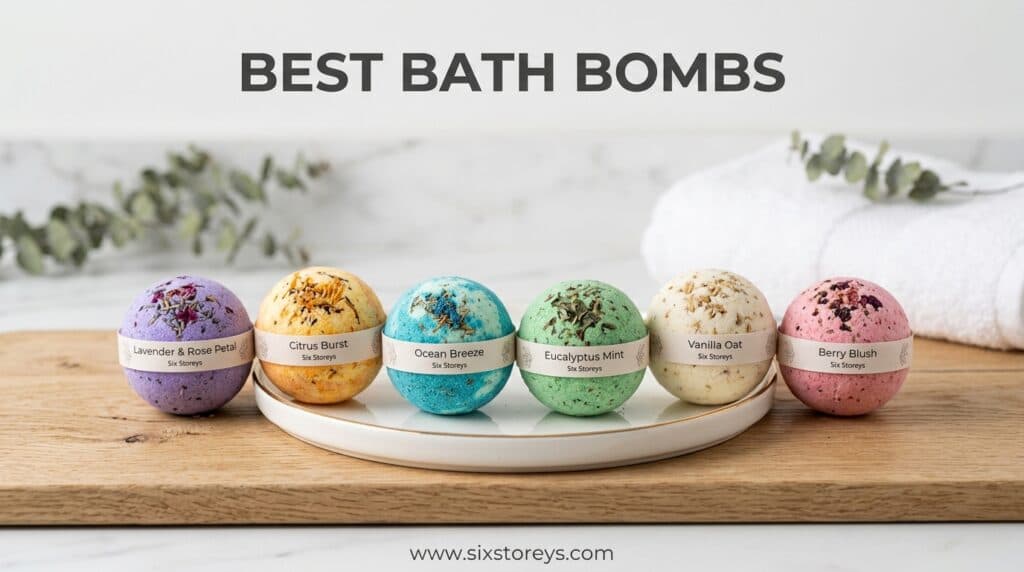
If the goal is the easiest first product, bath bombs still belong near the front of the line. The category has one major advantage that is hard to ignore: bath bombs combine fragrance, color, and a bit of theater in a single item, so they sell as both an everyday treat and a giftable impulse buy.
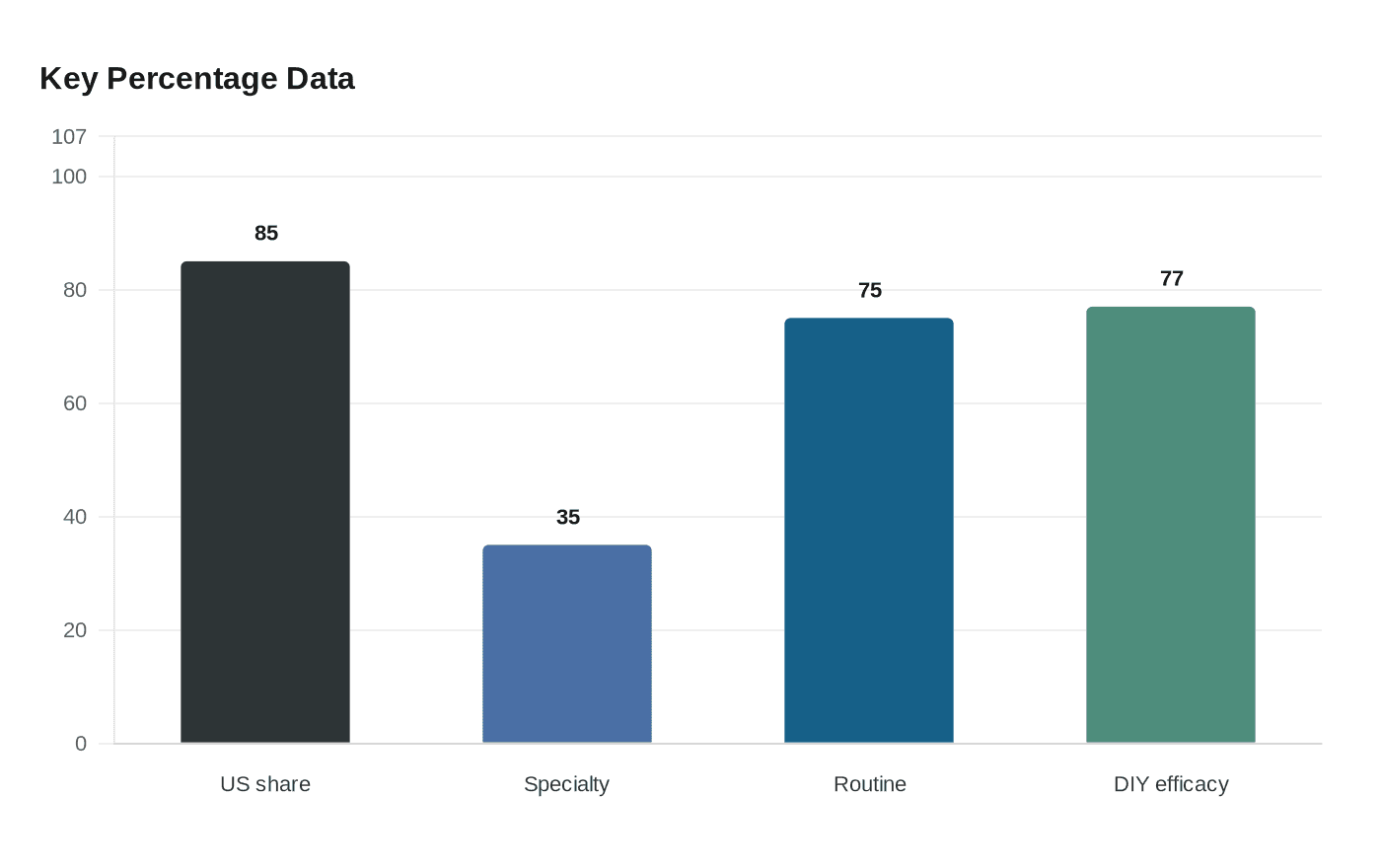
That matters in a market that is still growing. Grand View Research estimates the global bath bomb market at USD 1.86 billion in 2023 and projects it to reach USD 2.84 billion by 2030, with a 6.5% compound annual growth rate from 2024 to 2030. The same report says the United States accounted for about 85% of the market in 2023, while specialty stores held roughly 35% of distribution, which tells you the category is still deeply tied to presentation and specialty retail.
Bath bombs also fit the way people shop now. Their visual payoff makes them easy to feature in social posts, bundle into gift sets, and place near checkout as an add-on. In a market where products are judged as much by how they photograph as by how they perform, that is a serious advantage.

The easiest products to launch, bundle, and differentiate
For a small brand trying to decide what to launch first, shower steamers and bath bombs are the strongest private-label starting points. Shower steamers are the cleaner fit for customers who want a spa-like aromatherapy moment without taking a bath, and The Lavish Goat treats them as a major 2026 trend. Bath bombs, meanwhile, have the stronger gift factor and the broader visual hook.
That makes the decision less about which product is “better” and more about how you want to sell. Bath bombs are the safer bet if you want something visually striking, seasonal, and easy to position as a present. Shower steamers make sense if you want a lower-friction self-care item that works for people who may not use a tub regularly.
- seasonal shapes and colors
- scent stories tied to mood or time of year
- gift sets built around holidays, birthdays, or spa nights
- packaging that turns a basic bath product into a retail-ready present
The best private-label lines often start with a small, tightly edited assortment rather than a sprawling catalog. A bath bomb line can be differentiated with:
That flexibility is where private label beats building everything from scratch. You can test a concept, adjust the branding, and expand later into shower steamers or related bath items without rebuilding the business from the ground up.
Why the category still sells like a lifestyle product
Bath bombs are not just surviving on nostalgia. Their modern appeal lines up with broader beauty and wellness behavior. Euromonitor’s 2025 beauty survey found that 75% of consumers say a consistent beauty routine contributes to wellbeing and confidence, while 77% of DIY beauty users demand proven efficacy from at-home products. At the same time, shoppers are still leaning toward clean ingredients and clearer ingredient transparency.
That combination is useful for private-label sellers because it pushes the category toward simple, understandable positioning. The product has to look indulgent, but the label also has to feel credible. In other words, bath bombs sell best when they read as affordable luxury rather than empty hype.
Lush’s history shows why that formula works. Mo Constantine invented the first bath bomb in 1989 in Dorset, England, and Lush was first awarded the bath bomb trademark on April 27, 1990. The company says it has sold more than 350 million bath bombs globally and created more than 500 designs, which is a reminder that the category has room for endless variation when the fundamentals are right.
Lush also says it uses less than half the packaging materials of a comparable cosmetic company by selling many products without packaging. That is a useful marker for newer brands trying to build around sustainability-minded branding, especially when a naked or lightly wrapped product can signal both simplicity and premium intent.
The compliance line you cannot blur
The fastest way to turn a promising bath product into a legal headache is to overclaim. The U.S. Food and Drug Administration says cosmetics marketed in the United States must be safe, properly labeled, and not adulterated or misbranded. Under MoCRA, manufacturers and processors must register facilities and renew those registrations every two years, and the FDA updated its Cosmetics Direct portal on February 11, 2026, to support biennial renewals.
Labeling deserves the same attention. FDA says cosmetic labeling must be truthful and not misleading, ingredient names matter, and products intended to affect body structure or function, or to treat or prevent disease, are regulated as drugs. That means a bath bomb that promises a sensory soak is one thing; a bath bomb that implies pain relief, sleep treatment, or therapeutic action can cross a very different regulatory line.
For private-label sellers, that creates a simple rule: keep the story cosmetic, not medical. Lean on scent, color, feel, and experience. Be precise with ingredients, and make sure the label reads cleanly enough that a retailer, salon, or subscription box partner can trust it without a second guess.
What the market signal says for 2026
The broader beauty market still supports the bet. McKinsey says the global beauty market was about USD 450 billion and grew 7% annually from 2022 to 2024, but consumers are now more value-conscious and skeptical of hype. That is exactly the environment where private label can win, because it gives you a way to offer something polished without carrying the cost and risk of a full manufacturing setup.
The marketing channel also favors bath bombs. Sprout Social says 93% of consumers expect brands to keep up with online culture, and Statista says TikTok Shops generated USD 33 billion worldwide in 2024, including USD 9 billion in the United States. That is a strong signal for any product that can be shown in a quick, satisfying reveal, and bath bombs still have one of the cleanest visual payoffs in the bath aisle.
The takeaway is straightforward. If you want the smartest private-label entry point, bath bombs are still one of the easiest ways in because they are giftable, seasonal, visually distinctive, and simple to brand. If you want the broadest 2026 opportunity, pair them with shower steamers and build around the same promise of affordable luxury. The brands that move first will not be the ones trying to invent a factory. They will be the ones using private label to turn a strong bath moment into a sellable line.
Know something we missed? Have a correction or additional information?
Submit a Tip