How to Make Bath Bombs at Home With Simple Ingredients and Steps
Six ingredients, one bowl, and 24 hours of drying time: making bath bombs at home is genuinely this simple, and you control every ingredient that touches your skin.
Four ounces of baking soda. Two ounces each of citric acid, cornstarch, and Epsom salt. A splash of oil, a few drops of essential oil, and a spritz of water. That is the complete ingredient list for a batch of two bath bombs, and every single one of those items is either already in your pantry or available at any grocery store. The barrier to making bath bombs at home is not skill; it is knowing the exact ratios and the one technique that saves every beginner from a fizzing disaster on the countertop.
The Core Ingredients and Why Each One Matters
The citric acid and baking soda in bath bombs neutralize each other and create the fun fizzing action. That reaction is the entire point, so getting the balance right is non-negotiable. Most bath bomb recipes use the same basic ratio of 2 parts baking soda and 1 part citric acid. Baking soda and citric acid are the ingredients that react together in water to create fizz. As long as you stick to that 2:1 ratio of baking soda to citric acid, you should still get a nice fizzy bath bomb even if you use additional dry ingredients.
The supporting cast each does a specific job:
- Cornstarch helps all the ingredients stick together.
- There are powerfully relaxing properties in Epsom salts.
- Almond oil is incredibly beneficial for skin and can help moisturize your entire body as you soak. Coconut oil works just as well and is easier to source.
- Each essential oil has different properties. Choose oils that match your needs, whether that is relaxation, improved focus, or renewed energy.
- If you are adding essential oils to your bath bombs, remember that a little goes a long way. You will only need a few drops. Using too much essential oil can be overpowering, or cause the bath bombs to remain soft instead of hardening.
The only ingredient you might be missing is citric acid. Although many people have it in their pantry, this is not something we use on a regular basis. You can buy citric acid in a grocery store or online. Check the canning supplies aisle first.
Step-by-Step Mixing Instructions
The single rule that determines whether your batch succeeds or ends up as a fizzing heap of wasted ingredients: keep wet and dry completely separate until the very last moment, and add liquid one teaspoon at a time.
1. In a bowl, combine the dry ingredients.
Whisk to remove any clumps (cornstarch tends to be clumpy).
2. In a small glass jar, stir together the wet ingredients.
If you are using coconut oil, give it a quick melt in the microwave or stovetop so it will easily combine with the other ingredients.
3. Slowly pour the liquid mixture in with the dry mixture, whisking as you go.
If you see the mixture fizz or foam, you may be adding the liquid too quickly.
4. Keep mixing until the texture is right.
Continue mixing until the mixture resembles damp sand. You should be able to form it into a clump that stays together on its own.
One extra tip worth knowing: bring together all of your dry ingredients in a mixing bowl excluding your citric acid. Leave the citric acid until later, as adding it now can complicate things during the liquid pour step. Adding citric acid last, just before molding, is the method most experienced makers swear by.
Molding and Drying
Pick up bath bomb molds to create a ball shape. However, you can use things like a cupcake pan or silicon mold to achieve different shapes and sizes. Standard round molds are the easiest to start with, but a muffin tin produces perfectly usable pucks.
For a round mold, fill each half, packing it in slightly until it is overflowing. Then firmly press the halves together. Let the mold sit for one minute. Once set, tap the mold and pull it apart.
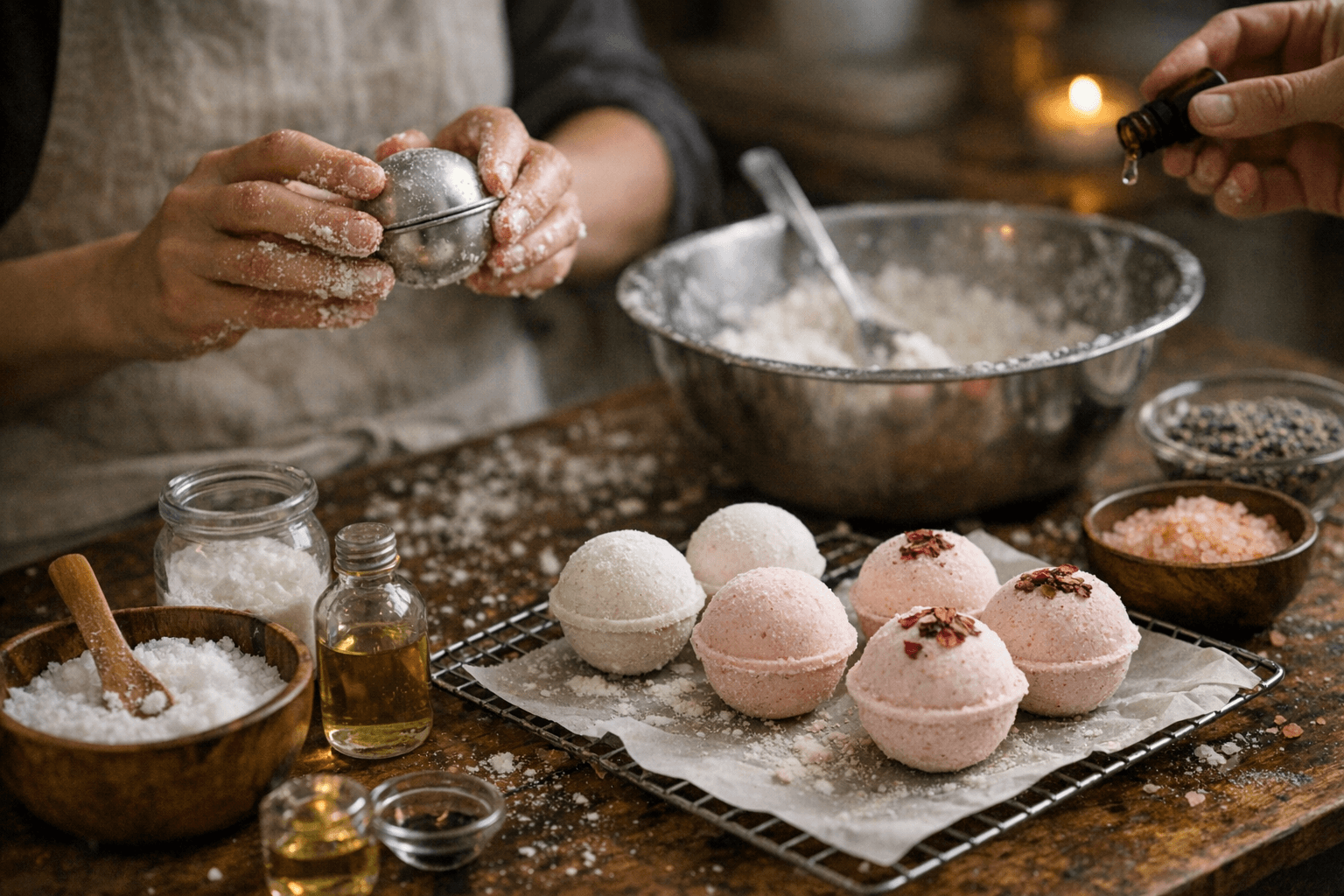
Let the bath bombs dry for at least 24 hours before use. Rushing this step is the main reason beginner batches crumble. Let the bath bombs harden for at least two hours minimum before touching them. Removing bath bombs before they are completely dry can lead to crumbling and breakage.
Troubleshooting Common Problems
If your recipe turns out slightly too wet, the fizzing action might start prematurely and result in your bath bombs expanding out of the mold. Too dry, and you can get crumbly bath bombs that break apart and do not fizz properly.
A few fixes to keep on hand:
- If you are having trouble getting your bath bomb to stay together, try using a spray bottle to add liquid one spritz at a time. This keeps you from adding too much liquid too fast.
- You can try using witch hazel or isopropyl alcohol instead of plain water, which helps particularly in humid environments.
- If you live in an area with higher humidity, you may need to adjust the ratio of ingredients. Your bath bomb's salts can absorb moisture from the air and prematurely fizz or prevent your bomb from drying and holding its shape.
- Make sure the food coloring you use is non-water based. Otherwise, the bath bomb mixture will start to fizz before you even pack it into the molds and all your efforts will be for nothing.
Simple Variations to Try Next
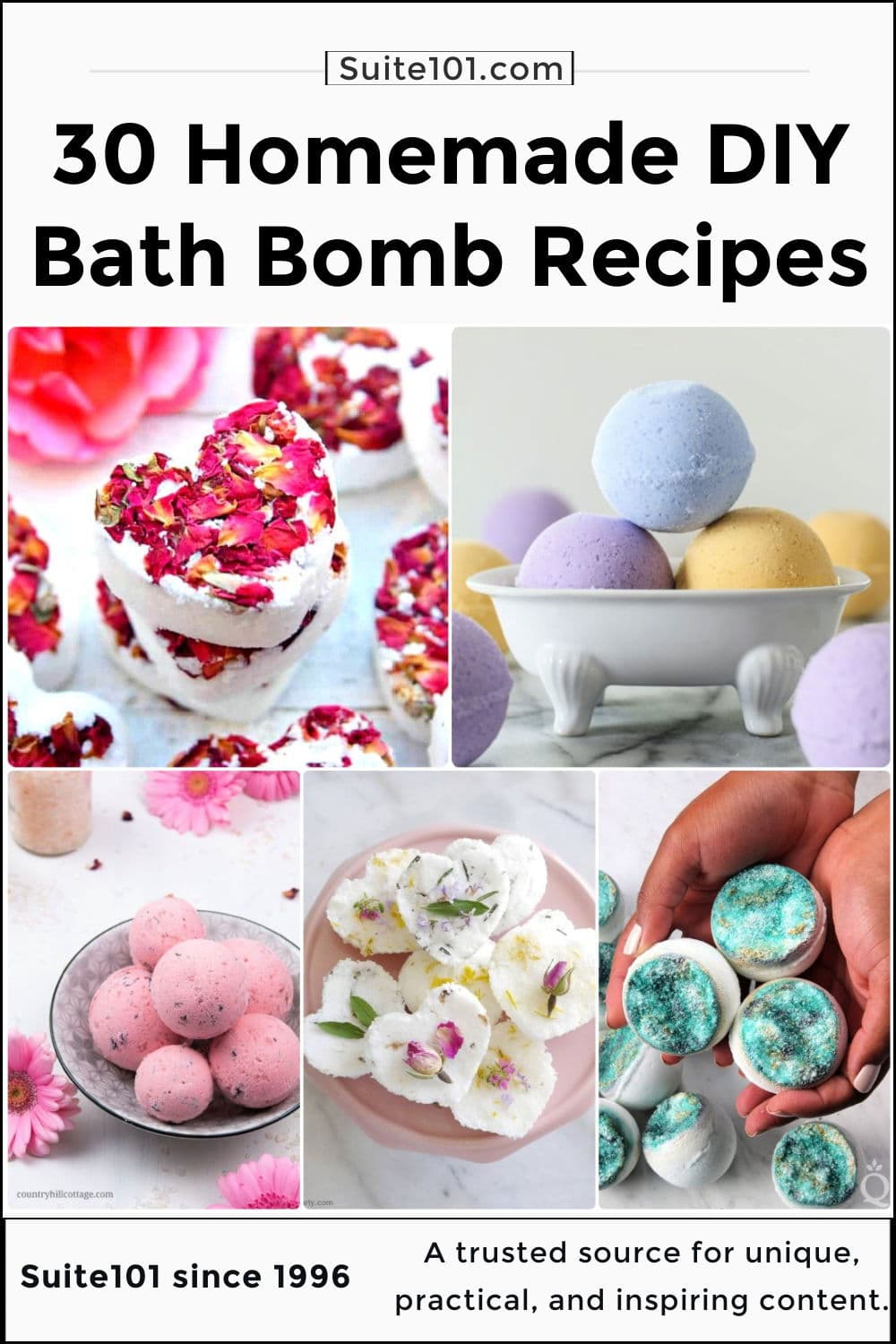
Once the basic recipe is dialed in, the customization options are genuinely endless. Color is the easiest place to start. If you want to create two-tone bath bombs, just mix up your batter in two separate bowls and only add the food coloring to one.
For botanicals, before distributing the mixture among the muffin tin cavities, sprinkle some dried lavender buds on the bottom of each cavity and then pack the mixture. The flowers end up on the visible surface when the bomb is released from the mold. Dried flowers or herbs like lavender, rose petals, and chamomile not only enhance aesthetics but also offer calming properties.
For scent layering, try a blend of eucalyptus and peppermint for an invigorating bath, or lavender and chamomile for a relaxing experience.
Want more fizz and bubbles? To make a bath bomb that creates a luxurious sheet of foam on top of the water and holds its fragrance longer, try adding sodium lauryl sulfoacetate to the dry ingredient mix. Just note that if using sodium lauryl sulfoacetate in your bath bombs, it is probably best to wear gloves while mixing and pressing them into shape, especially if you have sensitive skin.
Storing Your Finished Bath Bombs
Moisture, heat, and air can weaken their fizz, fade their colors, and dull their fragrance. Storing them correctly ensures they stay fresh and vibrant for longer.
- Wrap each bath bomb individually in plastic wrap or shrink film to lock out moisture and maintain freshness.
- Store in a cool, dry place away from humidity, heat, and direct sunlight. Avoid bathrooms if they get too steamy.
- Airtight containers like mason jars or plastic jars seal in freshness and prevent exposure to moisture and air, keeping your bath bombs vibrant and fizzy over time.
- Storing different scented bath bombs together can lead to a mingling of fragrances. Separate different fragrances using individual containers or placing them in separate areas of the same container. This ensures each bath bomb retains its unique scent profile.
Once dried, store your bath bombs in an airtight container so that moisture does not get in. Your bath bombs will last for at least 6 months.
The real reason to make your own bath bombs is to control the ingredients to make body-nourishing and safe bath products you can trust. That control, combined with a recipe this simple, is exactly why batch-making a dozen at once makes so much sense. Wrap them up, store them right, and you have a personalized spa supply that lasts half a year.
Know something we missed? Have a correction or additional information?
Submit a Tip