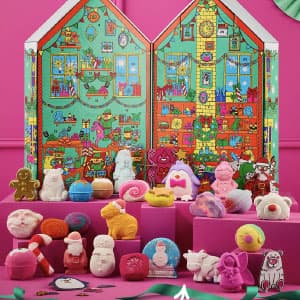
Lush puts bath bombs at center of experiential store strategy
Lush is turning bath bombs into live retail theater, using Liverpool, World Bath Bomb Day, and make-your-own workshops to make the product the whole store experience.
Bath bombs are no longer just products, they are the show
Lush is treating the bath bomb like a stage prop, a demo tool, and a brand signal all at once. That is the real story behind the company’s 2026 retail push: stores are not just places to ring up sales, they are meant to be spaces where you discover, watch, smell, test, and take part.
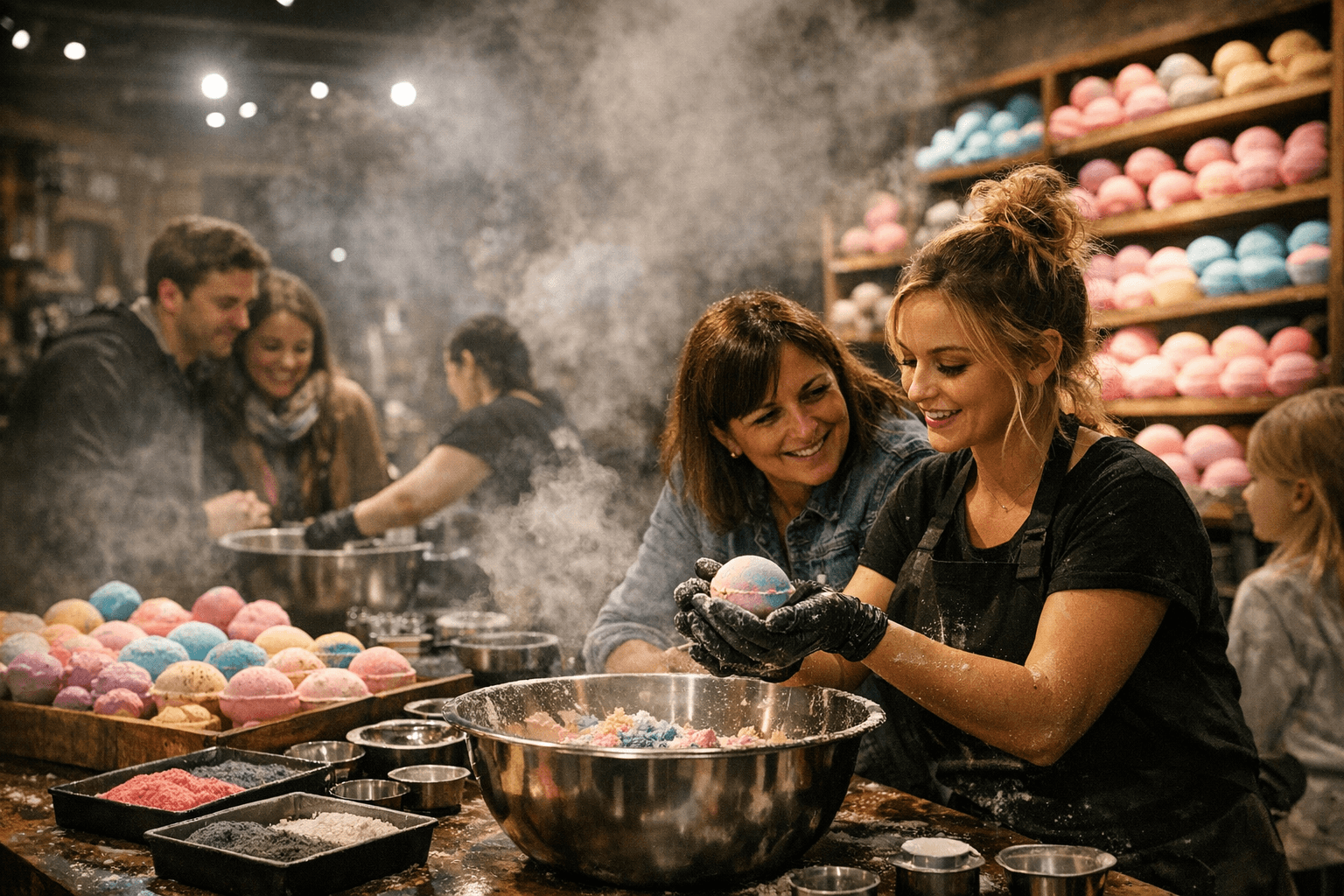
Kasey Swithenbank, whom Lush says it has appointed as its new Lead Retailer for UK&I, is central to that shift. She has more than 13 years with the company, and Lush says she has managed and directed more than 100 shop managers. Her brief is bigger than store operations. It is about keeping the high street interesting by making the shop floor feel alive, with bath bomb demonstrations, birthday parties, fragrance readings, skincare try-ons, and the kind of hands-on moments that turn a casual visit into a memory.
That matters because bath bombs are naturally demo-friendly. They are visual, tactile, fragrant, and immediate. You do not need a long explanation to understand the appeal when a product starts fizzing, releasing color, and changing the feel of the water right in front of you. Lush is leaning hard into that advantage, and in the process it is showing other bath and body brands what shoppers now expect from an in-person visit.
Liverpool is the template for the experience-first store
If you want to see where this strategy lands when Lush goes big, Liverpool is the clearest example. Lush says the Liverpool location is the biggest store in the world, and it is built to do far more than sell product off a shelf. The store spans four floors and includes a shampoo bar, florist, make-up consultations, and spa services, all wrapped into one flagship experience.
A separate Lush press release adds even more detail. It describes the site as 1,380 sqm and says it includes a Hair Lab, a permanent florist, a Perfume Library, six treatment rooms, a party area, and a coffee and tea kiosk. Another Liverpool tourism listing puts the retail space at 1,814 sqm, which only reinforces the basic point: this is not a normal shop. It is a destination designed to keep people inside longer, moving from one sensory stop to the next.
Lush’s own store page says the Liverpool site also hosts seasonal events such as LGBT+ comedy nights and drag brunches. That is the other piece of the formula. The store is not just stocked, it is programmed. When a retailer can turn a flagship into a place for services, events, and social energy, the bath bomb stops being a simple SKU and becomes part of a larger scene.
Why bath bombs fit experiential retail so well
Bath bombs have always been one of the easiest Lush products to make feel special in person. They are compact enough to demo, dramatic enough to photograph, and familiar enough that most shoppers instantly understand what they do. That makes them perfect for a retail model built around showing rather than telling.
Lush’s strategy also depends on atmosphere. Swithenbank says the company has never been only about products on a shelf. Store playlists, staff engagement, and hands-on demos are part of the brand’s identity, and bath bombs fit that formula better than almost anything else in the range. A shelf full of boxes can be ignored. A live demo can stop traffic.
For independent makers, that is the signal to watch. The category is moving toward products that can perform in public. A bath bomb that looks good in a clear display bowl, releases fragrance quickly, or has a visual reveal is already halfway to retail theater. If you are making for a market where shoppers expect an experience, plain packaging and a vague pitch do not carry the same weight they once did.
Lush has been selling the idea of low-waste products for years
The experiential angle is new in scale, but not new in spirit. Lush’s roots go back to Poole, and the company says it was already selling packaging-free products in the Cosmetics To Go era before Lush existed. Its naked-products materials make the point clearly: the brand has long opposed unnecessary packaging and has pushed solid products as a way to reduce packaging waste.
That history matters because it explains why bath bombs still sit at the heart of the brand. They are part of a broader philosophy that treats product design, waste reduction, and sensory appeal as the same conversation. Lush did not arrive at the current moment by accident. It spent years normalizing the idea that a beauty product could be both playful and low-packaging, practical and theatrical.
For shoppers, that means the store experience is supposed to feel coherent. The same company that sells bath bombs in a package-light format also builds a retail environment around scent, color, and participation. The bath bomb is not a side item in that ecosystem. It is one of the clearest expressions of it.
World Bath Bomb Day keeps the category in the spotlight
Lush’s strongest annual bath bomb moment comes on April 27, which the company calls World Bath Bomb Day. Lush links the date to the trademark milestone for bath bombs and says the product was invented by co-founder and product inventor Mo Constantine in 1989, in her shed. That origin story is part of the brand mythology, but it is also a working retail tool.
The company has used World Bath Bomb Day to launch new bath bomb products and to stage make-your-own bath bomb events in stores. Those workshops are exactly the sort of thing that turns a product from a purchase into an activity. They give shoppers a reason to come in, learn, touch ingredients, and leave with something they made themselves.
The calendar still supports that strategy. A bath bomb workshop at Lush Stratford City on April 6, 2026, was listed on Eventbrite as part of the Easter half-term run-up. That kind of programming shows how the brand keeps the product alive between launches. It is not waiting for the customer to stumble on a bath bomb display. It is creating a reason to show up.
The bigger retail lesson is about competition and commitment
Lush’s store strategy is also a response to pressure. The company has said physical retail is under huge economic pressure, and one press release said it planned to spend almost £11 million more on UK shops ahead of New Year. That is a serious commitment to the high street at a time when many brands are cutting back on their store ambitions.
The message for the bath bomb market is blunt. The category still has pull, but the winning version of it is no longer just a product in a basket. It is a demo, a workshop, a seasonal event, a social backdrop, and a reason to walk into a store rather than scroll past one online.
Lush is betting that bath bombs can carry all of that. In Liverpool, in Stratford City, and on World Bath Bomb Day, the company is proving that the fizz is only part of the draw. The real product is the experience built around it.
This article was produced by Prism’s automated news system from verified source data, official records, and press releases, then run through automated quality and moderation checks before publishing. The system is built and supervised by the people who set the standards it runs under. Read our full AI policy.
Did this article answer your question?