Make Budget-Friendly Bath Bombs at Home Using Dollar Tree Supplies
Dollar Tree supplies can get you a bath bomb under $1 each — a fraction of what Lush charges, with a clever Christmas ornament mold hack that eliminates the need for pricey equipment.
If you've ever dropped $7 on a single Lush bath bomb and thought "there has to be a better way," the Cooking with Carson episode republished by MSN on March 11, 2026 is worth your time. The video, captioned "Dollar Tree DIY Cheap & awesome bath bombs!", does exactly what it promises: shows you how to build a legitimate fizzing bath bomb using supplies you can grab from Dollar Tree, with the finished cost coming in at less than $1 per bomb according to the DoItOnADime blog post that accompanied it.
That's not a rounding error. The DoItOnADime post frames these as comparable to what you'd find at Lush or through amorbathbombs.com, just made "for a fraction of the price using Dollar Tree supplies." Whether you take that comparison at face value or with a grain of citric acid, the core premise is sound: the basic chemistry behind a bath bomb doesn't require premium-priced ingredients, and Dollar Tree stocks enough of the essentials to make it work.
The mold hack that changes everything
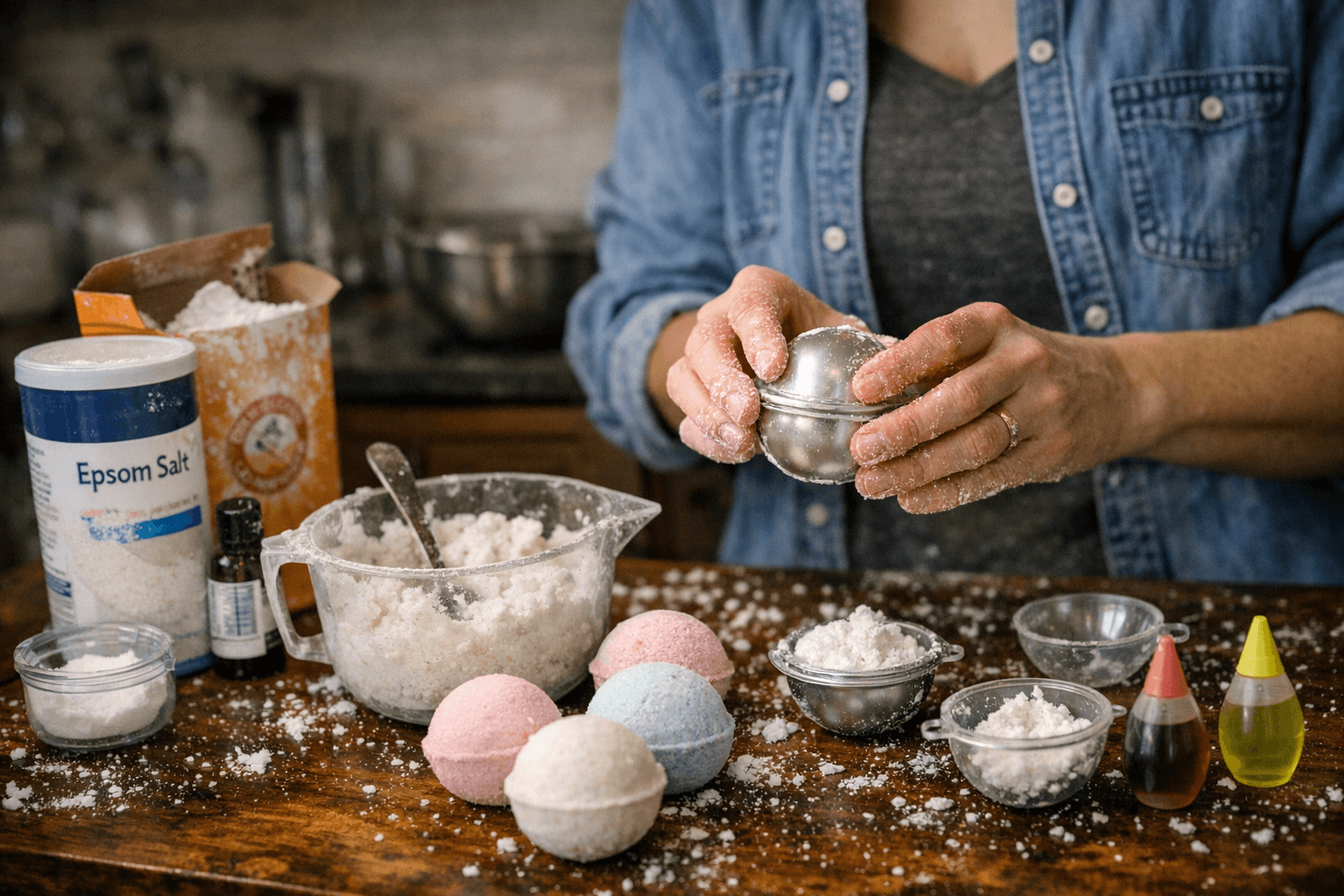
The single most discussed element in the comment thread isn't the recipe itself; it's the mold solution. Commenter Esther put it plainly: "Thanks for showing how to use the Christmas ornament as a mold. I've made the fizzy tablets, but didn't want to pay the $5+ for the bomb mold. Off to the Dollar Tree (as if I need an excuse)! Thanks again!"
That $5-plus figure for a dedicated bath bomb mold is a real friction point for people who want to experiment without committing to equipment. The plastic Christmas ornament hack sidesteps it entirely. You're looking at a round, two-piece shell that presses together cleanly, which is essentially the same geometry as a commercial bath bomb mold. Dollar Tree sells these ornaments seasonally, so if you're planning ahead for holiday gifting, grab a handful when they hit shelves in the fall. Commenter Jessica echoed the enthusiasm: "I also LOVE the Christmas ornament idea for the mold! If they're decent, I'd like to gift them!"
One caveat worth noting: the ornament-as-mold technique is referenced by multiple commenters based on what the video shows, but the exact ornament type, size, and any specific sealing or release tips shown in the video aren't detailed in the available source material. If you're trying this for the first time, start with a larger ornament size to give yourself more working room and be prepared to experiment with your pack pressure.
What you're actually making
Bath bomb chemistry is straightforward. The fizz comes from an acid-base reaction between baking soda (sodium bicarbonate) and citric acid, triggered when the bomb hits water. Everything else, oils, colorants, fragrance, is about skin feel and aesthetics. The DoItOnADime post doesn't publish a full ingredient list or quantities in the material available, so treat this as a starting framework rather than a complete recipe. The claim that each bomb runs under $1 is the blog's own cost calculation, and a full breakdown of which Dollar Tree items hit that number hasn't been independently verified.
What the video does establish clearly is that the approach is quick and accessible. Becky's comment, "That is awesome. Easy recipe. I have been looking for this," reflects what a lot of newcomers feel when they realize bath bombs don't require specialty suppliers or elaborate equipment. You're not doing chemistry lab work; you're mixing dry ingredients, adding a liquid component carefully to avoid premature fizzing, packing the mold firmly, and letting them dry.
Why the timing matters: Halloween and Christmas gifting
The DoItOnADime post is filed under Holiday alongside DIY Projects and Recipes, and that categorization tells you something about how these bombs are best deployed. The post makes it explicit: "How fun is this DIY for Halloween? We had so much fun making these. I think these would make great Christmas gifts, too."
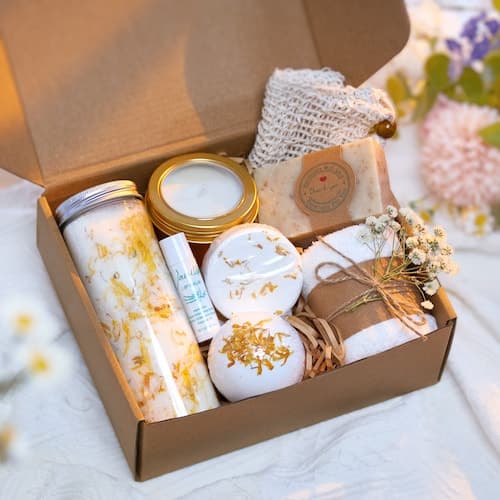
This is a genuinely underrated gifting play. A handmade bath bomb in a decorative ornament mold, maybe with a coordinating color and scent, costs you under $1 in materials and reads as a thoughtful, elevated gift. Rhonda noted in the comments: "Love this. Saw them at Bath and Body Works. Great for gift baskets. Can't wait to try." That Bath and Body Works reference is the point: the retail version of this gift exists and sells, which means people already perceive it as gift-worthy. You're just cutting the markup.
Jessica was already planning ahead, noting she was throwing a Halloween party and saw the bombs as perfect for it, while also flagging Christmas gifting potential in the same breath. Marisa went a step further and bought molds specifically to make batches for her nephews and son. When multiple people in a comment thread are independently arriving at the same gifting application, that's a signal the use case is genuinely strong.
Cost perspective: what you're saving
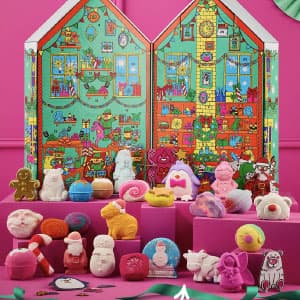
The DoItOnADime post draws comparisons to Lush and amorbathbombs.com. Lush's bath bombs typically retail in the $7 to $12 range per unit depending on the product. Even the "more reasonably priced" online options referenced in the post carry a per-unit cost that makes a multi-bomb gift set add up fast. At sub-$1 per bomb from Dollar Tree supplies, a set of six bombs costs you roughly what a single retail bomb does.
Kelsie Rios summed up the appeal directly: "This is amazing! Will definitely cut down my bath bomb expenses!!" That's the exact audience this guide speaks to: people who already use and love bath bombs but are tired of the retail price tag.
A note on what the video doesn't cover
The DoItOnADime post includes a straightforward disclosure: "This is not a sponsored video. All opinions are genuinely my own. Links contain affiliates." That's worth flagging because some of the Dollar Tree items shown may be linked through affiliate partnerships in the full blog post. The core content and recommendations are the author's own, but if you click through to purchase anything beyond what you'd grab in-store, be aware that context exists.
Also worth being upfront about: the full ingredient list, precise quantities, and step-by-step method shown in the Cooking with Carson video aren't reproduced in the available source material. The recipe exists on video; this guide is working from the frame around it. If you want the exact formulation, track down the original Cooking with Carson episode directly.
The sub-$1 cost claim is the blog's figure, and the math behind it depends on which specific Dollar Tree items you use and how many bombs a batch yields. Your actual cost may vary based on what's in stock at your local store and how much you use per bomb. That said, even if your personal cost lands at $1.50 per bomb, you're still dramatically undercutting the retail market, and you've got a seasonal mold hack that eliminates the biggest equipment barrier to getting started.
This article was produced by Prism’s automated news system from verified source data, official records, and press releases, then run through automated quality and moderation checks before publishing. The system is built and supervised by the people who set the standards it runs under. Read our full AI policy.
Did this article answer your question?