Maryland Brand Creation Essentials Expands Into Natural Bath Bombs and Beyond
Creation Essentials names turmeric and hyaluronic acid as hero ingredients, but marketing callouts and full INCI lists are two very different things.
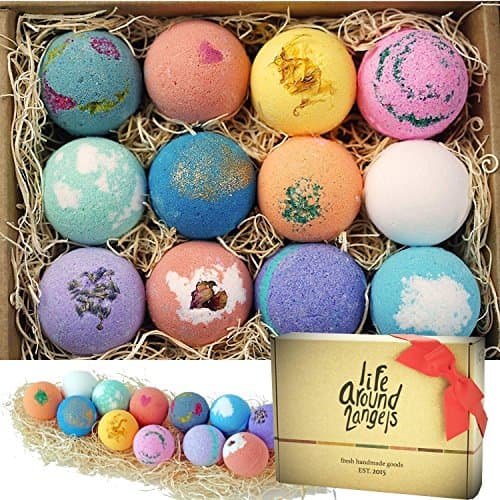
Creation Essentials Natural Body, a Maryland-based brand founded by Mrs. Anderson, announced an expanded product line March 31 built around what the company calls a "What's Inside Matters" philosophy. The launch added bath bombs to a collection that already included whipped body butters, body lotions, natural soaps, African Black Soap bars, body scrubs, sugar scrubs, lip care, and body wash, positioning the brand as a handcrafted, ingredient-forward alternative in the natural beauty market.
"Our goal is to help people feel good about the products they use daily," Anderson said. "When you understand what's inside your skincare, you can make more confident choices that support your skin and your well-being."
The brand calls out turmeric, hyaluronic acid, raw oats, and coconut oil as signature actives across the collection. That ingredient storytelling is effective marketing, and the cross-category strategy is sound: pairing bath bombs with body butters and soaps gives wholesale buyers and subscription curators multiple entry points and raises average order value without pulling the brand into unrelated territory.
But naming hero ingredients and publishing a full INCI list are two different things, and the gap between them is where a genuine transparency audit starts. For any bath bomb line claiming "natural" or "clean" positioning, three categories routinely obscure the full picture.

Fragrance is the biggest blind spot. Under FDA cosmetic labeling rules, every scent component can be collapsed into a single word on the label, legally covering dozens of individual compounds, including synthetic fixatives. That makes "fragrance" one of the most information-dense terms in cosmetics while appearing to be the simplest. The most useful question to ask any handcrafted bath bomb brand is not whether something smells botanical, but whether the scent derives from an essential oil blend, a synthetic fragrance oil, or a phthalate-free fragrance oil, and whether an IFRA compliance sheet is available. Colorants are the second gap: micas and oxides need to appear in the INCI individually, and not every colorant approved for general cosmetic use is cleared specifically for rinse-off products. Checking each mica's own INCI against rinse-off approval categories is a step many product pages skip entirely. Third is preservation: dry bath bombs carry low microbial risk, but any formula incorporating water-binding actives like hyaluronic acid warrants a water activity assessment to confirm long-term stability.
A practical checklist for evaluating any natural bath bomb line starts here: locate the complete INCI in descending concentration order, not just the marketing callout list. Confirm how fragrance is labeled and whether an allergen disclosure accompanies it. Verify colorant approvals specifically for rinse-off use. Ask whether conditioning additives have been stability-tested. The same checklist applies to your own formulations before any wholesale or retail listing goes live.
Creation Essentials built its brand around exactly the right question. How fully any bath bomb line can answer it comes down to what's actually on the label, not what's in the product name.
Know something we missed? Have a correction or additional information?
Submit a Tip