New Bath Bomb Kit Lets Kids Mix, Experiment, and Play in the Tub
Two powders, one variable: this Japanese kit shows that water amount alone determines whether you get fluffy foam or a rollable bath bomb.
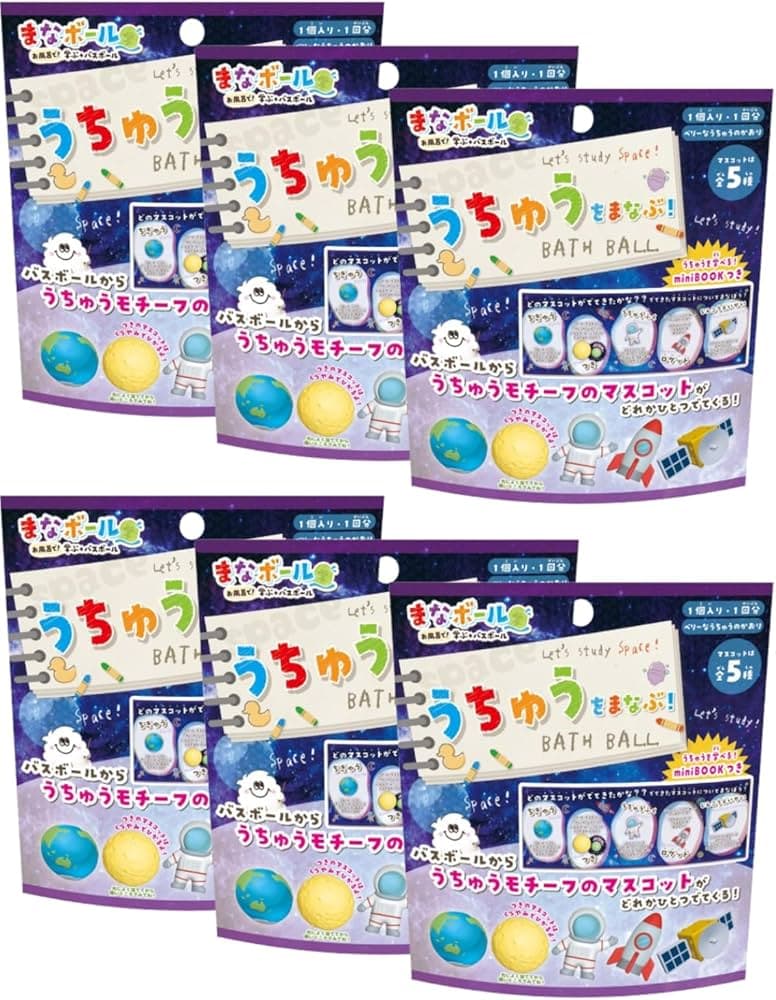
The mechanic at the center of the Manaburo Neruneruneru Bath Bomb is the same one that wrecks most first-time DIY bath bomb batches: water volume. Too much and your bomb fizzes apart before it hits the tub; too little and the powder crumbles and won't hold. What NOL CORPORATION and Oyako Smile LLC did is make both failure modes intentional.
The product, available in Japan since March 27, ships as two separate powders and a special spoon. The instructions hinge on one decision: adjust the water added during mixing and you either roll the dampened mixture into a tub-ready fizzing bomb, or you add more to trigger partial acid-base activation and generate a fluffy foam for sensory play. One kit, two outcomes, one variable.
The collaboration pairs NOL CORPORATION, based in Chofu City, Tokyo, with Oyako Smile LLC, an Osaka City venture that spun out of Rohto Pharmaceutical Co., Ltd. Oyako Smile's goal is building parent-child communication through science play; NOL's existing Manaburo line already sits in the educational bath product category. The project was announced March 29, two days after the product began shipping, and the rollout is Japan-focused.
The design owes something to Nerunerunerune, the Japanese candy brand that has been teaching kids to mix powder with water since the 1980s. Apply that same water-ratio logic to a citric acid and sodium bicarbonate base and you land exactly at the problem every bath bomb maker knows: the activation threshold.
Classic bombs run on a 2:1 ratio of sodium bicarbonate to citric acid, typically bound with witch hazel or a small amount of oil and shaped under pressure. The single biggest failure point is premature activation: moisture during mixing triggers the acid-base reaction before any bomb is formed. In bomb mode, the Neruneruneru mix stays just moist enough to bind without fully activating, similar to what a maker achieves with kaolin clay in the dry mix and a controlled spritz of witch hazel. In foam mode, the added water deliberately overshoots that threshold, generating CO2 bubbles and a foamy texture with no structural integrity. That foam reacts immediately and cannot be stored.

Compared to a classic pressed bomb, the hand-rolled version will be less dense and more variable in shape, meaning higher crumble risk at the edges, especially with small hands doing the rolling. Tub cleanup tracks the oil content; a butter-heavy binder leaves a ring. The foam mode, if it contains a surfactant like SLSA, a naturally-derived ingredient from coconut and palm oil that creates thick and luxurious foamy bubbles, can leave a thin film that a dry-pressed bomb avoids.
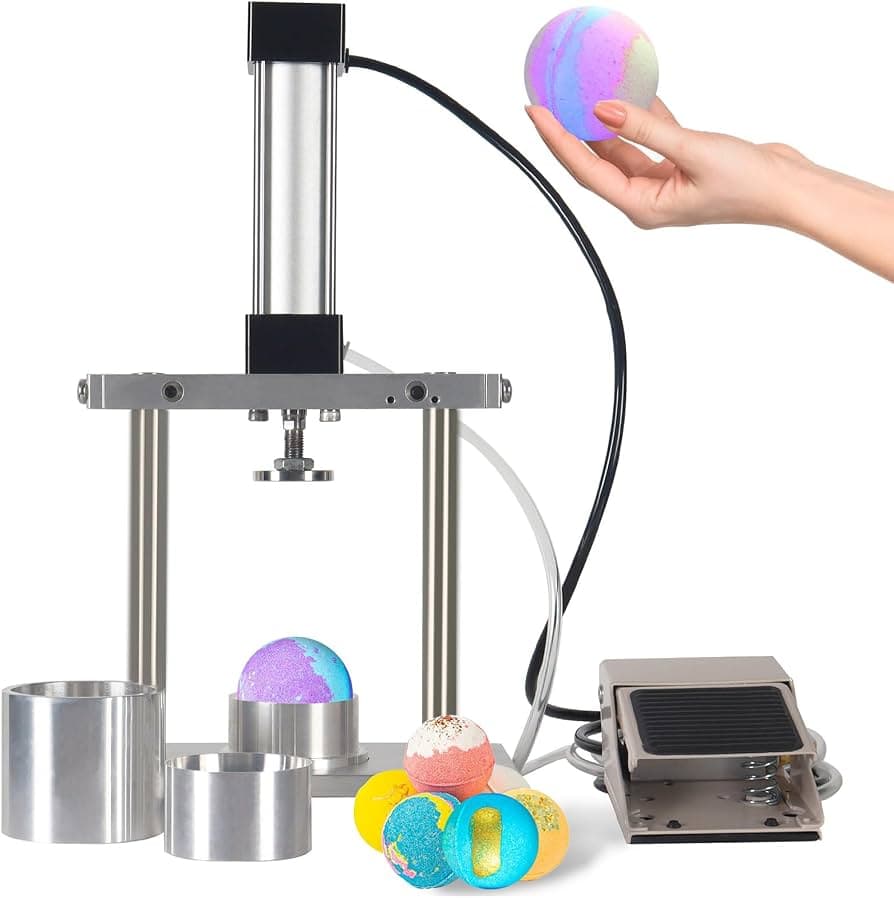
A maker can reproduce this format at home. If your bombs crack after they're out of the mold, try adding one teaspoon of kaolin clay per cup of dry ingredients, as clay absorbs moisture and helps bombs hold their shape. One to two tablespoons of cream of tartar per batch also buffers the reaction rate and gives you a wider working window when rolling by hand.
The process red flags are specific. Wet hands start the clock the moment they touch the mix, so work quickly and keep a dry towel at the station. Fragrance oils above 1% concentration are a skin sensitivity risk for children; eucalyptus and peppermint are not appropriate for kids' formulas regardless of concentration. Lake dyes in a foam-mode formula will stain the tub and everything they touch, and polysorbate 80 should not be your sole solubilizer in any product intended for children.
The global bath bomb market sits at roughly $0.92 billion in 2026, projected to reach $1.68 billion by 2035 at a 7% CAGR. A kit that compresses the moisture-control problem into a single water-ratio decision, and makes that variable a selling point rather than the cause of failed batches, is a more honest pitch to the DIY community than most hybrid toy-and-bath launches manage. For indie makers, the "play → foam → rollable bomb" format is worth reverse-engineering before the category gets crowded.
This article was produced by Prism’s automated news system from verified source data, official records, and press releases, then run through automated quality and moderation checks before publishing. The system is built and supervised by the people who set the standards it runs under. Read our full AI policy.
Did this article answer your question?