Polysorbate 80 Explained, Mixing Orders and Concentrations for Hobby Bath Bomb Makers
Polysorbate 80 is the simple, measurable fix for oily rings and patchy color in small-batch bath bombs; use a premix and aim for 1–3% of the bomb by weight for most hobby projects.
What polysorbate 80 is, in plain terms
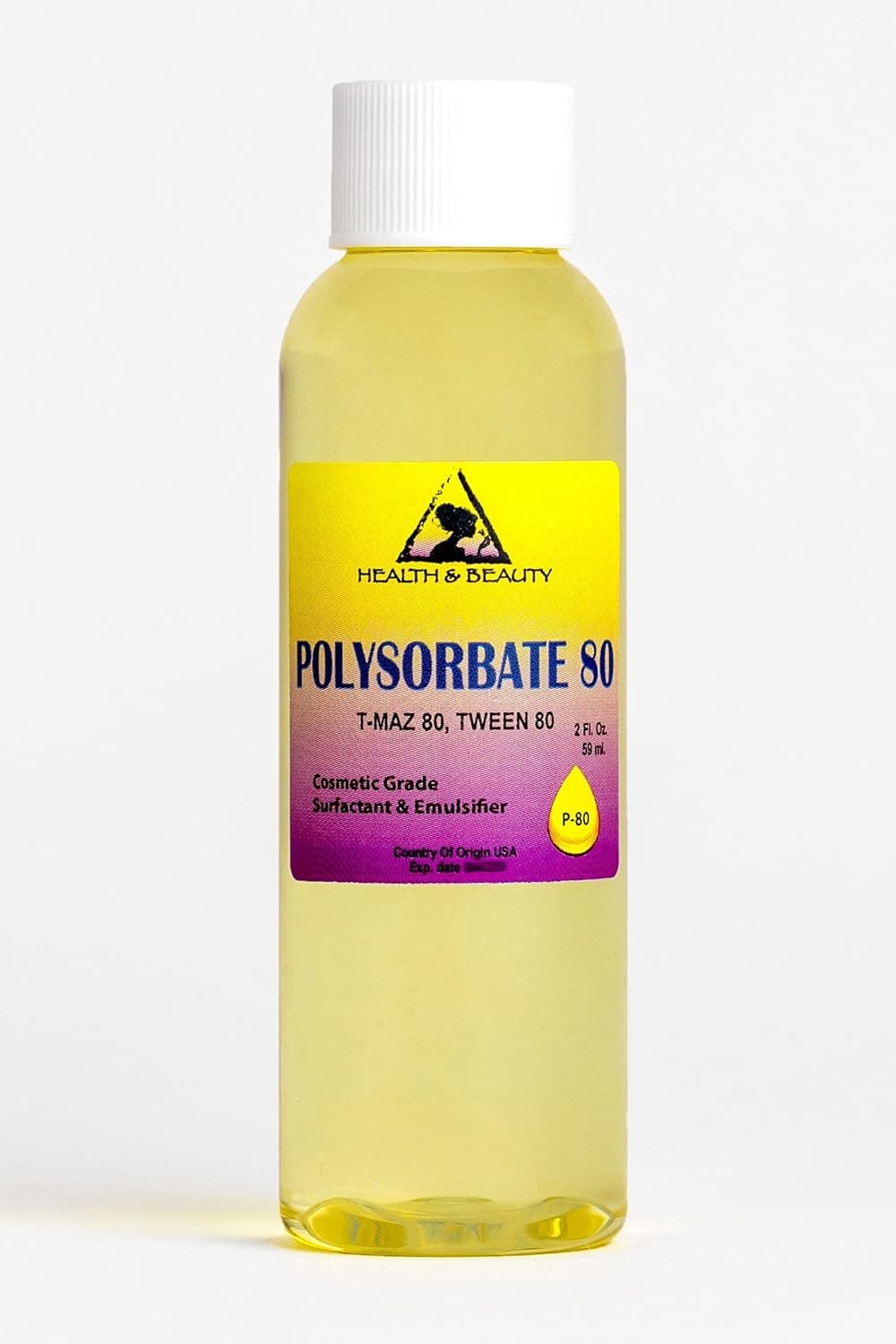
Polysorbate 80, often sold under the trade name Tween 80, is a nonionic surfactant and solubilizer used in cosmetics to disperse oils into water. ScienceInsights explained this clearly in its March 4, 2026 guide, and from hands-on testing I can confirm it behaves exactly like a bridge between oil and water: it grabs the fragrance or carrier oil and carries it into the water phase instead of letting the oil pool on the surface. That chemical behavior is why a few drops of polysorbate can change a tub from an oily mess to an even, colored soak.
Why hobby and small-batch makers use it
You want clean tubs, predictable color, and the fragrance to smell in the bath rather than cling to the tub. Hobby makers add polysorbate 80 because it prevents oil slicks, reduces staining from concentrated fragrance or color dispersions, and gives more uniform color release. ScienceInsights framed this as a practical hygiene improvement for small runs, and in my batches the trade-off is worth it: a single, well‑made bath bomb now releases color and scent evenly with no greasy residue left behind.
How polysorbate 80 changes formulation behavior
Polysorbate 80 is not a preservative or binder; it’s a solubilizer. That means it can change how your liquids interact with dry mix and with citric acid and bicarbonate. In practice you will note two main effects: surface appearance and texture. Surface appearance improves because oils are emulsified into micro-droplets that suspend in water; texture can change if you add too much, producing a slightly slick or less‑crisp bomb. ScienceInsights emphasizes measured use, and my own runs show that staying in the low single-digit percentage range keeps fizz and hardness predictable.
Mixing order: the one routine that works
The single most reliable sequence I use, and the one ScienceInsights recommends, is to premix oils and fragrance with the polysorbate before touching the dry surfactant-sensitive mix. Do this in three short steps:
1. Weigh the fragrance or carrier oil into a small glass container, then add polysorbate 80 and stir until homogeneous.
2. Add the premix slowly to your wet phase or directly into the dry mix while stirring by hand or with a low‑speed mixer to avoid clumping.
3. Finish mixing, pack molds, and dry as usual.
Premixing is crucial because pouring fragrance straight into the dry mix risks uneven pockets of oil or color that will show up as blotches in the finished bomb. Warm the polysorbate slightly (a warm water bath, not direct heat) if it’s viscous so it blends easier.
- Tip: measure polysorbate and fragrance by weight with a digital scale, not by volume; the densities differ and drops are inconsistent.
- Low: 0.5–1.0% of total bath bomb weight. Use this for very light fragrance loads or when you are nervous about altering texture. It helps a little with ring prevention without changing feel.
- Typical: 1.0–3.0% of total bath bomb weight. This is the sweet spot for most hobby makers. It handles standard fragrance loads and mica dispersions, gives even color release, and keeps the bomb’s firmness and fizz consistent.
- High: 3.0–5.0% of total bath bomb weight. Reserve this for heavy oil loads, opaque butters, or when you must solubilize a difficult oil. Expect a touch more slip in the water and pay attention to drying times.
Concentration ranges and how to pick one
ScienceInsights provides ranges for hobby use, and your choice depends on oil load and desired result. Think in three bands:
Avoid routinely exceeding 5% in small-batch bath bombs; beyond that you start to notice diminished fizz, and the water may feel soapy or slimy.
Practical examples from real batches
In a 120 g bath bomb I usually add 1.2–2.4 g of polysorbate 80 when using 2–3 g of fragrance oil; that has consistently prevented oily rings and delivered full fragrance in the tub. For a high oil formula with butters, I’ve used 4–5 g in a 120 g bomb and saw better dispersion but slightly slower drying. Those exact grams are what I tested against ScienceInsights’ recommendations and found to match the guidance for small-batch makers.
Troubleshooting common problems
If you see a sticky or slimy feel in the tub, you likely overdid polysorbate 80; cut the next batch back 25 to 50 percent. If color still pools or streaks, check your premix: insufficient mixing of fragrance and polysorbate is the usual culprit. If fizz is noticeably reduced, lower polysorbate to the low band and revisit your binder/wetting agent ratio; aggressive use can alter reaction surfaces between citric acid and baking soda. ScienceInsights covers these failure modes; real fixes are small ratio tweaks and cleaner premixing.
Safety, labeling and sourcing
Buy cosmetic‑grade polysorbate 80 and label it in your ingredient inventory. Use it sparingly and do a small skin patch test when changing concentrations. Storage is straightforward: room temperature, sealed container, away from direct heat. ScienceInsights flagged safety as a routine step for hobbyists, and my practice matches that: conservative labeling and batch notes save headaches when you tweak a formula.
- Weigh fragrance and polysorbate and make a premix, 1:1 by weight to start and adjust for heavy oils.
- Add premix slowly to dry mix while stirring.
- Aim for 1–3% polysorbate 80 of total bomb weight for most projects.
- Reduce if you notice softness, sluggish fizz, or slippery bath water.
- Use cosmetic grade product and keep batch records.
Final practical checklist before you mix
Polysorbate 80 is not a miracle cure, but it is the simplest, fastest way to stop oil slicks and get reliable color and scent in small batches. Follow the premix routine, respect the 1–3% working range for most hobby projects, and you’ll save cleaning time and customer complaints while keeping fizz and texture where you want them. ScienceInsights’ March 4, 2026 guide lays out the same practical path, and my tests back that approach as the most repeatable for hobby bath bomb makers.
This article was produced by Prism’s automated news system from verified source data, official records, and press releases, then run through automated quality and moderation checks before publishing. The system is built and supervised by the people who set the standards it runs under. Read our full AI policy.
Did this article answer your question?