PureFx Shares Step-by-Step Guide for Making Bath Bombs at Home
PureFx breaks down the full bath bomb process for home makers, covering every step from dry mixing to final cure.

Making bath bombs at home looks deceptively simple until your first batch fizzes prematurely in the bowl, clumps into a crumbly mess, or refuses to release cleanly from the mold. PureFx, a New Zealand-based supplier specializing in soap, candle, and bath-making supplies, knows this frustration well — and their step-by-step primer cuts straight to the techniques that actually prevent those failures.
The guide is written specifically for hobbyists and small-batch makers, which means it doesn't assume you have commercial mixing equipment or a humidity-controlled workspace. That practical framing matters, because bath bomb chemistry is sensitive to real-world conditions: ambient moisture, mixing speed, and ingredient ratios all interact in ways that can make or break a batch.
Understanding the core chemistry
At the heart of every bath bomb is the reaction between an acid and a base. Citric acid and baking soda (sodium bicarbonate) are the two workhorses. When they stay dry, nothing happens. The moment water enters the equation — whether from your bath or from atmospheric humidity sneaking into your mix — the fizzing reaction kicks off. Your entire process as a maker is essentially about controlling when that reaction happens.
Getting the ratio right is foundational. Too much citric acid and the bomb fizzes aggressively but briefly; too much baking soda and the reaction is sluggish and incomplete. Most reliable formulations sit somewhere around a 1:2 ratio of citric acid to baking soda by weight, though experienced makers often tweak this based on the other ingredients they're adding.
Gathering your ingredients and equipment
Before you mix a single gram, having everything measured, organized, and within arm's reach is non-negotiable. Stopping mid-process to search for your colorant or fumble with a bottle of fragrance oil gives atmospheric moisture extra time to activate your mixture.
Core ingredients for a basic batch include:
- Baking soda (sodium bicarbonate)
- Citric acid
- Cornstarch or arrowroot powder (to slow the reaction and improve skin feel)
- A carrier oil such as sweet almond, coconut, or sunflower
- Fragrance or essential oil
- Colorants (micas, oxides, or water-soluble dyes)
- A small amount of polysorbate 80 if you want the oils to disperse in bathwater rather than leaving a ring on the tub
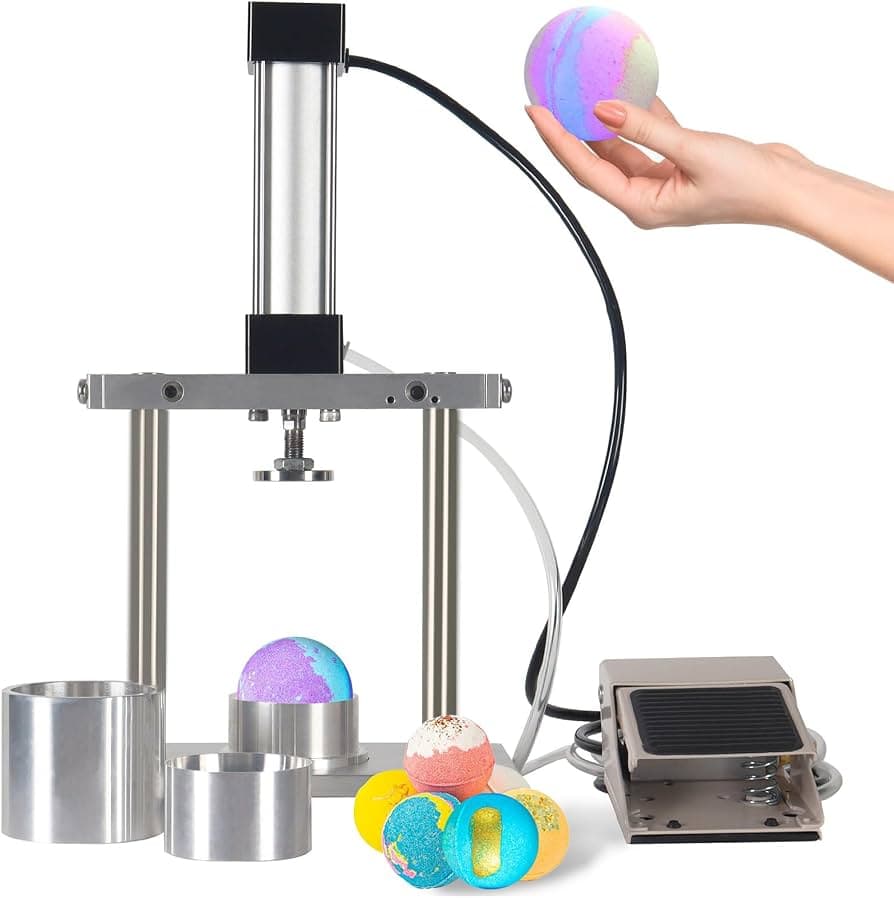
On the equipment side, you'll need a digital kitchen scale accurate to at least one gram, two mixing bowls (one for dry ingredients, one for wet), a whisk, a sieve or sifter, and your molds. Bath bomb molds come in metal and plastic; metal conducts cold better and tends to release more cleanly, but plastic is cheaper and easier to find in novelty shapes.
Mixing dry and wet components separately
The technique that separates clean, consistent bath bombs from lumpy disasters is keeping your dry and wet components in separate bowls until the very last moment. Sift your baking soda, citric acid, and cornstarch together in one bowl to break up any lumps. In a separate container, combine your carrier oil, fragrance, and any liquid colorant.
The wet ingredients then get added to the dry ingredients very slowly — and this is where most beginners go wrong. Drizzling the oils in too fast, or pouring rather than spraying, introduces localized moisture that triggers the reaction before you've fully incorporated everything. Some experienced makers use a small spray bottle to mist the wet component in while stirring constantly. The target texture is a mixture that just barely holds its shape when squeezed in your fist, like slightly damp sand.
Pressing and molding
Work quickly once your mixture is at the right consistency. Overfill both halves of your mold, press them together firmly, and give a slight twist before pulling the halves apart. The twist helps release any air pockets and gives the bomb a tighter seam. Don't tap or bang the mold on the counter to release; that pressure can crack a bomb that hasn't fully set.
Set your unmolded bath bombs on a sheet of parchment paper and leave them undisturbed. Resist the urge to move or stack them for at least 24 hours. In a high-humidity environment, you may need longer, and you might see the surface begin to pebble or "sweat" if moisture is getting in. A low-humidity room or a turned-off oven (just from the residual warmth of the pilot light) can serve as a makeshift drying chamber.
Adding color and fragrance with intention
Colorants and fragrance oils aren't just aesthetic choices; they affect your formulation. Certain fragrance oils contain vanillin, which will turn your white bath bomb a tan or brown color over time. If you're working with micas, mixing them into your carrier oil before adding them to the dry blend gives much more even color distribution than trying to fold dry mica powder into an already-mixed batch.
Skin-safe cosmetic-grade colorants are a must. Candle dyes, food coloring gels, and craft-store pigments may not be tested for skin contact at bath concentrations. Since PureFx supplies materials across soap, candle, and bath categories, the distinction between cosmetic-grade and non-cosmetic-grade ingredients is one they flag clearly for makers working across multiple crafts.
Common pitfalls and how to avoid them
A few problems show up in almost every beginner's first few batches:
- Cracking: Usually caused by too much moisture in the mix or from the humidity in the drying environment. Reduce your liquid oils slightly and dry in a lower-humidity space.
- Premature fizzing in the bowl: Your wet ingredients are being added too quickly, or your workspace is too humid. Try chilling your oils slightly before mixing.
- Bath bombs that won't release from the mold: The mixture was too dry when pressed. Add a tiny additional amount of oil, re-mix, and re-press.
- Bombs that expand or "mushroom" on the flat side: This is a classic humidity problem; the surface is reacting with moisture in the air before it sets.
Packaging and storage
Once fully cured, bath bombs are still vulnerable to humidity. Shrink-wrap each bomb individually or seal them in airtight bags with a small silica gel packet. Store in a cool, dry place away from direct sunlight, which can fade colorants and degrade fragrance. Properly stored, a well-made bath bomb will stay fizzy and fragrant for up to six months.
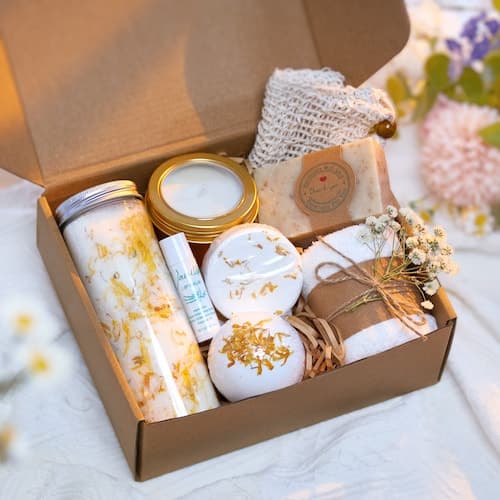
If you're giving them as gifts or selling small batches, labeling matters. In New Zealand and most markets, products applied to the body require an ingredient list. Since PureFx operates and supplies within that regulatory environment, their guidance reflects local compliance considerations that small-batch makers should take seriously before moving from hobby to sale.
Getting bath bombs right is a process of iteration. Your first batch will teach you more about your specific ingredients, your workspace humidity, and your technique than any written guide can fully anticipate. The fundamentals PureFx lays out give you a reliable framework to start from; the refinements come with practice.
This article was produced by Prism’s automated news system from verified source data, official records, and press releases, then run through automated quality and moderation checks before publishing. The system is built and supervised by the people who set the standards it runs under. Read our full AI policy.
Did this article answer your question?