Selling Homemade Bath Bombs: Labels, Safety Tests, and Key Compliance Tips
Turning your bath bomb hobby into a business means navigating labels, safety testing, and compliance rules that can make or break your first sale.
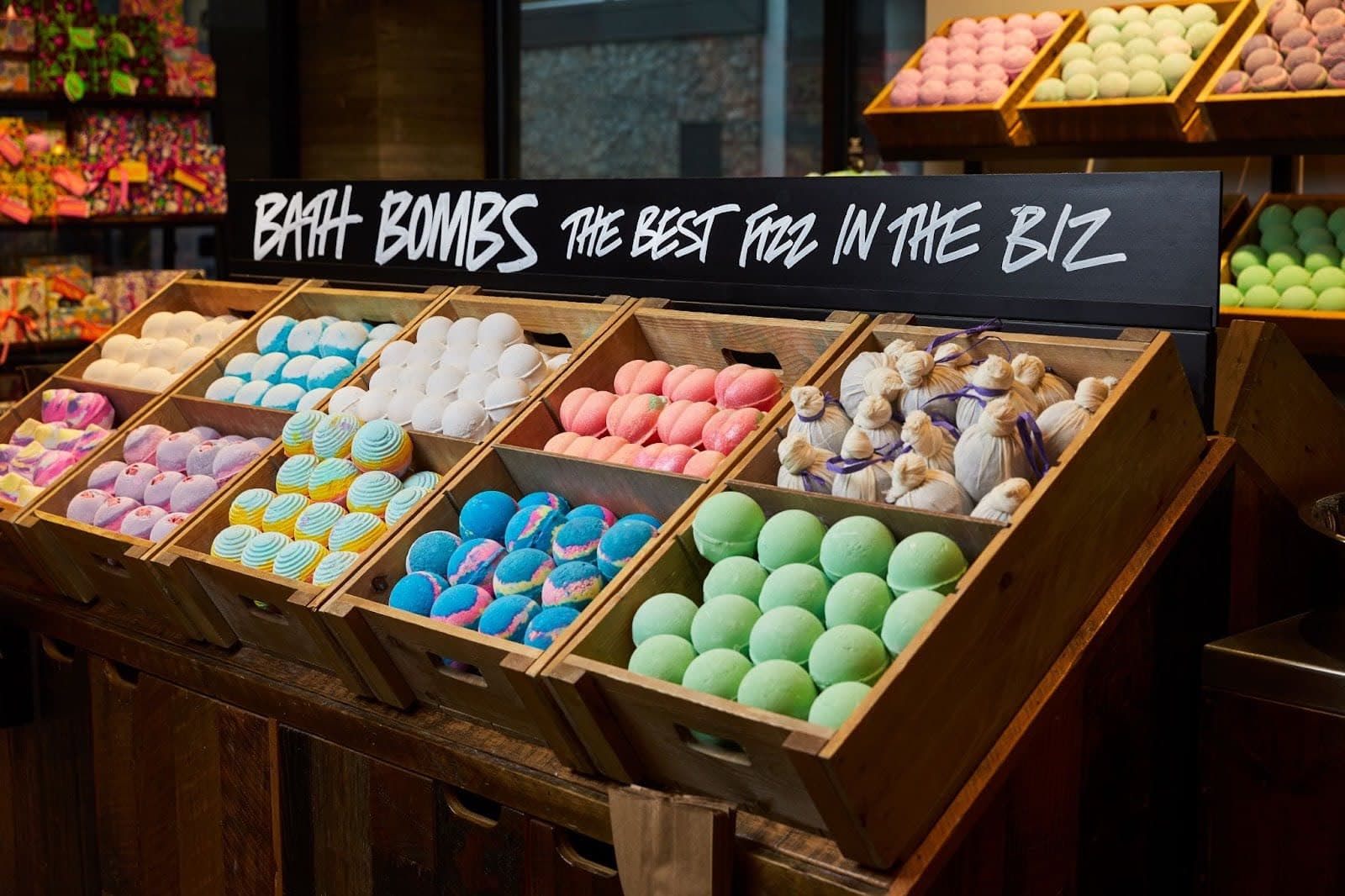
Making bath bombs for yourself is one thing. Selling them is a completely different game, and the gap between a fun hobby and a legitimate micro-business comes down to three things: how you label your products, whether you've tested them properly, and how well you understand the compliance landscape for cosmetics. Whether you're planning to open an Etsy shop, set up at a farmers market, or pitch a local boutique, the rules apply the same way.
Understanding why bath bombs are regulated as cosmetics
Bath bombs aren't just craft projects once money changes hands. In most markets, including the United States and the European Union, a product applied to the body for cleansing or beautifying purposes is classified as a cosmetic, and cosmetics are regulated. In the US, that means the FDA has jurisdiction under the Federal Food, Drug, and Cosmetic Act. In the EU and UK, there are separate but similarly structured cosmetic regulations. The moment you sell a bath bomb, you're operating in that regulatory space, whether you know it or not. The good news is that compliance at the small-batch, micro-business level is very achievable if you approach it methodically.
Getting your labels right
Labeling is the single area where small makers most commonly get caught out, and the mistakes are usually avoidable. A compliant US label for a cosmetic product needs to include the product's net weight or volume, your business name and address (or the address of the responsible party), a complete ingredient list in descending order of predominance using INCI names, and any required warnings. INCI names, the International Nomenclature of Cosmetic Ingredients, are the standardized names used across the industry. "Lavender essential oil" on your label needs to read as "Lavandula Angustifolia (Lavender) Oil." There are free INCI lookup databases online that make this step straightforward.
Font size matters too. The FDA specifies minimum type sizes based on the surface area of the label, so you can't just squeeze your ingredient list into 4-point type and call it done. If you're selling into the EU or UK, the requirements are similar in structure but have some key differences, including a mandatory shelf-life or period-after-opening symbol for products that don't stay stable for 30 months or more. A PAO symbol, that little open jar with a number and "M" on it, tells consumers how long the product is safe to use after opening.
Keep every label version you've ever printed, along with the formula it corresponds to. If you change a fragrance supplier and the new oil has slightly different components, that's a label update. Good record-keeping protects you.
Safety testing: what it actually means for small batches
The phrase "safety testing" sounds expensive and intimidating, but it's worth understanding what it involves before you assume it's out of reach. At its core, safety testing for a bath bomb means assessing that the finished product won't cause harm to a person who uses it as intended. This covers skin irritation, pH levels, microbial contamination, and stability over time.
For micro-businesses, the most practical starting point is pH testing. Bath bombs are inherently alkaline, but an excessively high pH can be irritating or damaging to skin. A simple pH meter or testing strips will tell you where your finished product lands. You want a dissolved bath to sit at or near skin-neutral pH, typically in the 6-8 range, once diluted in a full tub of water. Testing at full concentration isn't the relevant measure because no one is soaking in undiluted baking soda and citric acid.
Stability testing is another non-negotiable. Leave samples in different storage conditions, warm temperatures, high humidity, and normal room conditions, and observe them over weeks. Premature fizzing, color bleeding, or crumbling tells you something in the formula or packaging isn't working. Documenting these tests is as important as running them.
For EU/UK sellers, a safety assessment conducted by a qualified cosmetic safety assessor is a legal requirement, not optional. These professionals review your formula, your ingredient safety data, and your manufacturing process and issue a safety assessment report. The cost varies, but many assessors who work with indie cosmetic brands are experienced with small-batch products and price accordingly.
Manufacturing standards and your workspace
You don't need a pharmaceutical-grade clean room to make bath bombs, but you do need a dedicated, clean, and organized workspace. Cross-contamination from food preparation areas is a real concern. Your bath bomb ingredients should be stored separately from food, your equipment should be used only for cosmetics production, and your workspace should be cleanable.
Good Manufacturing Practices, often abbreviated GMP, are a set of guidelines that cover everything from how you receive raw materials to how you store finished goods. ISO 22716 is the internationally recognized GMP standard for cosmetics. You don't need formal certification at the micro-business level, but reading through ISO 22716 will give you a solid framework for setting up your process correctly from the start.
Batch records are your paper trail. For every batch you make, record the date, the formula version, the lot numbers of every ingredient, the quantities used, and any observations during production. If a problem ever comes up with a specific product, a batch record lets you trace exactly what went into it.
Fragrance allergen disclosure
This one trips up a lot of makers. Both the EU and UK cosmetic regulations require that certain fragrance allergens be listed individually on the label if they're present above specific concentration thresholds. There are 26 listed allergens under the EU framework, and the list has been under review for expansion. If you're using fragrance oils or essential oil blends, you need to ask your supplier for full component breakdowns, then cross-reference against the allergen list to determine what needs to be disclosed.
Even if you're only selling in the US, where this specific requirement doesn't currently exist at the federal level, voluntary allergen disclosure is increasingly expected by informed consumers and can reduce your liability exposure.
Insurance and documentation
Product liability insurance is not glamorous, but it's one of the most important investments you'll make before your first sale. Policies designed for small cosmetics businesses are available and generally affordable at low revenue levels. Organizations like the Handmade Cosmetic Alliance and similar groups sometimes offer members access to group insurance programs worth investigating.
Your documentation package should include your formulas, batch records, ingredient safety data sheets, test results, and label versions. This isn't just bureaucratic box-ticking; it's the material that demonstrates you operated responsibly if a complaint ever arises.
What changes as you scale
Starting small and staying small has its own compliance profile. Selling 50 units at a local market looks different from shipping 500 units per month through an online store or supplying a regional retailer. As your volume grows, some compliance steps that were informal become more critical to formalize. A retailer, particularly a larger one, may request documentation including your safety data and insurance certificate before they'll stock your product.
The foundation you build now, clean labels, tested formulas, organized records, and appropriate insurance, is the same foundation a scaled-up operation runs on. Getting it right from batch one means you're not retrofitting compliance after the fact, which is always harder and more expensive than doing it correctly from the start.
This article was produced by Prism’s automated news system from verified source data, official records, and press releases, then run through automated quality and moderation checks before publishing. The system is built and supervised by the people who set the standards it runs under. Read our full AI policy.
Did this article answer your question?