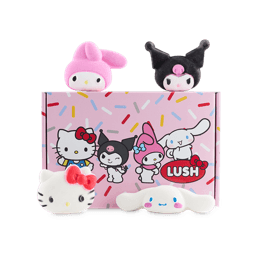
Surprise bath bombs add toys, sensory play and gift appeal
Toy-filled bath bombs are booming because they turn bath time into a reveal, but the safest buys spell out age limits, ingredients and toy size.
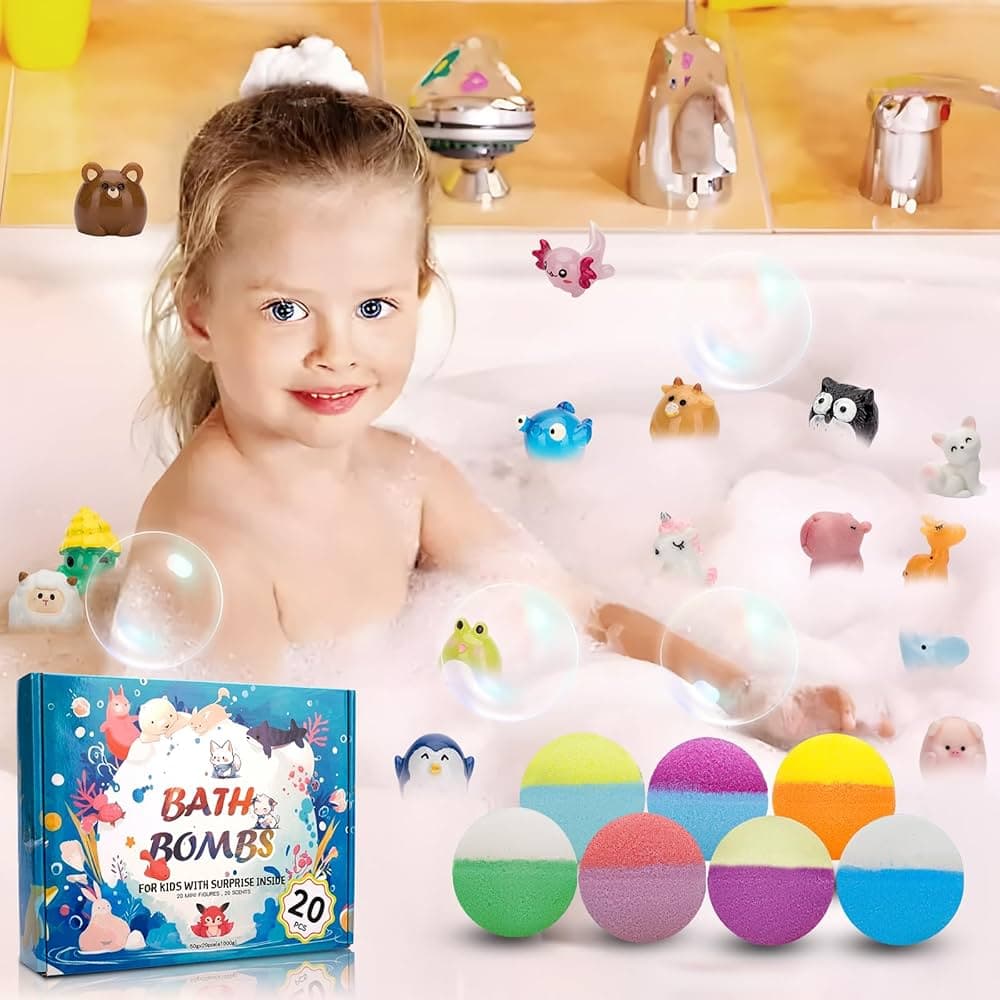
Surprise bath bombs are moving from novelty to giftable kids’ staple because they do three jobs at once: they fizz, they entertain, and they hand a child a toy at the end of the soak. The best versions lean into the reveal, with bright color swirls, fragrance, and a payoff that lasts about four to six minutes, which is enough time to feel like an event instead of a quick bath additive. That same appeal is why these products now sit right at the intersection of sensory play, small-occasion gifting and parent caution.
Why this category keeps growing
The commercial pull is obvious. A 2026 market report pegs the bath bomb market at $1.86 billion in 2026, up from $1.71 billion in 2025, with growth projected to continue toward $2.57 billion by 2030. That puts surprise bath bombs inside a much larger self-care and home-spa business, but the toy-inside format gives the category a sharper kid-facing angle than a plain fizzy ever could.
Wisebabychoices captures the shape of the niche well. The products are framed around playful themes like jungle animals, sea creatures, puppies and unicorns, all bundled with a surprise figurine and kid-friendly scent profiles such as strawberry and lavender. The point is not just that the bath water fizzes, but that the whole thing feels like a little reveal, which is exactly why these sets keep turning up as birthday gifts, Easter basket fillers and stocking stuffer-style purchases.
What a clear listing tells you
The strongest listings tell you more than the scent and the packaging. They spell out age guidance, explain that the toy is hidden inside, and say whether the bath bomb is meant for supervised use by children roughly three to ten years old. That kind of labeling matters because a parent can judge the product in one glance instead of trying to decode a cute box covered in bubbles and cartoon animals.
The vague listings are usually the ones that lean hardest on mood. They talk about being handmade, a small business, or sensitive skin friendly, but skip over the practical questions that matter most: what age is it for, how big is the toy, and what happens if a child is under three. If the label spends more time on bubble gum, cotton candy or mango than on safety details, treat that as a sign to read more carefully.
The format also shows up in larger multipacks, including 24-piece puppy themes and 32-piece glow-toy assortments, which tells you the seller is betting on repeat use and repeat gifting. That can make the price easier to justify, but only if the pack is actually varied enough to keep the surprise fresh.
The safety questions that should come first
This is where surprise bath bombs stop being a cute buy and start being a consumer-safety check. The U.S. Consumer Product Safety Commission says children’s products intended for use by children under 3 that present choking, aspiration or ingestion hazards because of small parts are banned hazardous substances, and a small part is defined by whether it fits entirely into the small-parts cylinder. If the toy inside the bath bomb is tiny enough to raise that question, the product is not something to hand to a toddler.
Moisture can be another problem, and not just for the bath itself. In 2026, the U.S. Consumer Product Safety Commission recalled Surreal Brands’ Tubby Tots Fizzy Flask Bath Magic bath foam sets because moisture trapped inside the container could build pressure and eject pieces when opened, creating an impact hazard. That recall is a good reminder that the risk is not always the toy alone; packaging, sealing and the way the product opens all matter in a bath product marketed to children.
The practical takeaway is simple: look for explicit age limits, clear toy warnings and honest pack descriptions. A product that treats the surprise as the whole selling point without explaining the toy size or the intended age range is asking you to take a leap you do not need to take.
Skin comfort still matters
The bath bomb has to work as a bath product before it works as a toy carrier. Wisebabychoices notes plant-based dyes and essential oil-inspired fragrances, and positions the bombs as gentle enough for sensitive skin and tubs, which is the right direction for a product that lives in bathwater. In this category, the best case is a bath bomb that gives you color and scent without staining the tub or turning the water into a chemistry set.
That said, fragrance is still a selling point, and scent-heavy products can be the very thing that draws kids in. Amazon listings in this space push scent assortments like bubble gum, cotton candy, lavender, mango and strawberry, and they also lean on words like sensitive skin, handmade and small business. That mix tells you exactly how the category is being sold: as playful enough for a child, but soft-edged enough to reassure a parent.
What you want to see is ingredient transparency. The U.S. Food and Drug Administration says products intended to be applied to the body to make a person more attractive are cosmetics, and cosmetics sold at retail, including online, must have an ingredient list. That is the kind of label detail that helps you decide whether a scented bath bomb is a fun splurge or a skip.
Is the reveal worth the premium?
Sometimes yes, but only when the product actually delivers a distinct experience. A toy-in-bath-bomb set earns its higher price when the reveal is obvious, the fizz lasts long enough to build anticipation, and the toy is large enough to be handled safely by the intended age group. The premium feels less justified when a pack is just a pile of similar scents with a tiny trinket tucked inside.
The value is in the activity. These sets stretch bath time, turn cleanup into part of the routine, and give kids something to look for besides bubbles and color. When the labeling is clear and the formulation is gentle, the surprise format can feel smarter than a standard bath bomb because it doubles as play.
What makes the best buys stand out is not just the toy inside, but the honesty around it. Clear age guidance, a readable ingredient list, and a realistic description of the surprise make the difference between a smart gift and a shelf-full of marketing. In a category built on a reveal, the safest version is still the one that tells you enough before the bath ever starts.
This article was produced by Prism’s automated news system from verified source data, official records, and press releases, then run through automated quality and moderation checks before publishing. The system is built and supervised by the people who set the standards it runs under. Read our full AI policy.
Know something we missed? Have a correction or additional information?
Submit a Tip