University of Utah class teaches how to make bath bombs that fizz properly
This Utah class zeroes in on the bath-bomb mistakes that ruin batches, from crumbling dough to fizzing too soon, and it is already full with a waitlist.
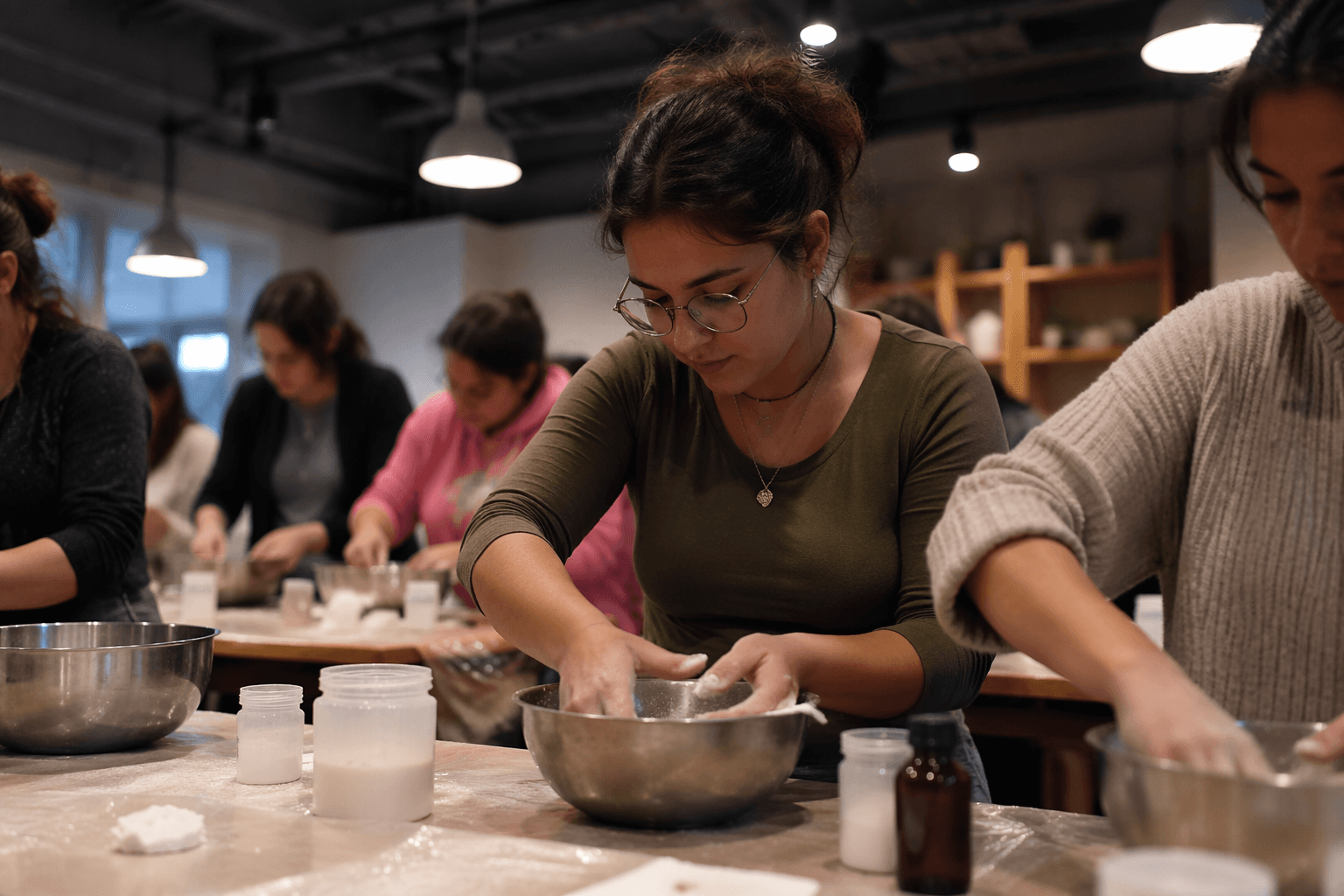
Bath bombs fail in the same few ways: they crumble in the mold, they start fizzing before they ever hit water, or they come out with a weak scent that disappears fast. The University of Utah Lifelong Learning class on Homemade Bath Bombs and Shower Steamers is built around fixing those problems, not just making something cute for the counter.
What the class is really teaching
This is an in-person skills session, not a casual craft demo. The listing says the point is to learn the secret to making bath bombs and shower steamers that wait to fizz until they reach the bath or shower, which gets straight to the heart of the beginner problem most people run into first. The program also says the finished products can use natural ingredients that enrich a bath or bring aromatherapy to a shower, and that they are inexpensive and easy to make once the process is understood.
That matters because bath-bomb making looks simple right up until humidity, mixing, and timing get involved. Anyone who has ever watched a batch swell, crack, or powder apart knows the gap between a pretty recipe and a usable bath bomb can be maddeningly small. A class that focuses on the chemistry behind the fizz is valuable because it gives you a repeatable method instead of another round of trial and error in your own kitchen.
When, where, and what it costs
The class begins June 22, 2026 and runs from 6:00 p.m. to 8:00 p.m. It meets in person at the University Connected Learning and Continuing Education building at 540 Arapeen Drive in Salt Lake City. Tuition is $39, and the materials fee is $25, bringing the total to $64.
The logistics are straightforward, which is part of the appeal. Students are told to bring an apron, while the special fee covers all other materials. The section is full, so anyone trying to get in has to join the waiting list. That kind of demand fits a class that sits inside the University of Utah Lifelong Learning lineup for Summer 2026, where practical wellness and craft instruction is treated as a real skill set rather than a novelty.
Carrie Roberts is the instructor, and she is not just teaching this one class. The university also lists her for Soapmaking on July 8, 2026 and Homemade Lotions and Creams on July 15, 2026. That puts this bath-bomb session in a larger bath-and-body sequence, which is useful if you want to move from one-off projects into a better grasp of how these products are actually built.
Why the chemistry matters more than the cute shapes
The biggest takeaway from a class like this is that bath bombs are chemistry first and craft second. If you want a batch that releases in the tub instead of in the mixing bowl, you need to understand how the ingredients behave when moisture gets involved. That is where a hands-on class pays off more than a free tutorial, because it can show you when the mix is dry enough, when it is too wet, and how to keep the whole batch from collapsing before it is packed.
That practical side is what hobbyists usually chase after a few ruined attempts at home. A lot of people come to bath bombs through gift-making, self-care projects, or a small-business idea, then discover that a pretty recipe card does not solve the real problems. A workshop that talks through the chemistry behind the fizz gives you something more valuable than a one-time craft result: it gives you a way to stop wasting materials on batches that fail the same way every time.
Ingredients, scent, and safety are part of the lesson too
Bath bombs may feel like a modern DIY staple, but the product has a specific origin story. Background sources credit Mo Constantine, co-founder of Lush Cosmetics, with inventing the bath bomb in 1989, inspired by fizzy tablets such as Alka-Seltzer. That history matters because it shows how a late-20th-century beauty idea turned into a mainstream homemade product with its own technique and expectations.
It also brings up the safety side. The U.S. Food and Drug Administration says companies and individuals who market cosmetics have a legal responsibility to ensure product safety, and the agency warns that some people can be allergic or sensitive to fragrance ingredients. A regulatory source adds that each ingredient used in a cosmetic product, and each finished cosmetic product, must be adequately substantiated for safety before marketing. If a bath-bomb hobby ever turns into gifts, sales, or even just a lot of test batches shared with friends, those rules matter as much as the scent blend.
Why shower steamers belong in the same conversation
The class does not stop at bath bombs, which makes sense. DIY shower steamer guides usually treat shower steamers as a bath-bomb-like, aromatherapy-focused alternative for people who want the scent experience without a soak. They show up often as gifts and wellness products, and that makes them a natural companion to bath bombs in any serious beginner class.
The market numbers back up that broader interest. One market report values the global bath bomb market at USD 1.38 billion in 2024 and projects it to reach USD 2.49 billion by 2034. Another estimates the market at USD 2.12 billion in 2025 and forecasts USD 3.76 billion by 2034. Whatever number you use, the direction is the same: this is no longer a niche craft item hiding at the edge of the self-care shelf.
That is why a class like this is more useful than another hour of scrolling through free tutorials. It is built for the exact problems that trip people up, and it treats the fizz as something you can control instead of something you hope will work. Get that part right, and the bath bomb does what it is supposed to do: wait quietly in your hands, then wake up in the tub.
This article was produced by Prism’s automated news system from verified source data, official records, and press releases, then run through automated quality and moderation checks before publishing. The system is built and supervised by the people who set the standards it runs under. Read our full AI policy.
Know something we missed? Have a correction or additional information?
Submit a Tip