Toronto's Big Beer Soap Company Teaches Bath Bomb Craft in Hands-On Workshop
Big Beer Soap Company's two-hour bath bomb class yields six finished bombs and a calibrated formula, but the real math question is whether $80 beats your first three ruined DIY batches.
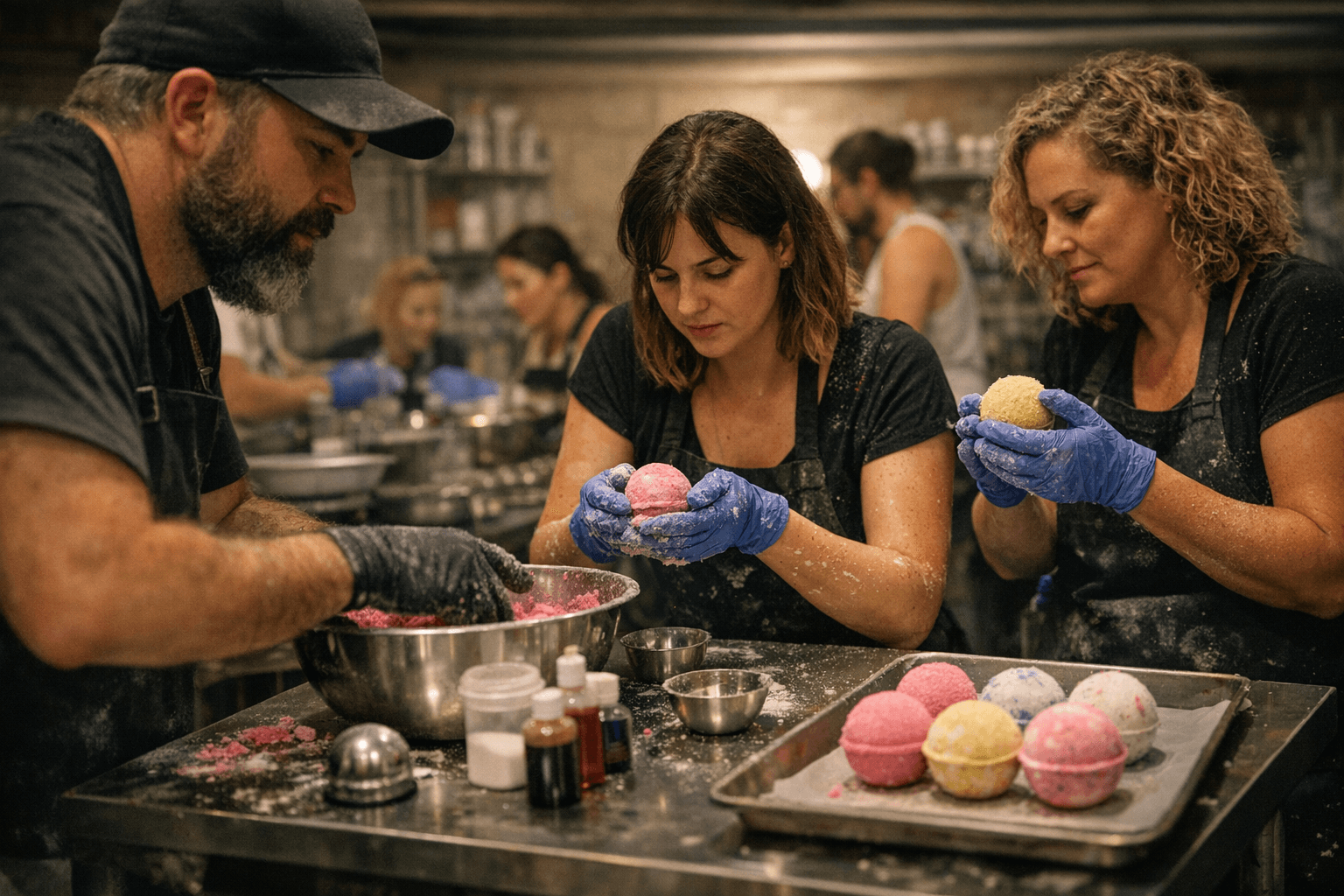
Two parts baking soda, one part citric acid by weight: that is the entire chemistry of the bath bomb. The ratio is not complicated. What is complicated is keeping that reaction from triggering before the bomb ever reaches a tub. Get the moisture balance wrong, introduce a fragrance oil too fast, or work in a humid kitchen, and the CO2 you're saving for the bath activates right there in the mixing bowl. That failure mode, and four others like it, are exactly what Big Beer Soap Company's Bath Bomb and Shower Steamer Workshop was built to address.
The March 29 session at the company's Annette Street studio in Toronto ran two hours and guaranteed each participant a take-home yield of at least six finished bombs. At the workshop's $80 ticket price, that pencils out to just over $13 per bomb in class fees alone. The comparable DIY material cost, once you have bought bulk baking soda, citric acid, cornstarch, and a carrier oil, runs between $0.50 and $1.50 per unit. The math looks like an obvious case for going solo. It is not.
The problem with skipping the class is the startup failure rate. First batches crumble, crack, or pre-fizz before most beginners know what they did wrong. The Big Beer curriculum covered four areas that DIY tutorials rarely address with precision: standard ingredient ratios, colorant and scent selection, hands-on frosting and embed techniques, and formulation adjustments for humidity and temperature. That last module has the highest practical return. Citric acid is hygroscopic, meaning it pulls ambient moisture and begins reacting before any water is added. The workshop listing explicitly covered how to "formulate your recipe for different weather conditions," a direct acknowledgment that a formula working in a dry January kitchen will fail on a humid Toronto afternoon in July.
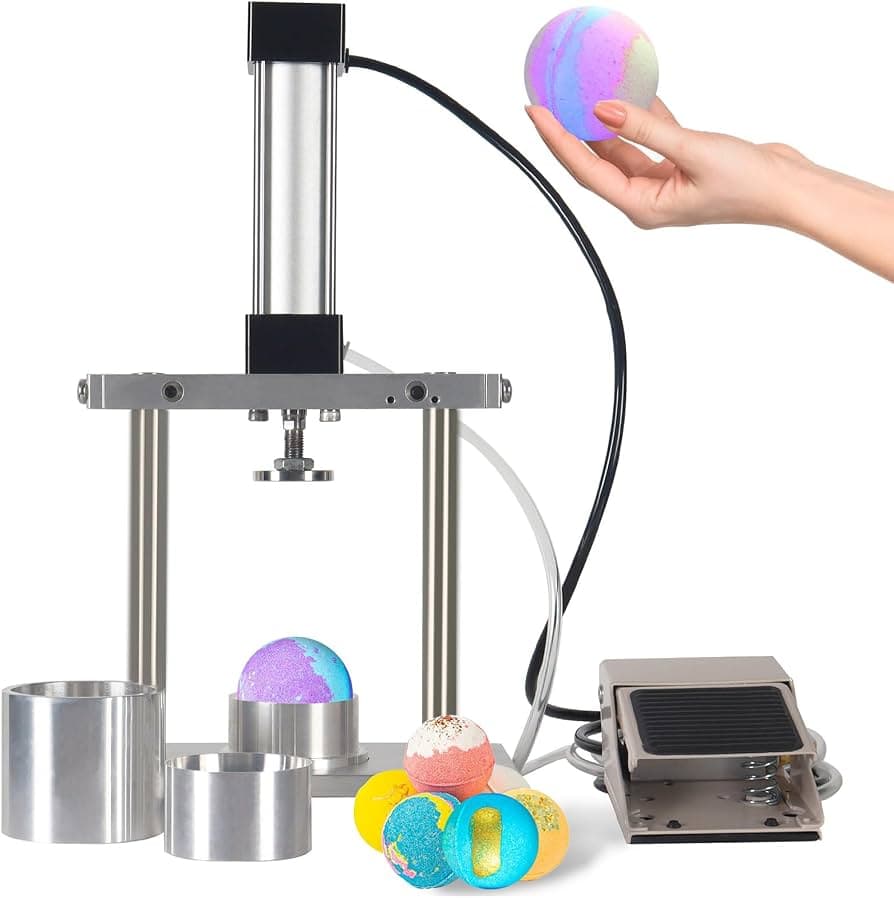
Building this practice at home requires less equipment than most starter guides claim. A digital kitchen scale is non-negotiable; ratios cannot be eyeballed. A 2.5-inch sphere mold and two separate mixing bowls, one dry and one wet, complete the core kit. Buy baking soda and citric acid in bulk rather than small retail bags, and skip the pre-packaged starter kits: they rarely include citric acid at the correct proportion and the molds warp after a few uses.
The five failure points that derail beginners are consistent regardless of recipe source. Over-wetting is the most common: liquid colorants or fragrance oil added too quickly activates the fizz in the bowl. Pre-fizzing from ambient humidity is second, solved by working quickly in a dry room. Crumbling points to a carrier oil deficit; a small addition of sweet almond oil corrects it. Cracking after demolding usually means the mold was released too soon or the halves were pressed unevenly. Uneven color distribution is fixed by mixing colorant into the wet ingredients before combining with dry, never the reverse.
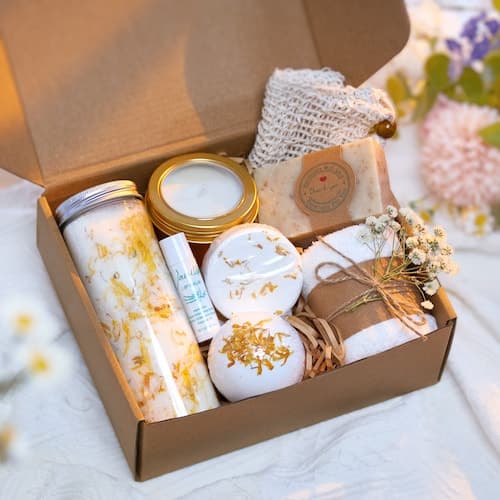
The cocoa-butter frosting technique covered in the Big Beer session is the detail that separates a functional product from a retail-ready one. Piped onto the bomb after demolding, it adds both a visual hook and a secondary moisturizing layer that bare spheres lack. For makers testing seasonal scent profiles or new embed combinations, the $80 class fee is less a craft expense and more a compressed research session. Six working bombs, a calibrated formula, and a set of failure-mode diagnostics are a harder return on investment to argue with than the per-unit math implies.
This article was produced by Prism’s automated news system from verified source data, official records, and press releases, then run through automated quality and moderation checks before publishing. The system is built and supervised by the people who set the standards it runs under. Read our full AI policy.
Did this article answer your question?