Two Easter Bath Bomb Recipes With Hidden Color Surprises Inside
Hide spring yellow inside a white shell or tuck flower petals into the core: two Easter bath bomb recipes with a reveal that actually surprises.

Spring DIY doesn't get a better payoff than this: a plain white bath bomb hits the water, and as it slowly fizzles down, a shock of bright yellow blooms up from the centre, colouring the bath like a chick breaking out of its shell. That's the premise behind two Easter bath bomb recipes developed by Olivia Smith for TheSoapery, a U.K.-based soap and bath supplier. Both recipes make three bath bombs each, and both hide something inside worth waiting for.
Easter Surprise Bath Bomb
"Nothing says Easter like hatching eggs!" is how Smith opens this one, and the visual effect earns the enthusiasm. The outside of the bath bomb is completely white; as it fizzs away in the tub, a bright spring yellow is revealed from the core, colouring the water, as the recipe puts it, "like a chick emerging from its shell." The contrast between the clean white exterior and the warm yellow centre is what makes this one land at Easter specifically rather than just any spring occasion.
The method runs seven steps:
1. Mix the dry ingredients together
2. Add the wet ingredients
3. Add the citric acid
4. Test for moulding
5. Fill your moulds with the white mixture
6. Fill your moulds with the yellow mixture
7. Unmould the bath bombs
The key structural move is in steps 5 and 6: you're building a two-layer bomb, white on the outside and yellow packed into the core. The citric acid goes in as its own dedicated step (step 3) rather than being mixed in with the rest of the dry ingredients from the start, which is worth noting if you're used to recipes that combine everything dry at once. The "test for moulding" step is standard bath bomb practice: squeeze a small amount of mixture in your fist and check that it holds together without crumbling before you commit to filling the moulds. If it's too dry, it won't compress properly and the bomb will crack when unmoulded.
The exact colourant used to achieve the yellow core isn't specified in the available recipe details, but common choices in U.K. bath bomb making include cosmetic-grade mica powders or skin-safe dyes. Whatever you use, the colour needs to stay contained in the inner layer during moulding so the reveal is clean when the bomb hits water. TheSoapery's full ingredient and equipment lists, including the specific colourant and any fragrance or essential oil recommendations, are published on their site alongside the complete recipe.
The "How To Customise This Bath Bomb" section exists for this recipe, though the specific suggestions weren't available in the excerpted materials. Given the egg-and-chick concept, experimenting with other spring colours for the inner core, pastel pink or a soft lavender, would be an obvious adaptation.
Easter Flower Bath Bomb
The second recipe swaps the colour reveal for a botanical one. "We love when the spring flowers come out, so we wanted to recreate that with this floral bath bomb!" Smith writes. Here, dried flower petals are packed inside the bomb so that as it fizzes in the tub, the petals are released and float to the surface. "While your bright bath bomb fizzes away, the hidden flower petals will bloom!" The exterior of this bomb is described as bright rather than white, so the colour contrast between shell and filling works in a different direction.
The method for this one also runs seven steps:
1. Mix the dry ingredients together
2. Add the wet ingredients
3. Add the citric acid
4. Test for moulding
5. Fill your moulds
6. Press the two halves together
7. Unmould the bath bombs
Step 6 is the critical difference from the Surprise recipe: rather than building colour layers in a single mould cavity, this one uses a two-half mould (standard clamshell style), with the petals packed into the centre before pressing the halves together. The petals sit at the seam line of the bomb, so when the fizzing works its way to the middle, they're released all at once rather than gradually. That's the "bloom" moment Smith describes.
For customisation, this recipe has a specific range of botanicals to work with. TheSoapery explicitly lists rose petals, chamomile flowers, jasmine flowers, and calendula flowers as options. All four are commonly available in cosmetic-grade form, which matters because bath botanicals need to be skin-safe and, ideally, won't stain the tub or clog the drain. Calendula and chamomile tend to be gentler on sensitive skin; rose petals are the most visually dramatic. Jasmine flowers add a finer, more delicate texture to the reveal. Mixing two or three varieties in a single bomb would give you a more complex bloom effect.
Worth keeping in mind with any petal-filled bath bomb: once those petals are floating free in the tub, they need to be scooped out before draining to protect your plumbing. A small mesh or bath strainer over the drain handles it easily. Using a cosmetic-grade, fully dried botanical also means no mould risk inside the bomb during storage, though you'll still want to wrap finished bombs in cling film or store them in an airtight container to protect both the citric acid reaction and the botanicals from humidity.
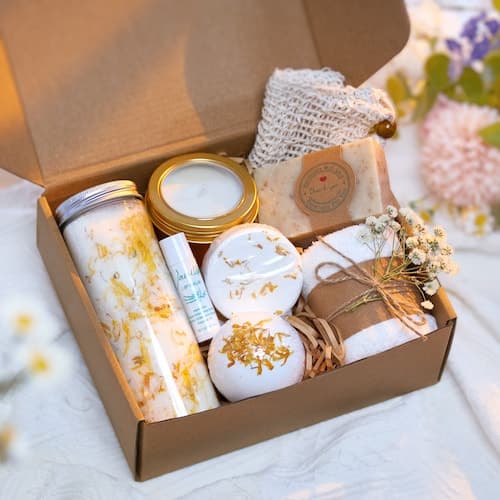
Both recipes yield three bath bombs from a single batch, which makes them well-suited as Easter gifts. A trio of the Surprise bombs wrapped in tissue looks the part as a nest of eggs; a set of Flower bombs in different botanical fillings covers the full spring garden aesthetic. TheSoapery sources their bath bomb ingredients as "ethically sourced, natural ingredients," so the finished product holds up whether you're making them for yourself or packaging them for someone else.
If you're new to the hidden-centre technique, the Surprise Bath Bomb is the more forgiving starting point since colour layers are easier to control than loose botanicals during moulding. Once you're confident with the two-layer fill, the Flower recipe is a natural next step and the petal reveal is genuinely striking the first time you drop one in.
This article was produced by Prism’s automated news system from verified source data, official records, and press releases, then run through automated quality and moderation checks before publishing. The system is built and supervised by the people who set the standards it runs under. Read our full AI policy.
Did this article answer your question?