Artisan Đào Thanh Tùng Crafts Coconut Bonsai Horses for Tết Market
Artisan Đào Thanh Tùng crafts coconut bonsai horses for the Tết market, blending sculpted shells and root treatments; hundreds were prepared and complex pieces may take 8 months to a year.
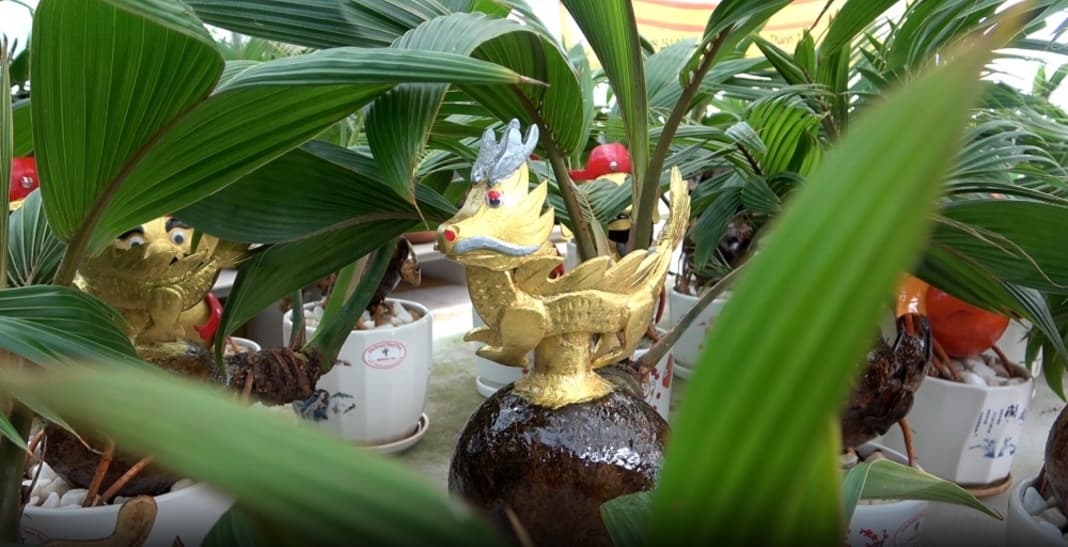
Coconut shells and sculpted root forms are becoming an eye-catching option for Tết displays as artisan Đào Thanh Tùng turns small round dry coconuts into miniature horse motifs. The work combines careful shell polishing, husk preparation, and detailed root pruning to make portable, symbolic pieces aimed at Lunar New Year shoppers and collectors.
At the center of the practice is selection. Đào Thanh Tùng (sometimes transliterated Dau or Tung) starts with small, round, dry coconuts chosen for symmetry and shell thickness. The husk is stripped and the shell surface is polished to highlight natural grain and to provide a smooth plane for the horse silhouette. Roots are treated as sculptural material: long roots are preserved for hydroponic variants, while other specimens receive pruning and shaping to create layered root sheaths that mimic manes, legs, and dynamic movement. High-effort specimens follow staged growth and shaping cycles that take between eight months and a year to reach final form.
The pieces are practical as well as decorative. Hydroponic models with long aerial roots allow buyers to display the work in glass vessels or shallow dishes without soil, while root-sheathed coconut shells are light enough for tabletop arrangements or gift presentation. Demand ahead of Tết was robust; Đào Thanh Tùng prepared hundreds of units for market, and price ranges reported by the grower reflect variation in complexity and time investment.
This trend sits inside a wider shift in Tết handicrafts toward inventive material use and direct-to-consumer sales. Coconut bonsai horses have appeared alongside flowering arrangements and handmade paper ornaments at flower markets and on livestream sales channels, where visual, story-driven items perform well. For growers, the combination of sculptural root work and fast, portable display formats lets sellers offer seasonal novelty without the long maintenance a traditional bonsai requires.

For buyers and fellow makers, the practical markers of a well-crafted coconut bonsai are clear: a smooth, evenly polished shell; cleanly prepared husk and connection points; deliberate root pruning and secure mounting for hydroponic displays; and consistent form across multiple pieces that signals a repeatable technique rather than accidental shaping. Those looking to source pieces for Tết should inspect these features and compare complexity against price.
As Tết markets wind down, the coconut-horse motif suggests new directions for small-scale bonsai craft and seasonal retail. Expect more experimentation with root architecture and hybrid hydroponic presentations in the next cycle, and watch flower markets and livestream sellers for fresh takes on portable bonsai art.
Know something we missed? Have a correction or additional information?
Submit a Tip