Marin Bonsai Club spotlights California oaks as resilient bonsai material
Greg McDonald’s oak talk made the case for California native material, but also showed why coast live, blue, and valley oaks demand patient, advanced development.
Why the Marin meeting mattered
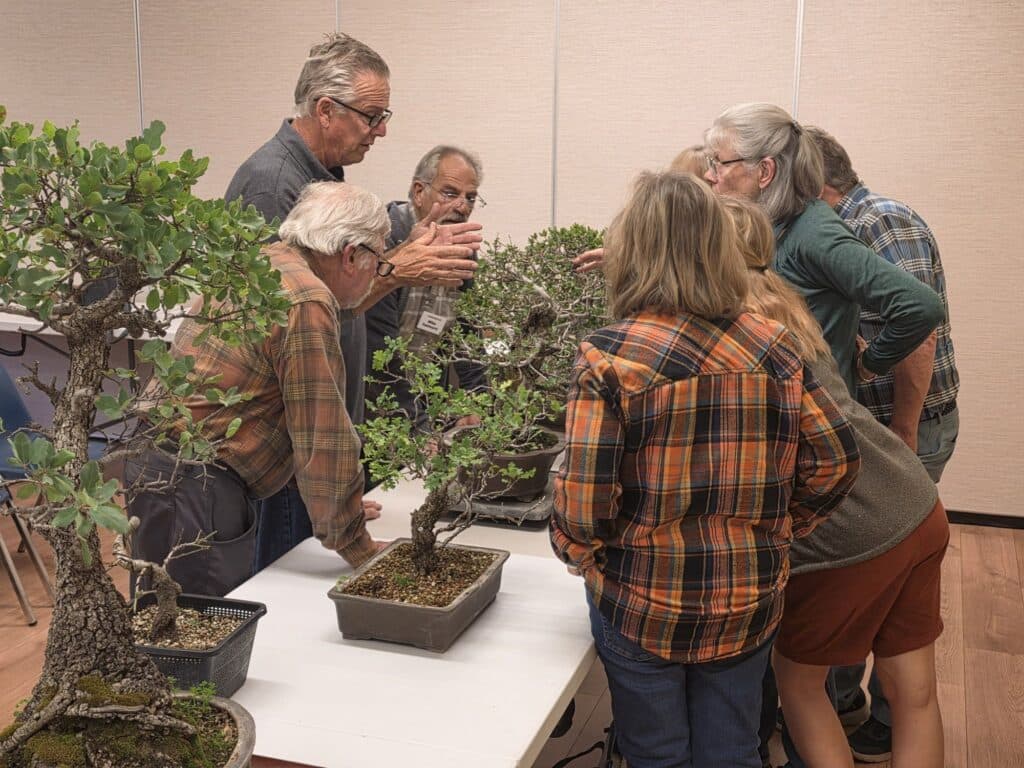
Greg McDonald’s California oak talk at Marin Bonsai Club was the kind of presentation that sticks with you because it did not pretend these trees are easy. The club’s May meeting recap, posted May 16, described it as free-wheeling, engaging, and inspiring, and that fits the material: oaks are compelling bonsai, but they ask for real collection judgment, real timing, and a long view.
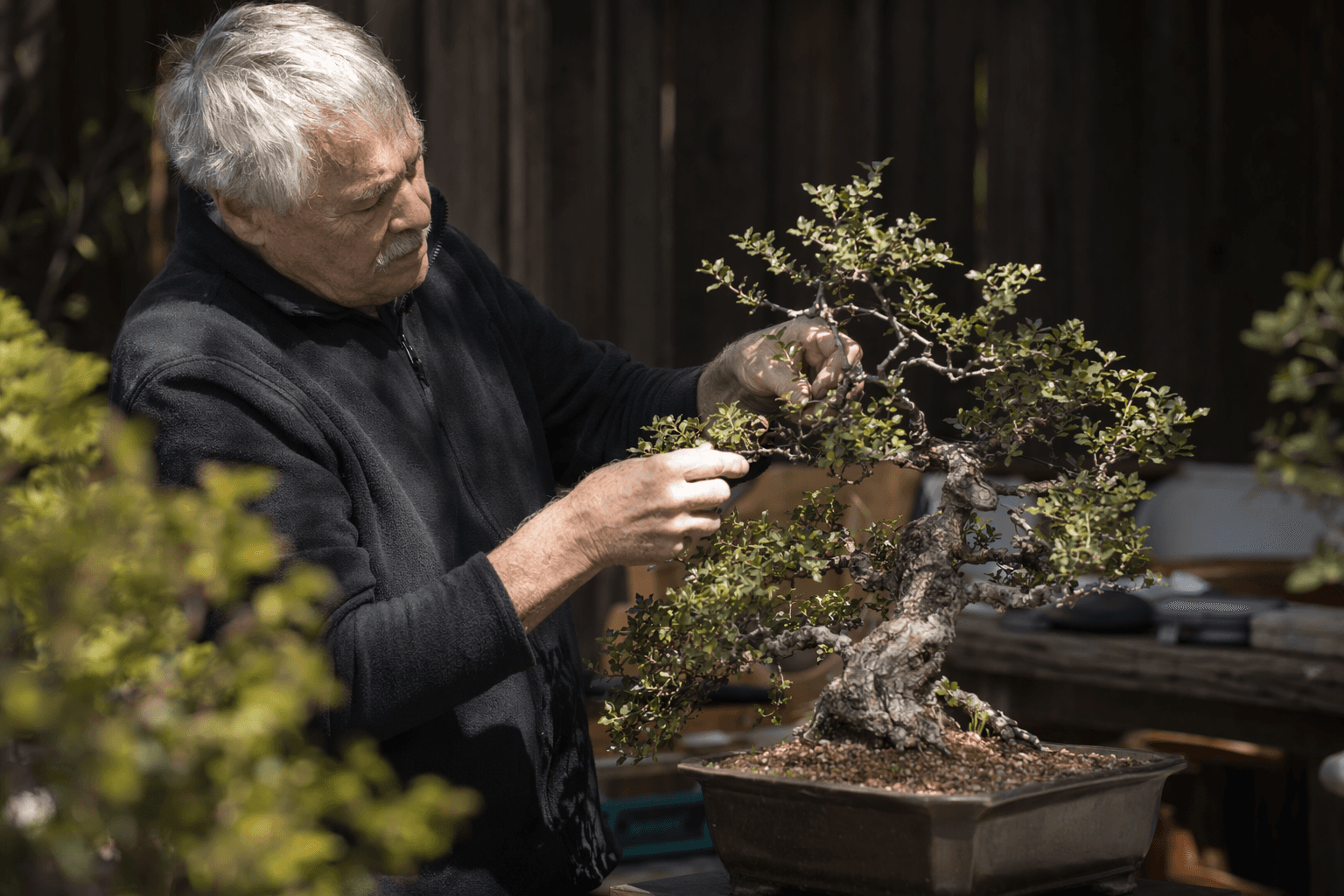
The setting matters, too. Marin Bonsai Club meets at Terra Linda Community Center in San Rafael, and McDonald walked members through his process using examples from his own trees and from members’ trees. That made the session feel less like a lecture and more like a working bench conversation, the sort of meeting where you leave with dirt-under-the-nails ideas rather than generalities.
Why coast live oak keeps winning attention
If you spend any time around Bay Area benches, you already know the answer to which California oak shows up most often: coast live oak. East Bay Bonsai Society says it is the California oak most commonly seen as bonsai, partly because the leaves are more scale-appropriate and can reduce further. That is a big deal when you are trying to make a native tree read like a bonsai instead of a miniaturized landscape tree.
McDonald singled out coast live oaks as especially strong material because they grow well in the local climate and are relatively manageable in cultivation. The U.S. Forest Service notes that coast live oak occurs in California and northern Mexico, and that it can introgress with other oaks, which is one reason advanced growers pay attention to provenance and field conditions. In bonsai terms, this is not just a species pick, it is a material-pipeline decision.
Blue oak and valley oak are worth the effort, but not the same effort
McDonald did not treat coast live oak as the only game in town. Blue oaks can make good bonsai, but they want more heat, and one bonsai reference source calls blue oak California’s most drought-tolerant deciduous oak. That makes it attractive if you have the right exposure and can keep development steady through hot spells, but it also means you are not forcing a cool, foggy site tree into a style it does not want.
Valley oak brings a different challenge entirely. Calscape describes it as a very fast grower that may live up to 600 years, which tells you almost everything you need to know about the long game here. Fast juvenile growth can help build trunk movement and girth, but it also means you have to stay ahead of coarse structure if you want refinement later.
Climate pressure is changing the oak conversation
The ecological backdrop is not academic filler. California reporting shows the state’s forests and woodlands now have more small trees and fewer large trees than 80 years ago, and oak occupancy has declined in the South and Central Coast regions. For bonsai growers, that matters because the wild tree picture is changing even before you step in to collect.
NASA reported that blue oak woodlands lost more than 1,200 square kilometers of tree cover during California’s 2012 to 2016 drought. On the disease side, sudden oak death has killed millions of trees, primarily tanoak and coast live oak, in coastal California and southern Oregon, and the first cases were reported in Marin County and Santa Cruz County in the mid-1990s. McDonald’s warning that fungus and disease become more common during unusual rain and heat patterns lands harder when you put those numbers next to it.
How McDonald approaches collection and early development
This is where the talk got especially practical. McDonald likes to find dramatic candidates in horse pastures, where trees have been kicked and rolled, because the abuse can create movement and character that you cannot fake later. He also makes room for seedlings, even though they may take decades to mature, which is exactly the kind of patience native oak bonsai demands if you want the finished tree to look believable.
His collection timing is equally grounded. He prunes back in the fall, digs during winter rains, and does not worry too much about cutting the tap root. That last point matters because oak recovery is less about preserving every inch of root and more about setting the tree up for stable aftercare, moisture balance, and a strong new root system.
McDonald also emphasized protection and establishment work after collection. Raffia wrapping helps protect young trees when they are wired and bent, especially on material with stubborn grain or brittle sections. From there, box culture, porous soil mixes, and sphagnum moss on the soil surface all point in the same direction: keep the tree vigorous, keep the root zone airy, and avoid the kind of stress that turns an exciting yamadori into dead wood.
He also discussed a technique for deciduous oaks in which leaves are removed to distribute auxin more evenly. That is the sort of detail that separates casual styling from serious development work, because it shows you are thinking about how the tree’s physiology responds, not just how the branch line looks from the front.
The real takeaway for your bench
The Marin meeting made California oaks look both tempting and unforgiving, which is exactly the right reading. Coast live oak is the most accessible entry point, blue oak asks for more heat, and valley oak asks for patience on a scale most people underestimate. That is why McDonald’s presentation landed: it celebrated the native material without hiding the fact that oak bonsai rewards growers who can think in years, not seasons.
If you are looking for a quick styling win, California oaks are the wrong impulse. If you want a long-term tree with local character, field-gathered presence, and the kind of winter structure that can carry a pot on its own, they are some of the most compelling material on the bench, as long as you are ready to earn them.
This article was produced by Prism’s automated news system from verified source data, official records, and press releases, then run through automated quality and moderation checks before publishing. The system is built and supervised by the people who set the standards it runs under. Read our full AI policy.
Did this article answer your question?