Australian Bonsai Gallery Marks World Bonsai Day with Decades-Old Pine
Australian Bonsai Gallery used World Bonsai Day to frame a 1971 Mikawa black pine as a matter of stewardship, not ownership. The tree’s long handoff sharpens Saburo Kato’s legacy into something practical.
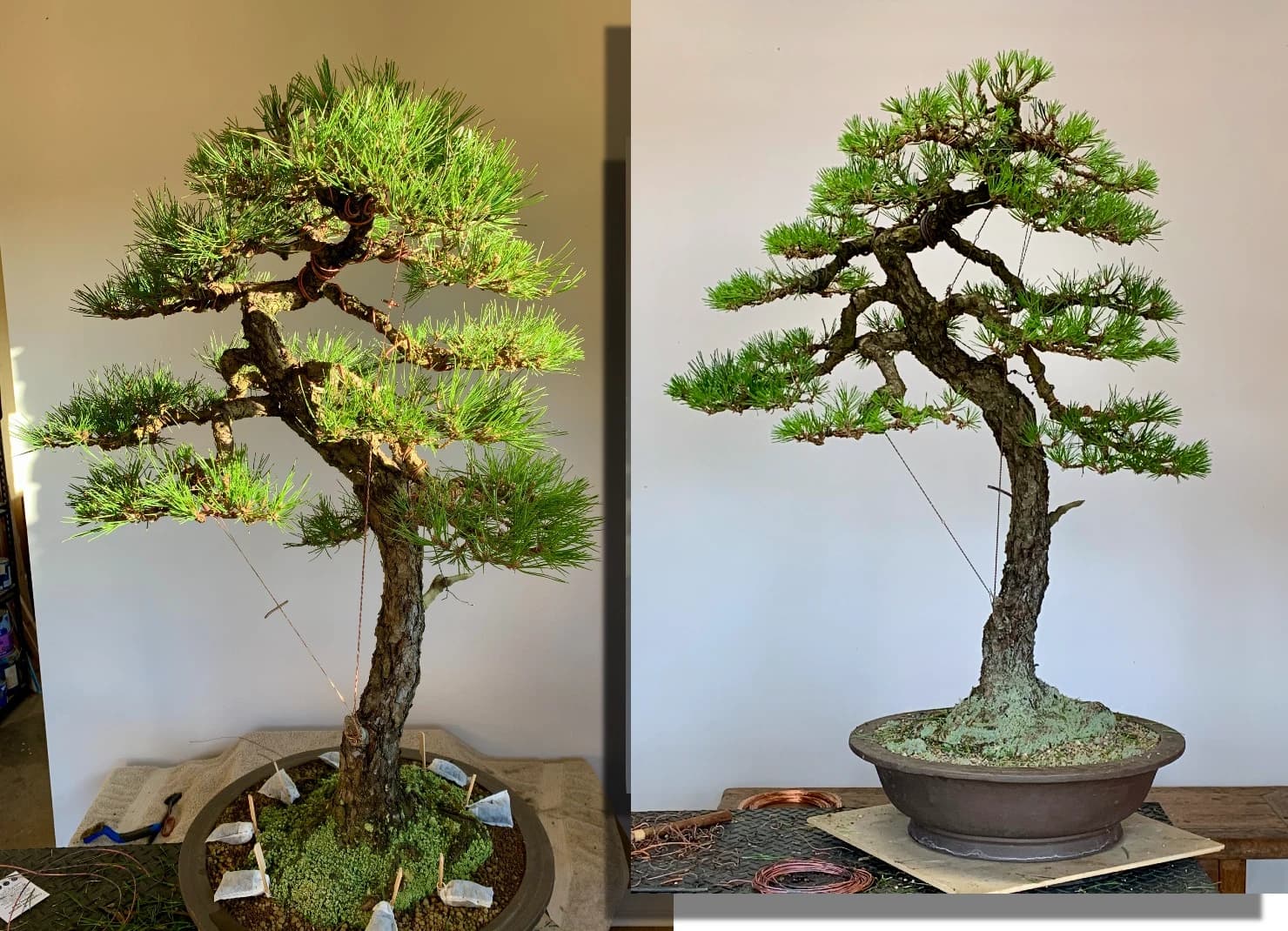
Australian Bonsai Gallery did not treat World Bonsai Day as a generic salute. It used the occasion to put Tancho no mai, a Mikawa Japanese Black Pine, front and center, and the point was clear: in bonsai, the real value sits in stewardship. The tree was grown from Japanese seed by Ian Hearn in 1971, styled over many years, and bought by the gallery about six years ago.
That matters because World Bonsai Day is not just another date on the club calendar. The World Bonsai Friendship Federation marks it on the second Saturday of May to honor Saburo Kato’s mission for world peace through bonsai, and the National Bonsai Foundation says the first event was held in 2010. Kato, born on May 15, 1915 and died on February 8, 2008, was the third-generation owner of Mansei-en in Omiya Bonsai Village and, as the Omiya Bonsai Art Museum notes, devoted himself to the internationalization of bonsai.
Australian Bonsai Gallery’s own framing fits that history neatly. The gallery has repeatedly described its Mikawa black pines as rare old material with thick bark, dense foliage, and strong adventitious budding, and it has made a point of emphasizing the long chain of care behind them. In June 2024, it said it had acquired several old Mikawa Japanese Black Pines from Ian Hearn’s collection, trees grown from Japanese seed in the early 1970s and kept in that collection ever since. In April 2025, it said one of those pines was 55 years old and had been passed into its care the previous June.
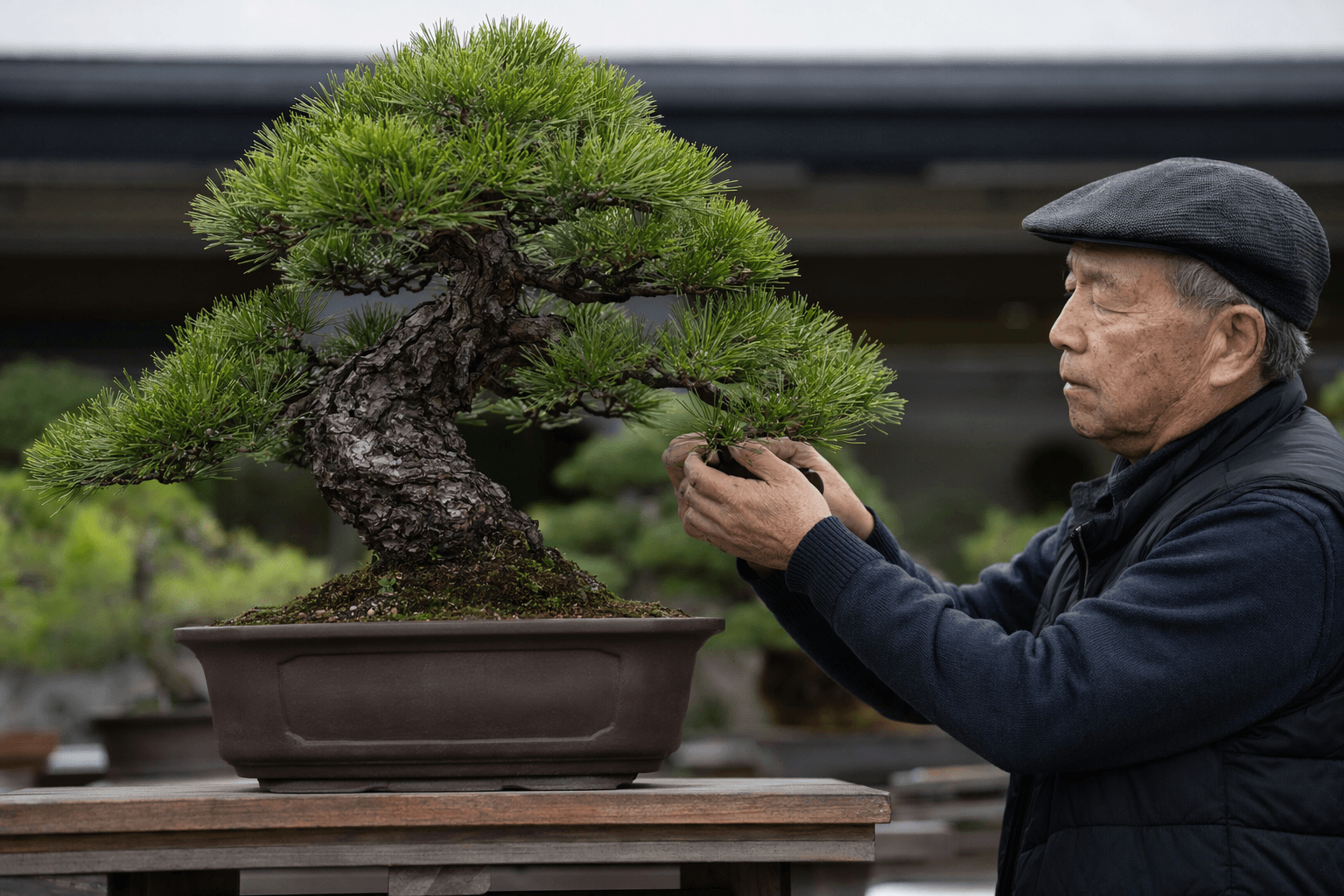
That is the part serious growers recognize immediately. A tree like Tancho no mai is not valuable because it is old in the abstract; it is valuable because successive caretakers made the right decisions year after year, then handed the work forward intact. The gallery’s note about continuing refinement and kaizen puts a practical name on that discipline. The next owner is not starting a bonsai. The next owner is protecting one.
The wider World Bonsai Day calendar underscored the same idea. The U.S. National Arboretum in Washington, D.C. marked May 8-10, 2026 with a World Bonsai Day and Potomac Bonsai Festival program that included displays from the museum’s permanent collection, styling presentations, and workshops, with World Bonsai Day observed on Saturday, May 9. Across Australia and the United States, the message was the same: bonsai value survives when the caretaker understands the weight of what came before.
This article was produced by Prism’s automated news system from verified source data, official records, and press releases, then run through automated quality and moderation checks before publishing. The system is built and supervised by the people who set the standards it runs under. Read our full AI policy.
Did this article answer your question?