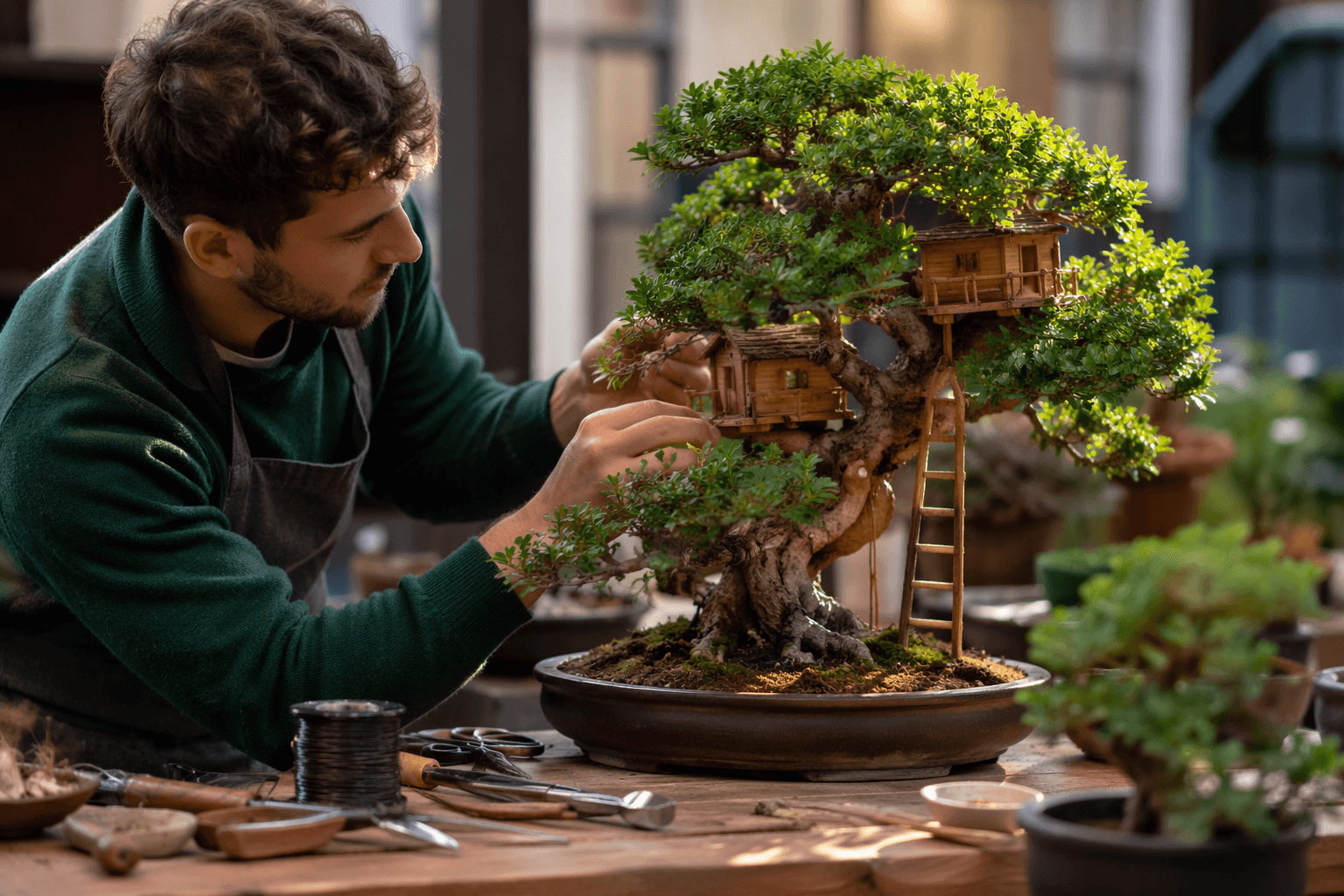
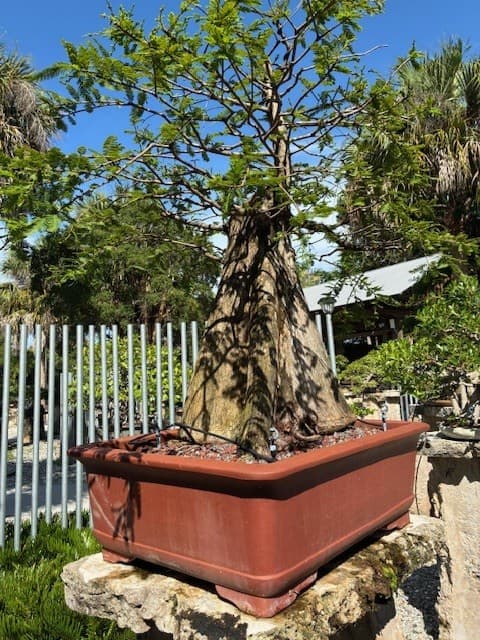
World Bonsai Day festival marks museum’s 50th anniversary at Arboretum
The Arboretum’s 50th anniversary turned World Bonsai Day into a rare public opening, with more than 300 trees, free demos and a serious national showcase.
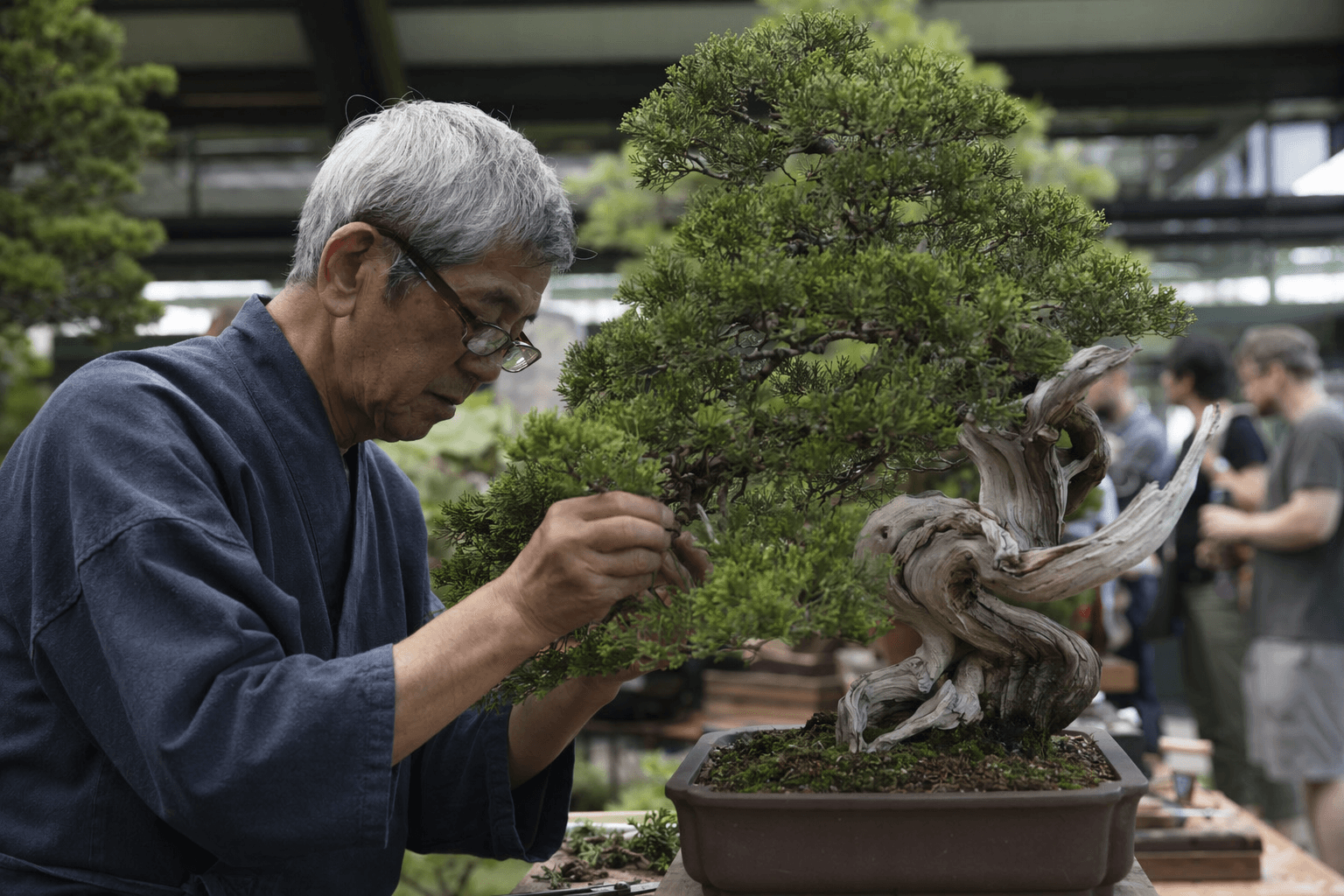
The Potomac Bonsai Association and the U.S. National Arboretum turned World Bonsai Day weekend into something bigger than a club event: a public-facing festival at the National Bonsai and Penjing Museum and the Arboretum Visitor Center that also marked the museum’s 50th anniversary and the United States’ 250th.
Held May 8 through May 10, the three-day gathering ran from 10 a.m. to 4 p.m. daily and put the museum’s collection squarely in front of the public. The festival mixed special exhibits of PBA member trees with free demonstrations, docent-led museum tours, children’s activities, and a vendor market stocked with bonsai material, pre-bonsai, pots, accents, soil and tools. Food trucks were scheduled for Saturday and Sunday, and workshop registration was handled in advance.
That partnership matters because it pushed bonsai out of the familiar club circle and into a national institution with real reach. The National Bonsai Foundation says the museum is the world’s first museum dedicated to the public display of bonsai, and the 2025 Potomac Bonsai Festival and World Bonsai Day drew more than 8,000 people. That kind of turnout is the share hook here: it signals that bonsai is no longer just an insider pursuit, but a public event with enough scale to bring in newcomers, families and casual visitors.
The museum’s own history made the weekend feel ceremonial rather than commercial. Its collection began in 1976 with a gift of 53 bonsai trees from Japan to commemorate the U.S. Bicentennial, and it has grown to more than 300 specimens rotating through three pavilions and a special exhibits gallery. The arboretum kept the setting open and accessible, with its grounds open daily from 8 a.m. to 5 p.m. and the museum open daily from 10 a.m. to 4 p.m., except federal holidays from November through February.
The education side of the weekend gave the festival more weight. Jonas Dupuich, known for making technique accessible through Bonsai Tonight, led a BYOT workshop on Saturday, May 9, from 12:30 p.m. to 3:30 p.m. Jack Sustic, a major figure in American bonsai and a longtime curator of the museum, led workshops on Sunday from 9 a.m. to noon and again from noon to 3 p.m. Beginner workshops were also on the schedule, giving first-timers a clear entry point.
World Bonsai Day itself has been building toward moments like this since 2010. Created to honor Saburo Kato, born May 15, 1915, it is observed on the second Saturday of May and reflects his belief that bonsai can foster peace and friendship. At the Arboretum, Michael James and the festival organizers used that idea in practical terms, showing how bonsai still connects people across cultures, generations and skill levels when a national museum puts its backing behind the show.
This article was produced by Prism’s automated news system from verified source data, official records, and press releases, then run through automated quality and moderation checks before publishing. The system is built and supervised by the people who set the standards it runs under. Read our full AI policy.
Did this article answer your question?