Bedford Farms promotes hands-on juniper bonsai workshop for beginners
Bedford Farms is centering its beginner bonsai workshop on juniper, the species that makes pruning, wiring and aftercare easier to learn.
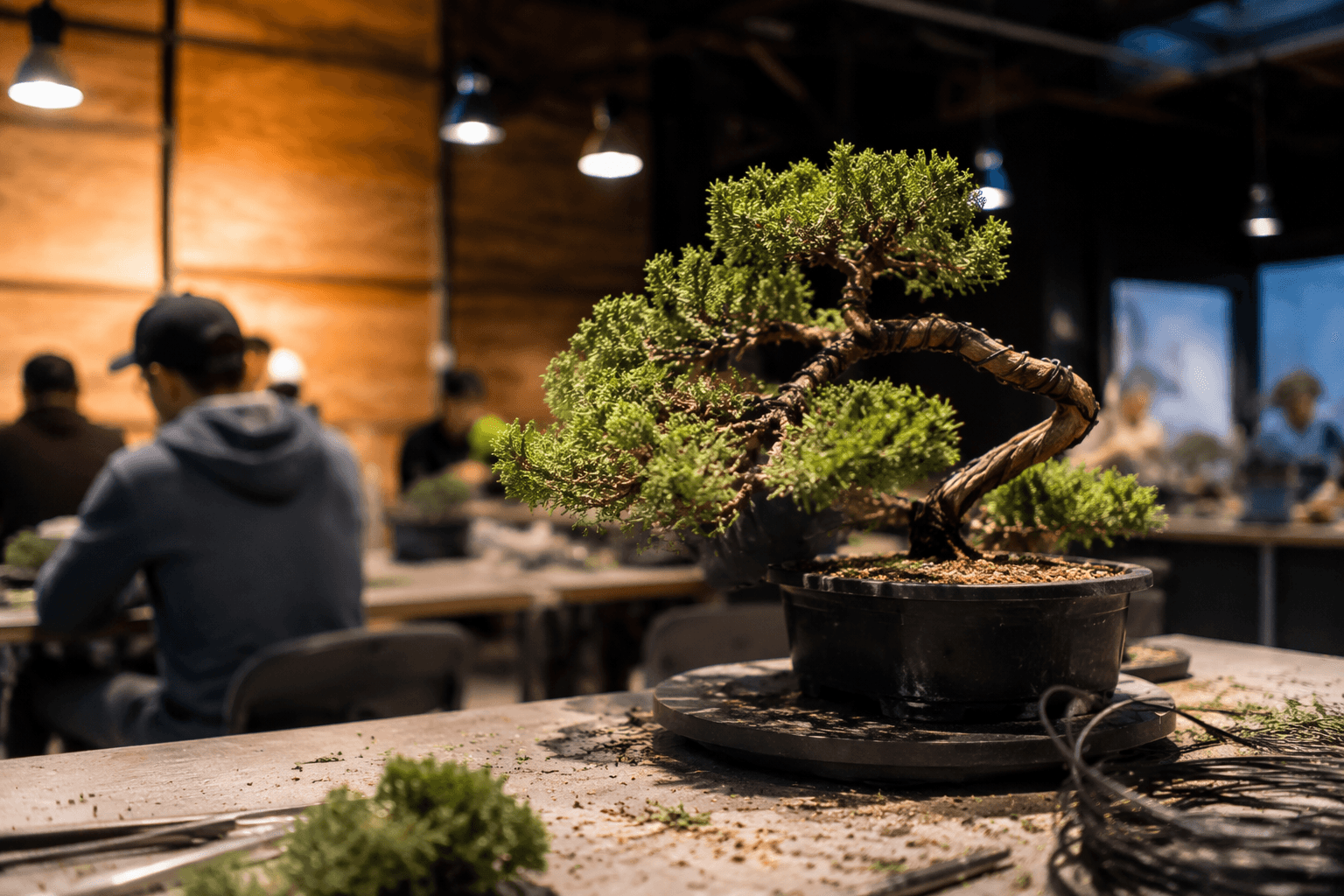
Juniper is the tree that gives beginners the clearest return on effort. It responds well to styling, shows off dramatic trunks and branch movement, and keeps its evergreen texture, which makes every cut and bend easy to read. Bedford Farms is using that strength to frame a hands-on bonsai workshop that focuses on the exact skills people need when they start: pruning, wiring and basic aftercare.
Why juniper is the right teaching tree
Juniper is one of the most practical entry points into bonsai because it is both forgiving and visually expressive. Bonsai Empire treats juniper as an outdoor tree and identifies it as one of the best bonsai choices for beginners, which fits the way most classes use it: as a species that can teach structure without overwhelming the student. In a juniper session, you are not just admiring the tree, you are learning how a bonsai is built from the trunk out.
That is why juniper keeps showing up in beginner programs. Graylag’s Bonsai Basics I workshop is built around a juniper bonsai and covers design, training through pruning and wiring, watering, feeding, sun requirements and seasonal care. The Morton Arboretum also centers its Introduction to Bonsai Workshop on a dwarf Japanese garden juniper, which tells you this is not a random choice but a standard teaching species. If you want one tree that can demonstrate the core ideas of bonsai without a lot of guesswork, juniper is the obvious place to start.
What Bedford Farms is teaching
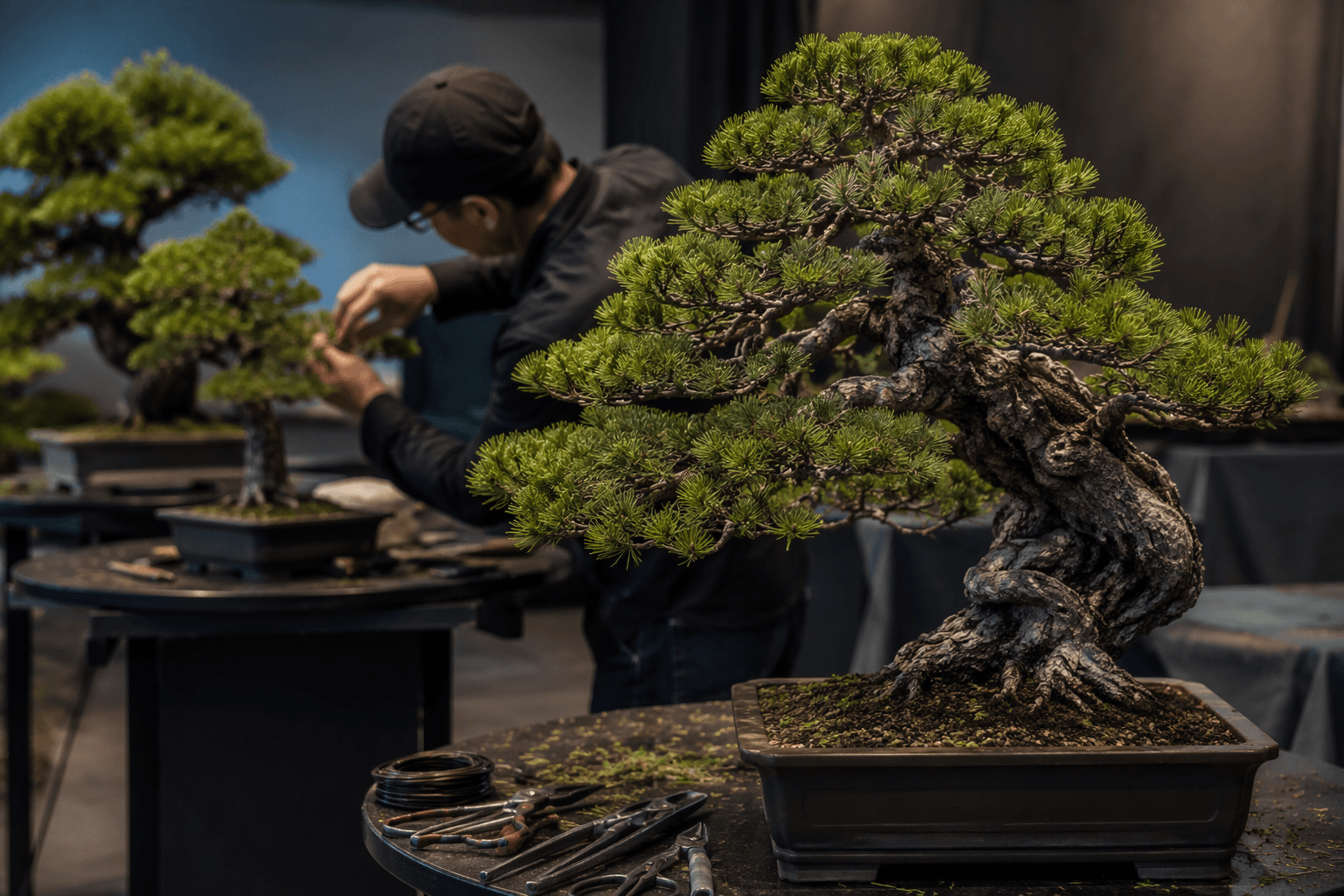
Bedford Farms’ Intro to Bonsai class put the emphasis on a working session, not a lecture. Its caption thanked John Dillon from The Bonsai Shack for sharing his expertise and said participants learned bonsai basics “from potting and wiring to trimming and nurturing these incredible plants.” The workshop ticket description is even more direct: “In this class, you'll learn essential techniques such as pruning, wiring, and styling to bring out the natural beauty of your bonsai.”
That mix matters. Potting, trimming, wiring and nurturing are not separate side topics in bonsai, they are the whole job. A beginner class that names them up front gives you a real sense of what you will be doing at home after the workshop ends, not just what you will be looking at while someone else works.
What you actually practice in a juniper workshop
A good juniper workshop is useful because it compresses the main lessons of bonsai into one tree and one session. Pruning gives the tree structure, taper and design control. Wiring lets you place branches where trimming alone never could, creating movement and spacing that make the silhouette feel intentional instead of crowded.
The practical sequence also matters. Eastern Leaf’s juniper wiring tutorial notes that wiring lessons usually begin with cleaning the foliage before wiring techniques are applied. That step sounds minor until you try to bend a branch through a dense canopy and realize how much easier the job is when the foliage is organized first. The lesson is simple: prep the tree, then wire it.
- Watering is constant, not occasional.
- Junipers need outdoor conditions, not a windowsill shortcut.
- Wiring is part of styling, but it has to be paired with pruning.
- Feeding, sun exposure and seasonal care are part of the system, not optional extras.
For home care, the same fundamentals keep coming up across beginner-focused instruction:
Graylag’s beginner workshop lays out that sequence clearly, covering design, pruning, wiring, watering, feeding, sun requirements and seasonal care in one package. That is exactly the kind of structure a new grower can use later at home.
Why this format works so well for beginners
Hands-on classes beat passive demonstrations because the tree changes in front of you. You can ask a question while a branch is being set, then immediately see how a small cut or bend alters the design. With juniper, that feedback is especially useful because the species makes styling decisions obvious very quickly, which is a blessing when you are learning and a warning when you are not.
Other bonsai programs use the same model for a reason. Denver Botanic Gardens’ Beginning Bonsai class gives each participant a tree, pot, wire, soil and gravel, then sends them home with a finished bonsai. That is a strong format for a beginner because it closes the gap between watching and doing. You leave with material in hand and a real understanding of how the pieces fit together.
Why bonsai education keeps coming back to juniper
This workshop style also fits a much longer bonsai tradition. The Minnesota Bonsai Society says it was founded in 1971, a reminder that in the United States, bonsai knowledge has long been passed along through clubs, classes and shared hands-on work. Brooklyn Botanic Garden’s Bonsai Museum pushes that idea even further, noting that some of its trees are well over a century old and many still remain in their original containers.
That long view is what makes a beginner juniper class worth taking seriously. Bonsai is not about forcing a plant into shape for one afternoon. It is about learning the habits that keep a tree healthy while you guide it, and juniper is one of the best species for learning those habits without getting lost in complexity.
Bedford Farms is making the right call by putting juniper at the center of its beginner workshop. It is the species that shows you how pruning builds structure, how wiring creates movement and how patient aftercare keeps the whole thing alive once the class is over.
This article was produced by Prism’s automated news system from verified source data, official records, and press releases, then run through automated quality and moderation checks before publishing. The system is built and supervised by the people who set the standards it runs under. Read our full AI policy.
Did this article answer your question?