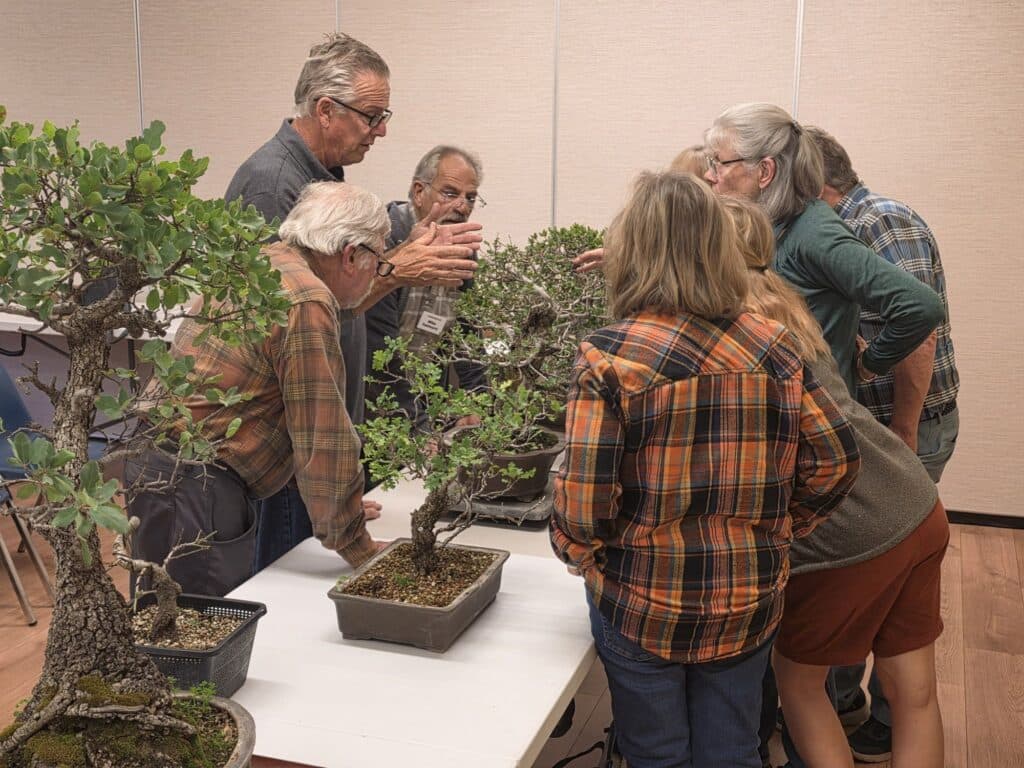
Beginners get clear repotting watering and lighting advice for bonsai
Get step-by-step repotting, multiple expert watering rules, and clear window-placement choices so your first bonsai survives its first year.
Start here: Homecrafttips published a practical FAQ primer titled "How Do I Take Care of a Bonsai Tree for Beginners? FAQs Answered" (Holden, Feb 20, 2026). Below I translate that primer and five other specialist sources into an immediately usable care playbook, repotting steps you can follow today, competing watering rules you must resolve by species, and a clear set of light-and-placement choices.
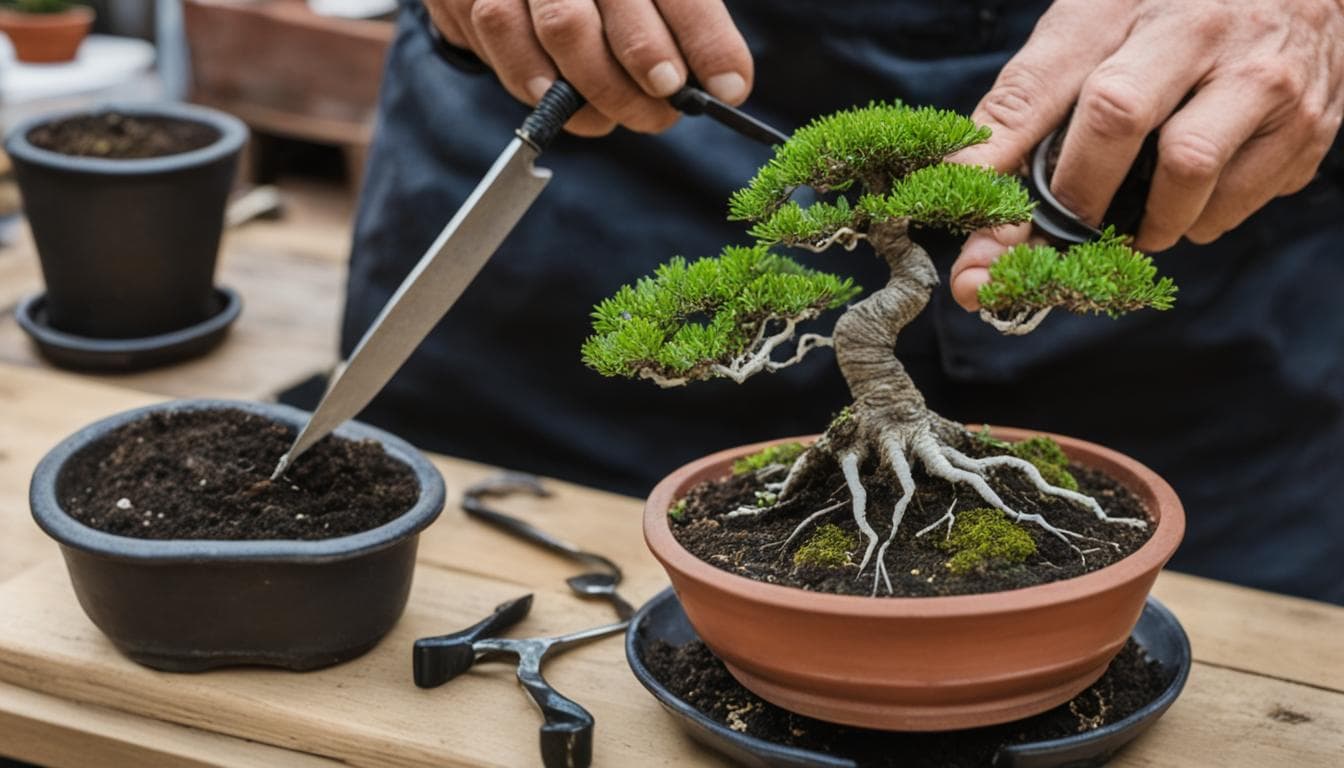
- "Carefully remove the tree from its pot."
- "Using sharp shears, trim away the outer layer of roots."
- "Inspect the root mass for areas of rot trim away as needed. These areas can indicate where the bonsai is not getting enough drainage."
- "Clean the pot itself and remove any brown or green spots."
- "Place mesh squares over the drainage holes to prevent soil from falling out."
- "Layer the bottom of the pot with soil and place the tree on top."
- "Fill the remaining holes and gaps where the root used to exist with soil."
1. Repotting: follow a seven-step procedure and finish with a deep sink soak
Repotting guidance from Ftd lays out a compact, practical sequence you can perform in one session. Follow these seven steps from Ftd exactly:
After that, follow Bonsaibaime’s post-repotting soak: "Place the tree in the sink and turn the setting onto a light rain/sprinkle, once water begins to run out the bottom of the pot, leave the water running for 4-5 more minutes. We really want to ensure we are getting the soil fully saturated in water the first time we water it after repotting." If you used sand decoration, use a very gentle stream so the surface doesn’t wash away.
- Bonsaiempire’s bottom-line point: "The most important part of taking care of a Bonsai trees is watering" and "How often a tree needs to be watered depends on several factors such as; species of the tree, size of the tree, size of the pot, time of year, soil-mixture, and climate." In other words, species-specific rules trump generalities.
- Lovemybonsai’s practical rule: "Watering: Mastery of watering is crucial in bonsai care. The goal is to maintain a balance, neither too dry nor too soggy." Their guideline: water when the topsoil feels dry; frequency will vary.
- Bonsaibaime’s strict schedule for indoor trees: "Water your tree once every 3-5 days (3 for small pots, 4 for medium pots, 5 for large pots)" and the stark warning: "Maintain MOIST soil always. If the soil dries out for 1 day or longer your tree will suffer and if left longer than that it will likely die." Bonsaibaime also advises room-temperature water poured in a soft stream and notes it "can tolerate occasional over, or underwatering (it is more difficult to over-water, so if in doubt, water your tree!)."
2. Watering: three expert approaches, match the one to your species and conditions
Watering guidance conflicts across sources; pick the approach that fits your species, pot size, and indoor climate:
Practical pick for beginners: identify the species first (see section 4). If species unknown, treat the soil-dry test (Lovemybonsai) as primary while watching for Bonsaibaime’s signs of rapid drying in small pots, adjust frequency accordingly.
- Bonsaioutlet and Lovemybonsai recommend "bright, indirect light" and a "spot near a south-facing window" to provide ample light without burning leaves.
- Bonsaibaime is more demanding for indoor trees: "South or West facing window, within 6 inches of the window, with about 4-7 DIRECT sunlight hours each day MINIMUM" and adds that it "requires a lot of light, preferably full sunlight."
- Ftd cautions: "Positioning: Your bonsai should be kept away from direct heat or draft" and generally to keep "in area with plenty of sunlight."
3. Lighting and placement: decide between bright indirect or direct sun, and don’t move the pot repeatedly
Lighting advice varies by source; here are the explicit positions:
Bonsaibaime’s dramatic placement rule also includes: "DO NOT MOVE YOUR TREE. Place it in a good spot and leave it there. Moving it every day will kill it. If you must move it, at most do it twice a year, but no more or it will die from trying to adapt repeatedly to a different location." Choose your lighting strategy based on species: tolerates-forgiveness species (ficus, jade) lean toward indirect-lit windows; sun-loving species may require the full-sun approach.
4. Species and buying: pick forgiving varieties and inspect structure at purchase
If you’re choosing a first tree, stick to forgiving, widely recommended indoor/beginner species. Ftd lists indoor subtropical examples, "jade plants, Hawaiian umbrella trees, and ficus trees", and Bonsaioutlet recommends "Ficus, Jade, Hawaiian Umbrella, and Chinese Elm." When buying, Bonsaioutlet says to "Keep an eye out for well-proportioned trees with balanced branches and a healthy appearance. Inspect the trunk for taper and movement, and make sure the tree's style resonates with you." These species names and the visual checks will reduce early shock and simplify watering/light choices.
5. Pruning: trim for shape, but leave structural cuts to professionals
Ftd gives clear timing rules: "Typically, you should prune your bonsai tree when you see new growth that’s starting to morph the shape of your tree in an undesirable manner." For flowering bonsai, "pruning should take place during the spring to encourage more flowers to grow the following year." For major work, heed the safety line: "Structural pruning is a more advanced technique that should only be done when the tree is dormant. It involves the removal of the tree’s primary structural branches and requires the skills of a professional to ensure that the tree can recover." Lovemybonsai complements this with practical shaping work: use trimming and regular pinching to encourage bushier growth and refine shape.
6. Feeding and repotting schedule: replenish during the growing season, repot every 2–5 years
Nutrition matter: Lovemybonsai recommends "Use a balanced, slow-release fertilizer during the growing season (spring through fall) to nourish your tree. In winter, reduce feeding as your bonsai enters a dormant phase." Bonsaiempire reinforces why: confined pots limit root foraging, so "Fertilizing regularly during the growing season is crucial for Bonsai to survive and thrive." For soil replacement and root health, Lovemybonsai states: "To prevent your bonsai from becoming root-bound and to replenish its soil, repotting every two to five years is necessary." Mark these calendar windows on your planner.

7. Tools and initial gear: keep it simple, tree, shears, fertilizer, humidity tray optional
Bonsaioutlet’s straightforward starter list: secure the tree, a balanced fertilizer, and a well-sharpened pair of shears. They add: "If you intend to maintain the tree indoors on a windowsill or a piece of furniture, consider obtaining a humidity tray, sometimes referred to as a furniture protector. However, aside from these essentials, there's no immediate need to invest in complex bonsai toolkits or other advanced equipment." Ftd adds the practical pot items used in repotting: mesh squares for drainage holes and cleaning the pot.
8. Humidity, aftercare and mindset: observe daily and accept a long learning curve
Ftd notes "Humidity: Bonsais need humidity in order to keep their soil moist." Bonsaioutlet’s humidity-tray suggestion is a simple fix for dry indoor air. Lovemybonsai captures the emotional side: "Caring for a bonsai goes beyond mere maintenance; it's about forming a bond with your miniature tree... Embrace this journey with patience and curiosity." Practically, Bonsaibaime advises: "If the soil ever gets dry then give it a generous watering like you did the night you got it."
9. Warnings, advanced techniques and training options: structural work is specialist territory; courses are available
Ftd’s safety note is uncompromising about structural pruning requiring professional skill. If you want structured learning, Bonsaiempire lists courses with prices and lengths, examples: "Bonsai Beginners Course, Beginner 17 lectures - 2,5 hour - $49.99" and the "Kimura Masterclass, Advanced 14 lectures - 4 hour - $89.99." These paid options can move you from casual caretaker to confident stylist.
- Choose a forgiving species: Ficus, Jade, Hawaiian Umbrella, or Chinese Elm (Bonsaioutlet; Ftd).
- Inspect the tree at purchase for trunk taper, balanced branches, and healthy foliage (Bonsaioutlet).
- Repot now if the pot is small, using Ftd’s 7-step procedure, then give the Bonsaibaime sink soak (Ftd; Bonsaibaime).
- Set a lighting plan: bright, indirect by default; if you pick a sun-loving variety, aim for "4-7 DIRECT sunlight hours" and position "within 6 inches of the window" (Lovemybonsai; Bonsaioutlet; Bonsaibaime).
- Choose a watering policy and test it: start with the topsoil-dry test (Lovemybonsai) and adjust toward Bonsaibaime’s 3–5 day rhythm only if species and pot size match that guidance.
- Add balanced slow-release fertilizer for spring–fall and plan to repot every two to five years (Lovemybonsai).
10. Quick starter checklist (do this in week one)
Closing: These steps turn conflicting advice into decisions you can test, identify your species first, pick a watering strategy that matches pot size and indoor climate, and follow Ftd’s repotting steps plus Bonsaibaime’s soak for best transplant success. If you want formal instruction, Bonsaiempire’s beginner-to-advanced courses (including the Kimura Masterclass) are a clear next step. And remember Lovemybonsai’s core message: bonsai care is a bond, patience and observation will teach you faster than rules alone.
Know something we missed? Have a correction or additional information?
Submit a Tip