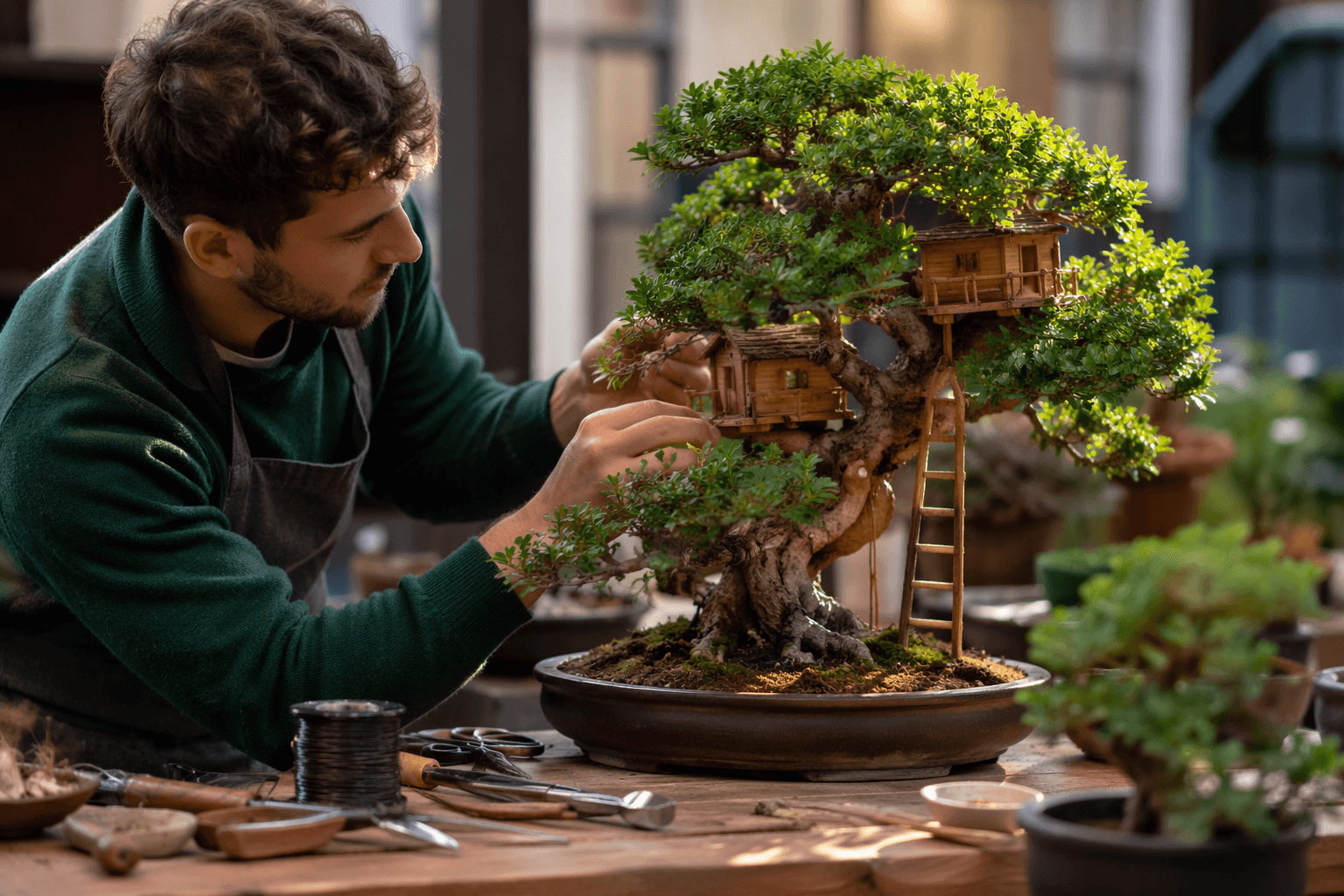
Bonsai Artists Preserve Endangered Trees as Living Genetic Archives
A wild Wollemi pine population of 83 mature trees shows why bonsai can serve as backup genetics, not just display pieces.
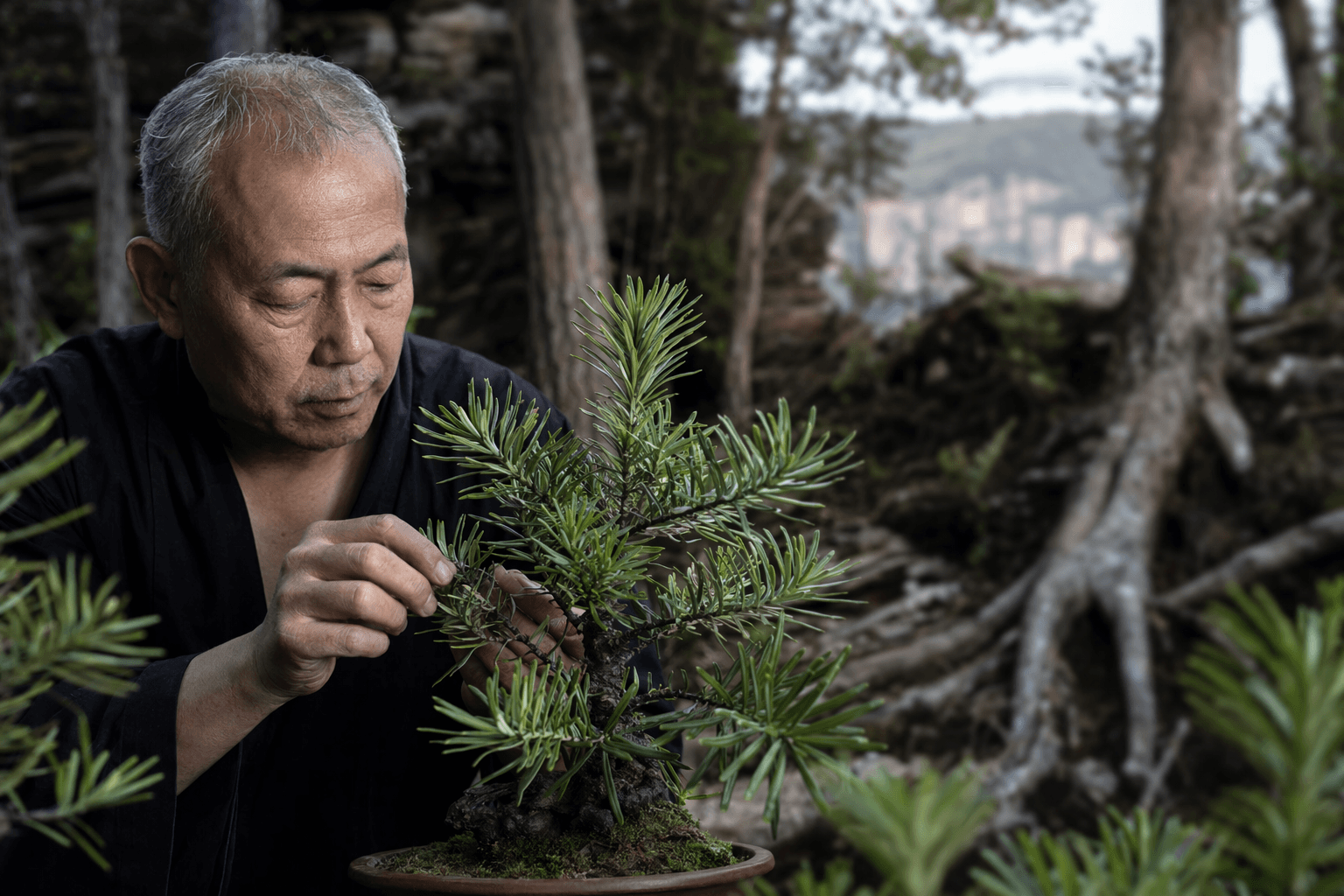
When a tree vanishes, bonsai can become insurance
A wild Wollemi pine population of just 83 mature trees, spread across less than 10 km², is the kind of number that changes how you look at a bonsai bench. In a world where climate change, habitat loss, overharvesting, and invasive species are squeezing trees out of the landscape, miniature cultivation can act as ex situ conservation, preserving living genetics when the wild population is under siege.
That does not make bonsai a replacement for habitat protection. It does mean the practice can buy time, keep rare lineages alive, and give the species a public face long before the last stand in the wild is gone.
What bonsai can preserve, and what it cannot
Bonsai is useful because it works with living tissue, not pressed specimens or stored seed packets alone. A bonsai can remain a functioning plant for decades or even centuries, and some Japanese examples are hundreds of years old. That longevity matters when the goal is to hold on to a genetic line while restoration work, habitat recovery, or seed banking catches up.
But the limits are just as important. A single bonsai only carries the genetics of one tree, and even a collection of trees cannot recreate an intact ecosystem, with its fungi, insects, pollinators, soils, and fire patterns. Bonsai can preserve a genotype, sometimes a small slice of diversity, but it cannot preserve everything that made the wild habitat work in the first place.
Why the bonsai world is already built for this conversation
This is not a new art form trying to borrow conservation language. The U.S. Forest Service says bonsai originated in China more than 2,000 years ago, and the practice has long been linked with yamadori, the collecting of wild trees from the mountains. That history explains why bonsai people are comfortable talking about provenance, collection ethics, and long-term stewardship in a way many plant communities are not.
The same tradition has a real footprint in the United States. The Forest Service says California has 65 bonsai clubs and societies, which tells you this is not a fringe hobby tucked away in a few elite collections. It is a community with enough scale, skill, and repetition to matter if conservation-minded growers decide to treat rare trees as living archives rather than trophies.
The institutions already treating bonsai as genetic resources
The U.S. National Arboretum is explicit about what bonsai can be in a conservation framework. Its National Bonsai & Penjing Museum says its mission includes the conservation of genetic resources, alongside long-term research and interpretive exhibits. The arboretum’s collections span Japanese, Chinese, North American, and international material, which is exactly the kind of breadth that makes a museum more than a display hall.
At the Arnold Arboretum, a recent WBUR report said the bonsai collection includes 67 plants, and that number matters because collections like this keep living references in view. They are not just pretty trees after winter storage comes off. They are examples of how botanical institutions can hold small, controlled populations that still speak to broader questions of rarity, adaptation, and survival.
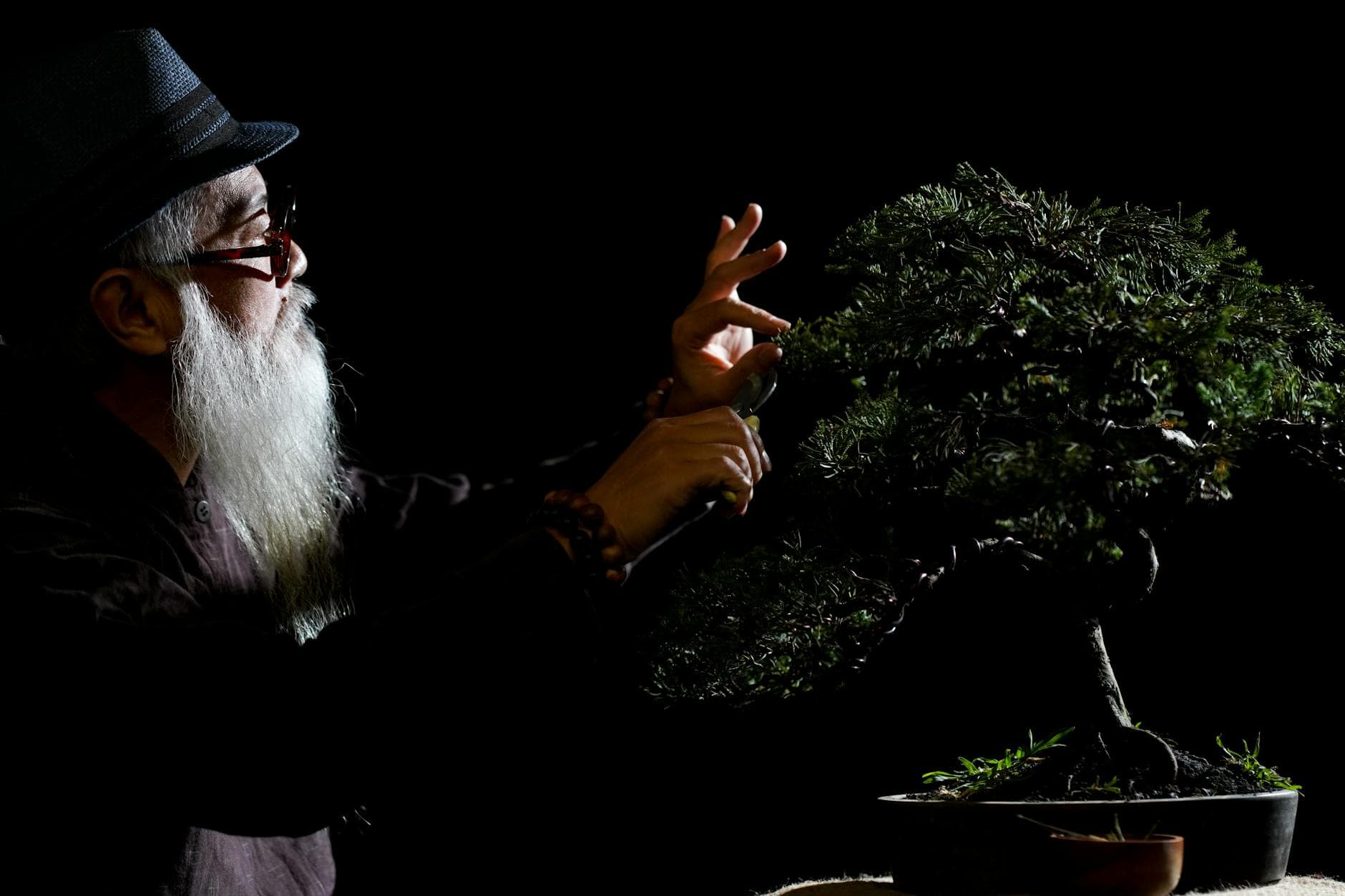
Why endangered trees make sense in miniature
For truly imperiled species, the logic is straightforward. If the wild range is collapsing, a carefully grown bonsai can function as a backup population, a public educator, and a source of future propagation material. That is especially true when the species is already rare enough that every surviving individual matters.
Conservation science already uses translocation and ex situ plant populations to reduce extinction risk, and that is where bonsai fits the larger picture. The U.S. Fish and Wildlife Service says it works with experts to identify species on the verge of extinction and build recovery plans, while the U.S. Forest Service notes that the Endangered Species Act was passed on December 28, 1973, to conserve endangered and threatened species and the ecosystems they depend on. Bonsai does not replace those tools, but it can complement them by keeping genetically valuable trees alive in human care.
The hard part: collecting responsibly
If bonsai is going to help conservation instead of just borrowing its language, collection ethics have to stay front and center. Yamadori can produce spectacular material, but wild collection only makes sense when it is legal, justified, and tied to real stewardship, not specimen hunting. The Forest Service’s support for these traditions includes special use permits, which is a reminder that the wild tree is not fair game just because it looks dramatic in a pot.
This is where hobbyists should be honest with themselves. A tree lifted from a mountain slope is not automatically a conservation act. The provenance, the permit trail, the aftercare, and the long-term plan are what separate responsible stewardship from extraction dressed up as craft.
Why hobbyists should care now
The reasons are piling up: climate pressure is shifting growing zones, habitat loss keeps fragmenting native ranges, overharvesting still takes a toll, and invasive species can erase recovery just when a species starts to rebound. In that environment, bonsai is not a side quest. It is one more way the plant community can keep rare genetics alive while the bigger fights continue on the ground.
That is also why the public-facing role matters. A bonsai tree can do something a seed bank cannot: it can stand in front of a room, or on a bench at a show, and make biodiversity loss feel immediate. When people see a tiny tree that represents a species hanging by a thread in the wild, the conservation message stops being abstract and starts looking like a live plant they can care about today.
The real value of a living archive
Bonsai will never save a forest by itself, and it should not be sold as a shortcut around habitat protection. Its value is narrower and, in some ways, stronger: it keeps a genetic story alive in a form people can see, study, and propagate. In a time when some of the world’s rarest trees are down to tiny wild populations, that is not just beautiful. It is practical insurance, rooted in patience, skill, and the stubborn refusal to let a lineage disappear quietly.
This article was produced by Prism’s automated news system from verified source data, official records, and press releases, then run through automated quality and moderation checks before publishing. The system is built and supervised by the people who set the standards it runs under. Read our full AI policy.
Did this article answer your question?