Bonsai Direct marks World Bonsai Day with live sales and beginner advice
World Bonsai Day opens with live shopping, public demos, and beginner-friendly care tips that make the hobby feel easier to enter.
What to do on World Bonsai Day
May 9 is the day to step into bonsai, not just admire it from a distance. Bonsai Direct is using the moment to push the hobby into the open with a TikTok Live on Friday, May 8, 2026, promising flash sales, exclusive offers, and a first look at premium trees, while public events in Washington, D.C. and Wisconsin turn the same weekend into a hands-on celebration of the art.
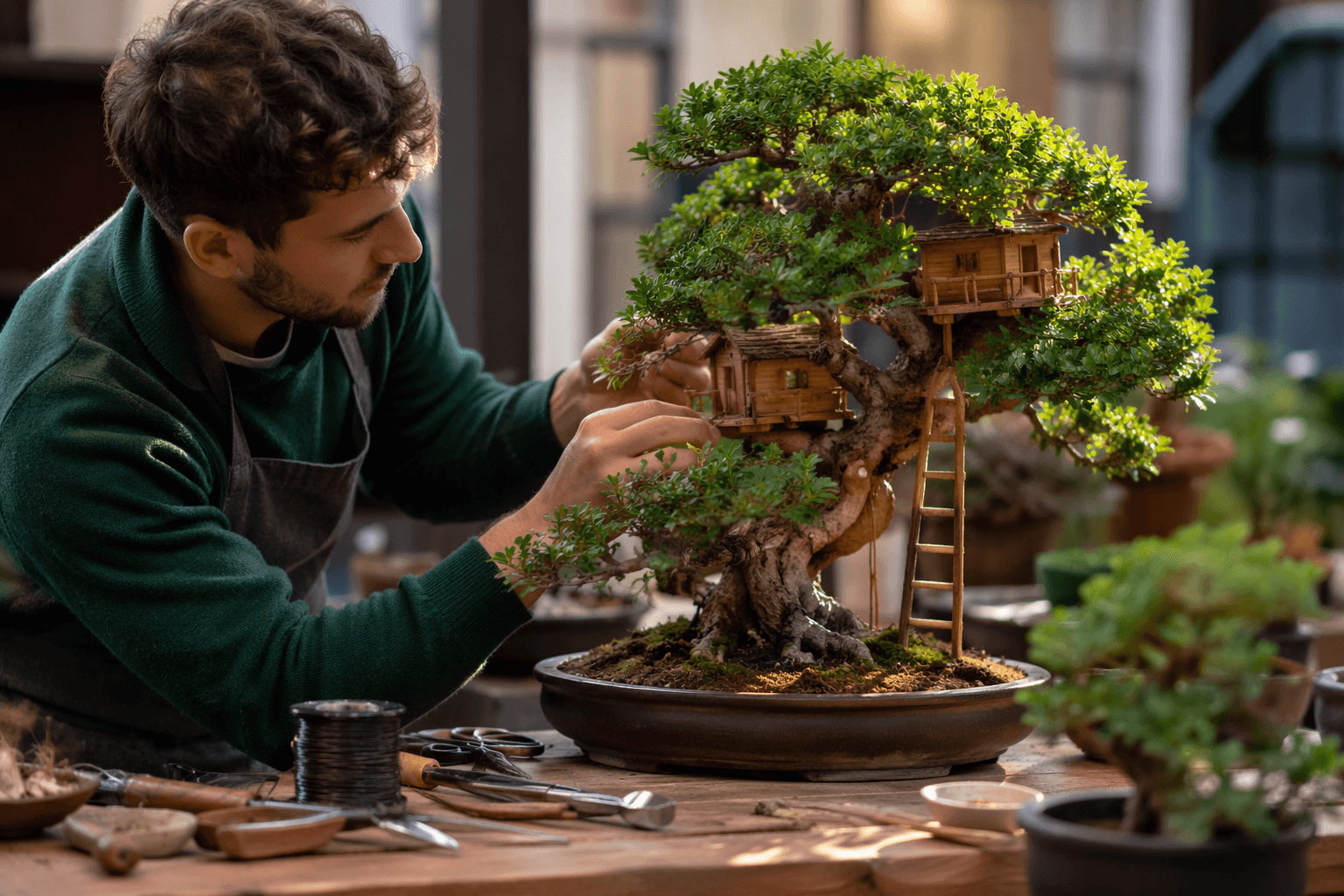
The appeal is bigger than a sale. World Bonsai Day is presented as a chance to slow down, study a tree’s structure, and remember that bonsai is not a static product but a living practice shaped over years. That matters for beginners, because the day is built around access: you can see trees up close, ask questions in real time, and learn enough to make a first purchase feel less like a gamble and more like the start of a long relationship with a tree.
Why this weekend matters in bonsai circles
World Bonsai Day has become a useful marker for the hobby because it connects daily care with the wider history of bonsai, including its place in Japan’s Golden Week season and the international culture around the craft. Bonsai Direct leans into that idea by framing the day as a celebration of patience, observation, and respect for nature, rather than just another promotional event.
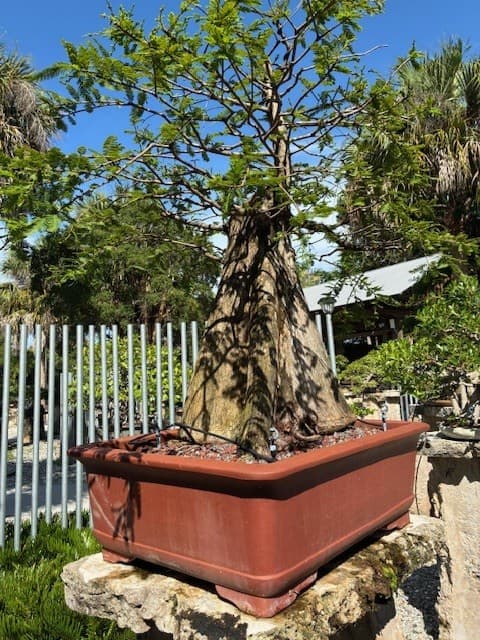
That framing reflects how the hobby works in real life. Some trees on benches have been shaped over decades; others are only beginning their journey. When you approach bonsai through that lens, May 9 becomes less about buying something and more about joining a community that values long-term care, seasonal timing, and the quiet satisfaction of gradual improvement.
How Bonsai Direct lowers the entry barrier
The TikTok Live on May 8 is the practical doorway in this story. Bonsai Direct says viewers will get flash sales, exclusive offers, and premium trees, but the bigger value for beginners is the format itself: you can ask questions, judge a tree’s structure before you spend money, and see character details that are hard to read from a still photo.
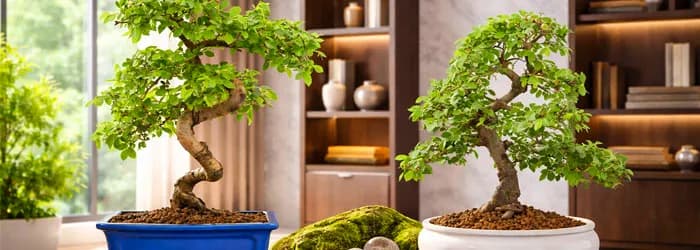
That matters because bonsai selection is personal. A tree that looks good online may not suit your light, your space, or your schedule, while a tree with the right trunk movement and healthy branching can become a strong first project. Bonsai Direct’s advice keeps the bar low in the best possible way: check the soil, trim a shoot, or start with a species that fits your space and lifestyle.
A few basics are worth keeping in mind as you watch the live sale:
- Check the soil before you do anything else. Moisture tells you more than guesswork does.
- Look for structure, not just foliage. Trunk line, taper, and branch placement matter.
- Start with a tree that matches your routine. A manageable species is better than an ambitious one that outpaces your care.
- Think long-term. Healthy trees create a better experience for everyone, and sustainable growing is part of the hobby’s ethic.
Where World Bonsai Day is showing up in public
The weekend is not limited to livestream commerce. The U.S. National Arboretum lists World Bonsai Day and the Potomac Bonsai Festival for May 8 through May 10, 2026, with daily hours from 10 a.m. to 4 p.m. That kind of public scheduling gives the day real weight: it is not only a social-media touchpoint, but a full weekend of plant viewing, education, and community gathering in Washington, D.C.
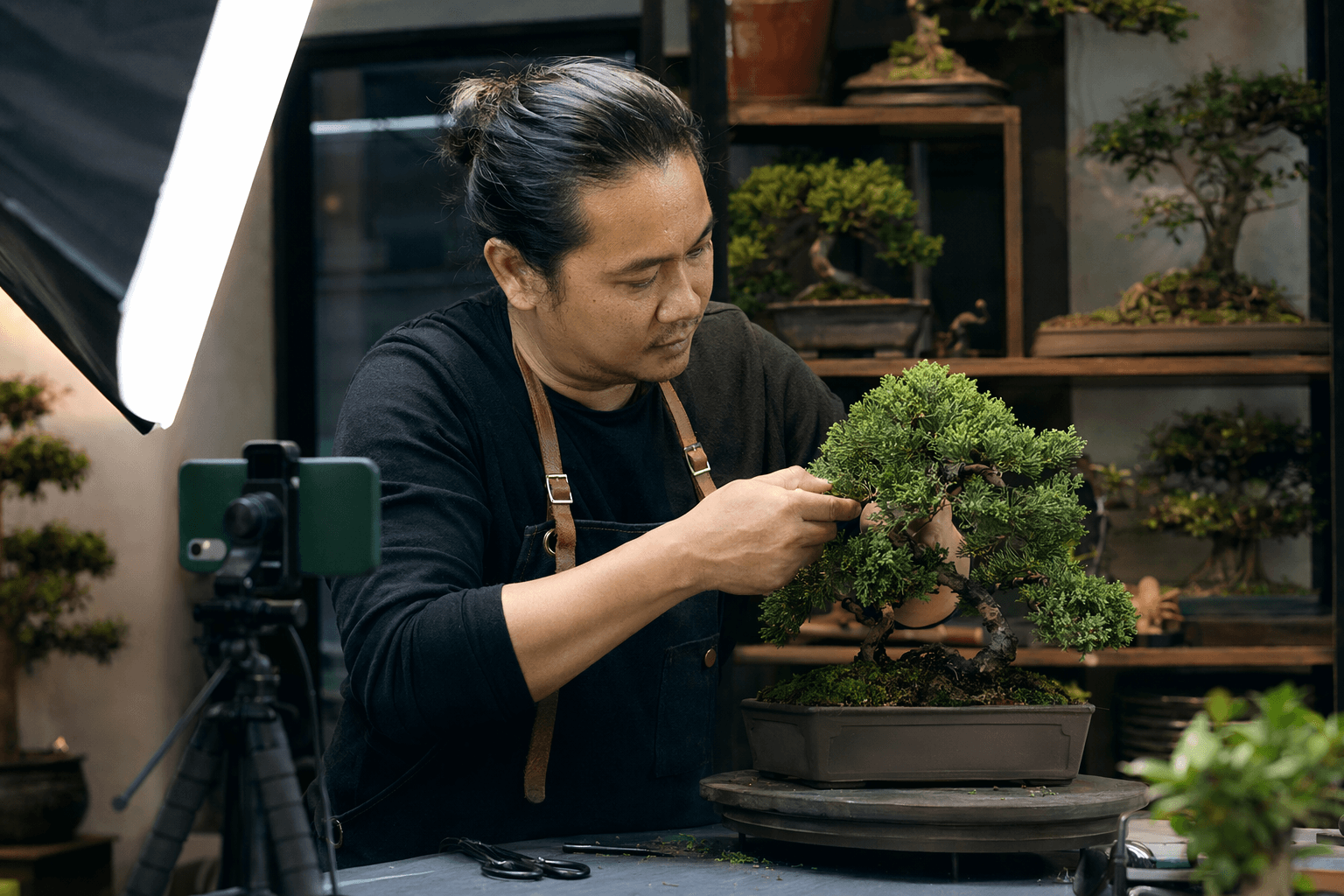
Milwaukee is offering a more concentrated stop on May 9. Milwaukee County lists World Bonsai Day at Boerner Botanical Gardens in Hales Corners, Wisconsin, from 9 a.m. to 4 p.m., with live bonsai demonstrations at 10 a.m. and 1 p.m. For a beginner, those demo times are the kind of detail that turns curiosity into a plan, because watching a styling or care process in motion often explains far more than reading about it.
Together, those programs show how the hobby is evolving. A live sale can help you buy a tree; a botanical-garden demo can show you what to do with it once it arrives home. The overlap is exactly what makes this year’s World Bonsai Day feel useful rather than purely ceremonial.
The Japanese seasonal context behind the celebration
The global framing also points back to Japan, where the Omiya Bonsai Festival in Saitama is held annually during Golden Week. For 2026, the dates are listed as May 3 to May 5, and the Omiya Bonsai Art Museum says its Golden Week exhibition includes volunteer-guided tours of the bonsai on display.
That detail matters because it places World Bonsai Day inside a broader seasonal rhythm, not outside it. Omiya Bonsai Village has long been one of the key places where bonsai is treated as a public art form, and the guided tours make the display feel welcoming rather than intimidating. If you are trying to understand why the hobby holds such loyalty, that blend of expertise and invitation is a big part of the answer.
How the hobby got here
Bonsai is often described as a Japanese art, but the roots run wider and older. Bonsai Empire says the practice originated in China as pun-sai, or pun-tsai, around 700 AD, before the Japanese term bonsai developed from that tradition. That origin story helps explain why the craft feels both precise and portable: it has moved across cultures while keeping its emphasis on shaping living material with patience and restraint.
The organized side of the hobby has a global history too. Bonsai Clubs International says it was founded in 1960 to advance bonsai and related arts through international sharing of knowledge. That makes the current World Bonsai Day mix of livestreams, public festivals, and hands-on instruction feel like a natural extension of what the community has been building for decades.
A hobby moment that feels open instead of exclusive
What stands out in this year’s World Bonsai Day lineup is how many different ways you can enter the same world. You can tune into Bonsai Direct’s live sale, walk into a public festival, watch a demonstration at Boerner Botanical Gardens, or follow the Golden Week tradition in Omiya. Each route offers the same basic message: bonsai rewards attention, and you do not need to be an expert to begin.
That is the real shift here. The day is being used to make the craft more visible, more teachable, and less intimidating, while still preserving the discipline that gives bonsai its depth. For anyone ready to start, May 9 is not just a date on the calendar. It is a clean entry point into a living art.
This article was produced by Prism’s automated news system from verified source data, official records, and press releases, then run through automated quality and moderation checks before publishing. The system is built and supervised by the people who set the standards it runs under. Read our full AI policy.
Did this article answer your question?