Bonsai Garden at Lake Merritt Marks 25 Years with Anniversary Book
A 123-page anniversary book turns Lake Merritt’s 25th year into a portrait of the volunteers who keep Oakland’s public bonsai garden alive.
A volunteer garden that had to be built by hand
The 25th anniversary book for the Bonsai Garden at Lake Merritt does something most commemorative projects never bother to do: it shows the machinery behind the beauty. Instead of treating the garden as a finished landmark, it lays out the volunteer labor, donor support, and stubborn continuity that made a public bonsai collection possible in Oakland.
That is the right lens for this place. The Bonsai Garden at Lake Merritt says it is the only major all-volunteer bonsai garden in the country, and that fact explains everything from the pace of its growth to the way its collection is rotated and cared for. This is not a set-and-forget display. It is a living institution, kept open by people who keep showing up.
The book is the story, not just the souvenir
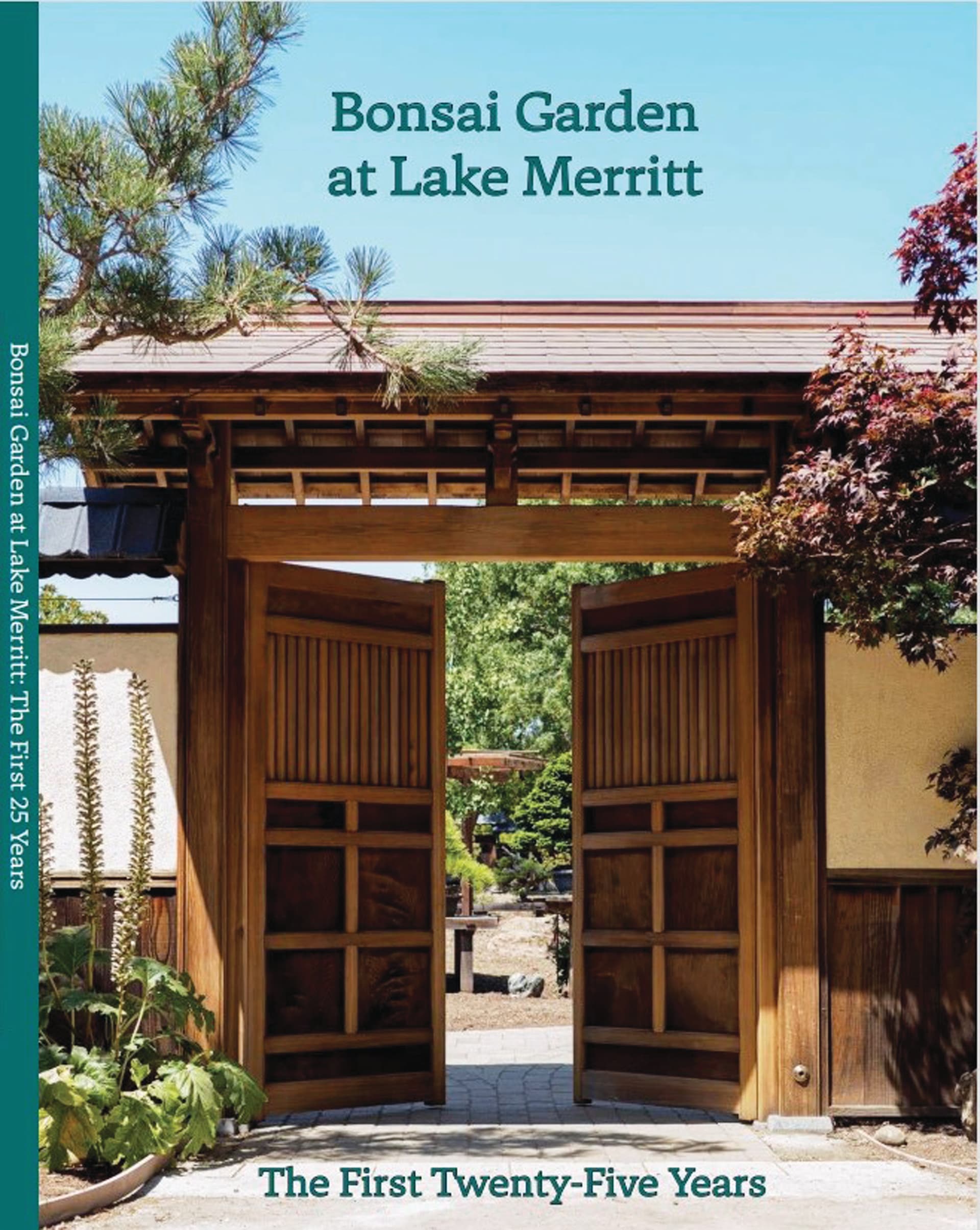
The anniversary project, titled *Twenty-Five Years of Growth - Past, Present, and Future*, is a 123-page book that took more than 13 months to research and produce. It also required six separate photo shoots, which makes sense once you realize the book had to do more than celebrate finished trees. It had to document the history of the garden, the donors and supporters who underwrote it, the volunteers who carried it, and the museum-quality bonsai and suiseki stones that give the collection its depth.
The book was produced in both softcover and hardcover editions and debuted during the garden’s anniversary celebration in November 2024. It was previously known under the working title *The First 25 Years of the Bonsai Garden at Lake Merritt*, a fittingly plain name for a project that is really a ledger of labor and persistence. The final version recognizes more than 1,700 contributing individual names, which is exactly the kind of number that tells you this garden was never built by a single generation.
How Lake Merritt became the site
The garden’s history reaches back to 1974, when the idea first began taking shape. By 1996, Seiji Shiba had taken over as chairman and, with the help of John North, reached an agreement with the City of Oakland to place the garden at Lake Merritt. That decision set the course for the site at Lakeside Park, where the collection now sits at 650 Bellevue Ave., Gate 4.
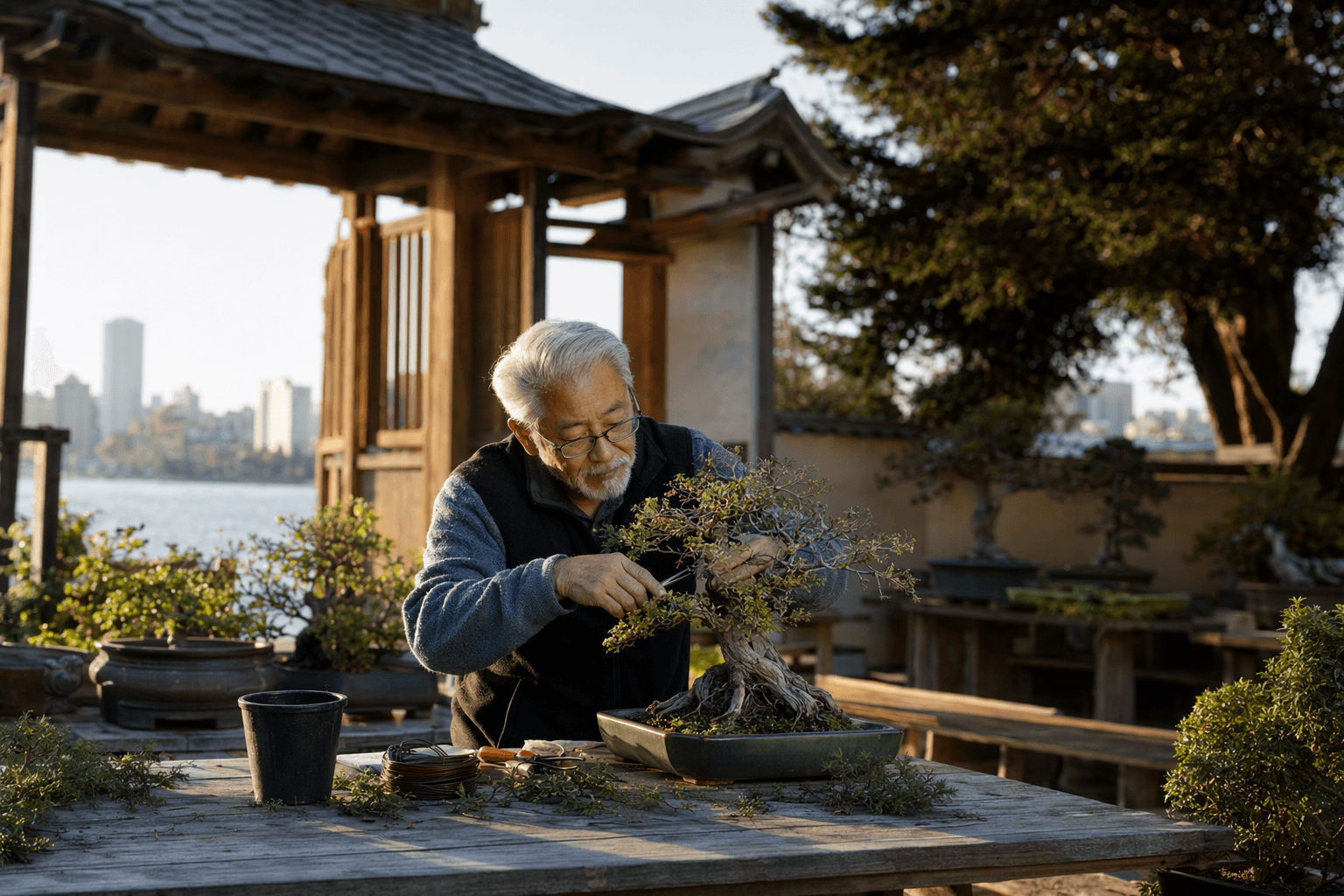
The garden opened in November 1999 after extensive volunteer labor, with only one paid contractor, Steve Faulk. Another garden history page says the grand opening took place on November 6, 1999, and the anniversary celebration page marks the first 25 years from November 6, 1999 to November 6, 2024. That gives the book and the celebration a rare kind of precision: the 25th year was not just symbolic, it was calendar-true.
What the collection looks like today
The Bonsai Garden at Lake Merritt says it holds around 180 bonsai trees and suiseki viewing stones, though the public display typically shows about 100 trees at a time because the collection is rotated seasonally. That rotation matters. It keeps the display from going stale and lets visitors see different trees over the course of the year, which is exactly how a bonsai garden should work when the trees are maintained as a collection, not just as individual specimens.
Some visitor guides describe the garden as free to visit, and others call it a permanent home for more than 150 bonsai trees. Either way, the appeal is the same: this is one of the Bay Area’s most concentrated public bonsai experiences, and it is built for repeat visits, not one-time photo stops. The collection’s scale and the seasonal rotation mean there is always something different to see.
The anniversary year was not all celebration
Oaklandside reported that the garden’s 25th year began with a robbery that damaged the wooden fence and stole several trees. That detail changes the tone of the anniversary story in a useful way. It is not just a tribute to the past, it is a reminder that preservation in a public garden includes security, repair, and the patience to keep moving after a hit.
That is why the anniversary book lands as more than nostalgia. It is a record of continuity under pressure, and a practical acknowledgment that public bonsai survives only when the community treats it like an ongoing responsibility. In a year that opened with loss, the book became a counterweight, documenting what had already been protected and what still needed protection.

A community event with real reach
The 2024 celebration was not a small club affair. A community listing for the event invited Oakland city officials from District 3 and Parks & Recreation, Friends of the Gardens at Lake Merritt, the Consul General of Japan in San Francisco, Japanese American communities, and the general public. That mix tells you exactly what the garden has become: a public cultural space, a civic project, and a point of connection between local volunteers and a broader bonsai community.
The garden is also widely regarded as one of the finest bonsai destinations on the West Coast, and some guides single out the Daimyo Oak as a signature specimen. That reputation did not happen by accident. It grew out of the same long, unglamorous work the book celebrates: donations, volunteer skill, donated labor, and the willingness to keep a public collection alive year after year.
Why this 25-year milestone matters
What makes this anniversary worth paying attention to is not only the age of the garden. It is the proof that a major public bonsai collection can survive without a conventional institutional backbone if enough people keep investing time, money, and memory into it. The Bonsai Garden at Lake Merritt has around 180 trees and stones, a rotating public display, and a history shaped by names that matter to the community, from Seiji Shiba and John North to the many volunteers recorded in the anniversary book.
The strongest message in *Twenty-Five Years of Growth - Past, Present, and Future* is that the garden’s future will depend on the same thing its past depended on: people willing to do the work. That is the real legacy here. The trees matter, but the collection endures because the volunteers do.
This article was produced by Prism’s automated news system from verified source data, official records, and press releases, then run through automated quality and moderation checks before publishing. The system is built and supervised by the people who set the standards it runs under. Read our full AI policy.
Did this article answer your question?