Bonsai Traces Roots to 200 BC China, Adapted and Refined in Japan
Ancient Chinese container-plant traditions, with images as early as 200 BC, evolved into the Japanese art of bonsai, shaping techniques and care practices hobby growers use today.
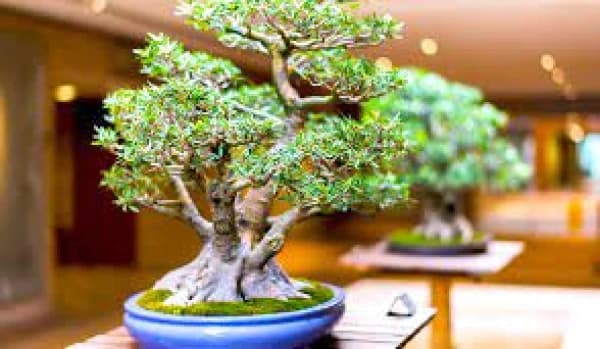
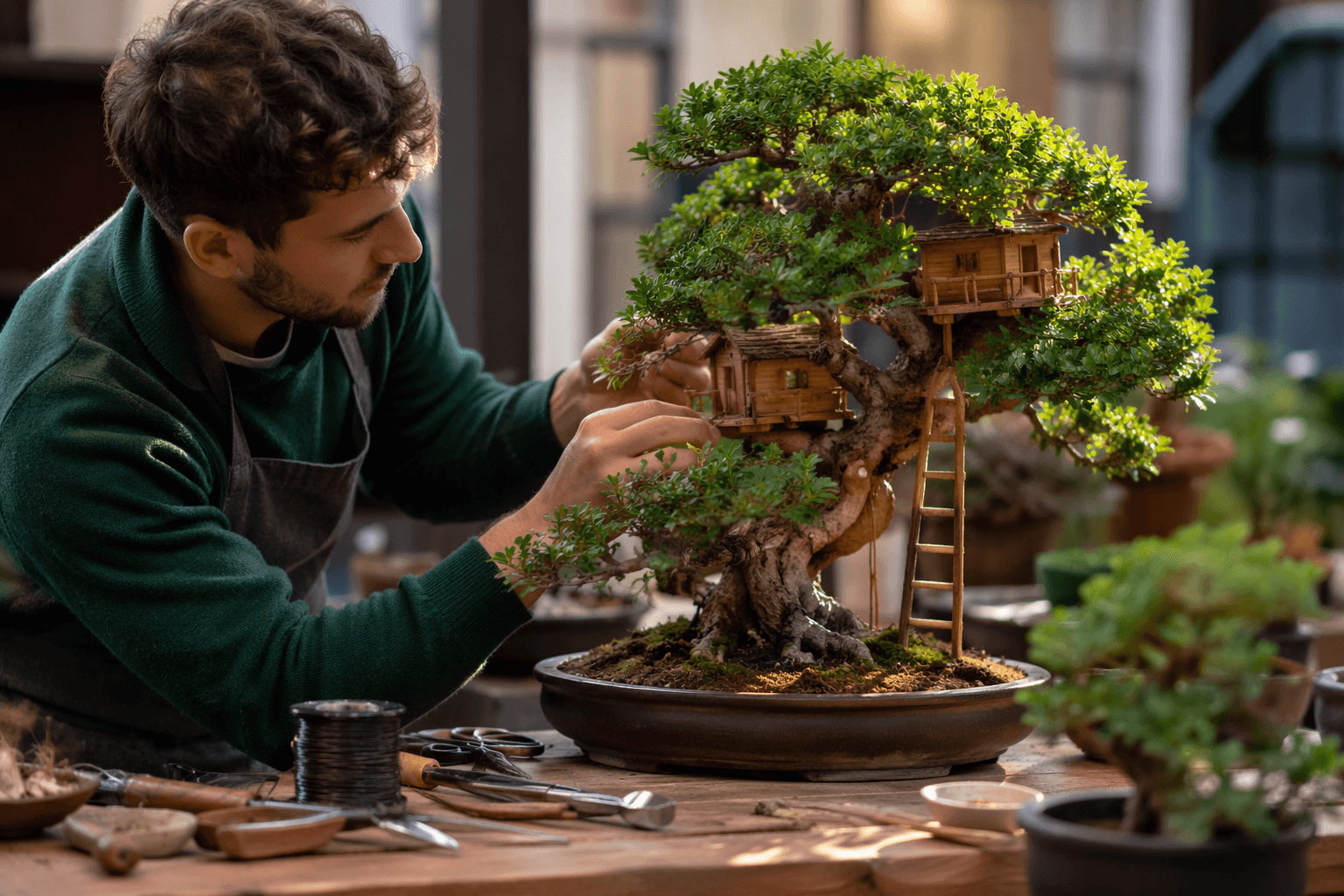
The practice of growing miniature trees in containers traces its roots to ancient China, where images of miniature landscapes appear as early as 200 BC, according to an early report of the evidence. By 700 AD the Chinese were using specialized techniques for dwarf trees in containers, a practice variously called pun-sai, penzai or penjing and originally cultivated by society’s elite.
In China these miniature landscapes began as prized objects collected from the wild and exchanged as luxury gifts. MyModernMet notes that “In Chinese, ‘pen’ means pot and ‘jing’ means scenery or landscape.” Longwood Gardens summarizes the line that links the traditions: “The Japanese art of bonsai originated in China as the practice known as penjing.” Over centuries those small landscapes moved across the water to Japan through diplomatic and religious contact; Wikipedia records that “at least 17 diplomatic missions were sent from Japan to the Tang court between the years 603 and 839,” and other accounts describe monks and envoys returning with container plantings.
Sources do not agree on the exact window for introduction to Japan. Bjornbjorholm emphasizes written and pictorial evidence pointing to importation during the Nara or Heian periods, one account says Japanese monks developed the form in the 11th century, and other sources place wider adoption around the Kamakura period, 1185–1333. What is clear is that once on Japanese soil the practice was adapted, refined and absorbed into local aesthetics. Bonsaiempire argues that Japan’s development of bonsai was shaped by Zen Buddhism and geographic constraints; the site also states that “Japan is only 4% the size of mainland China,” a claim offered as part of its explanation for a narrower range of landscape forms.
Language and craft changed in Japan. Bonsaiempire reports that around 1800 a group near Osaka renamed the dwarf trees “Bonsai” and that “Bonsai was now seen as a matter of design, the craft approach replacing the religious/mythical approach of tradition.” Longwood Gardens offers a practice-focused definition: “The idea behind bonsai is to imitate nature and the beauty of ancient trees with their rough bark and massive, expanding branches. To recreate the appearance of an older tree in miniature is to create a bonsai. Bonsai is a disciplined practice that combines art and horticulture to create a living sculpture. The plants require continuous care to develop and maintain the desired form.”

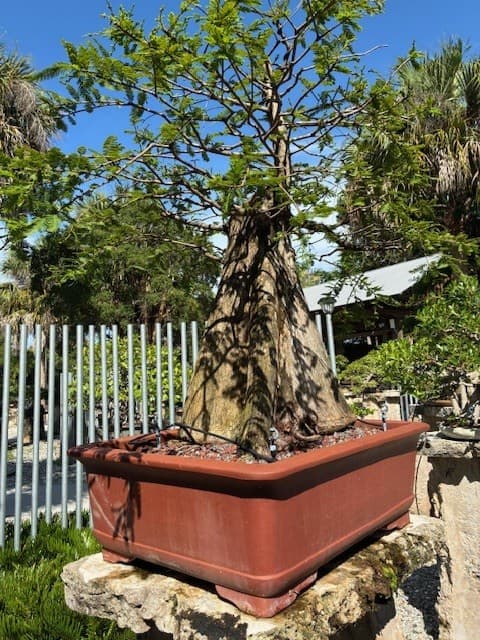
Those care practices remain the practical heart of the hobby. Longwood advises pruning to maintain form and root pruning every few years to keep a tree small and healthy, while Bonsaiempire notes that shallower containers - bon or pen - often suit dwarf potted trees better than deeper hachi bowls.
Notable artifacts anchor the story: a five-needle pine known as Sandai Shogun in the Tokyo Imperial Palace is thought to be at least 500 years old and was first trained as a bonsai by, at latest, the year 1610. Western awareness crept in from the 17th century, with the earliest known Westerner report in 1692, and modern Western bonsai collections expanded after Yuji Yoshimura’s 1959 class at Longwood Gardens prompted the institution to build its own collection.
For growers and clubs, the takeaways are both historical and practical. The craft you practice today is a living link to Chinese penjing and centuries of Japanese refinement; maintain the discipline of pruning and root work, favor appropriate shallow containers for dwarf material, and draw on both Chinese and Japanese techniques as you shape trees that are small in size but large in cultural lineage.
This article was produced by Prism’s automated news system from verified source data, official records, and press releases, then run through automated quality and moderation checks before publishing. The system is built and supervised by the people who set the standards it runs under. Read our full AI policy.
Did this article answer your question?