Bonsai Xperience workshop blends wellness, hands-on learning at Saiuen
Six hours at Saiuen gave beginners a tree, lunch, tools and a take-home option, while putting bonsai’s wellness pitch to the test.
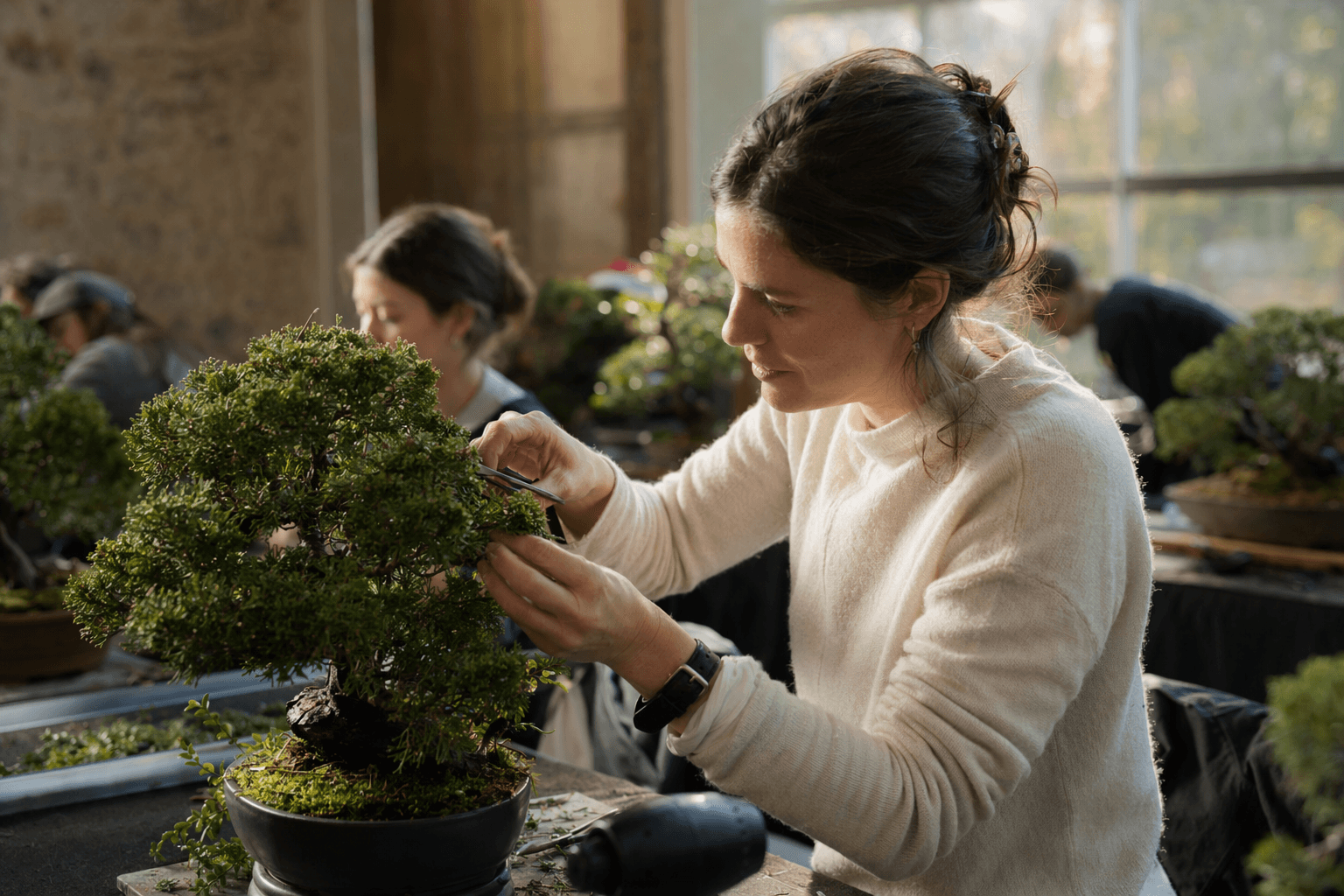
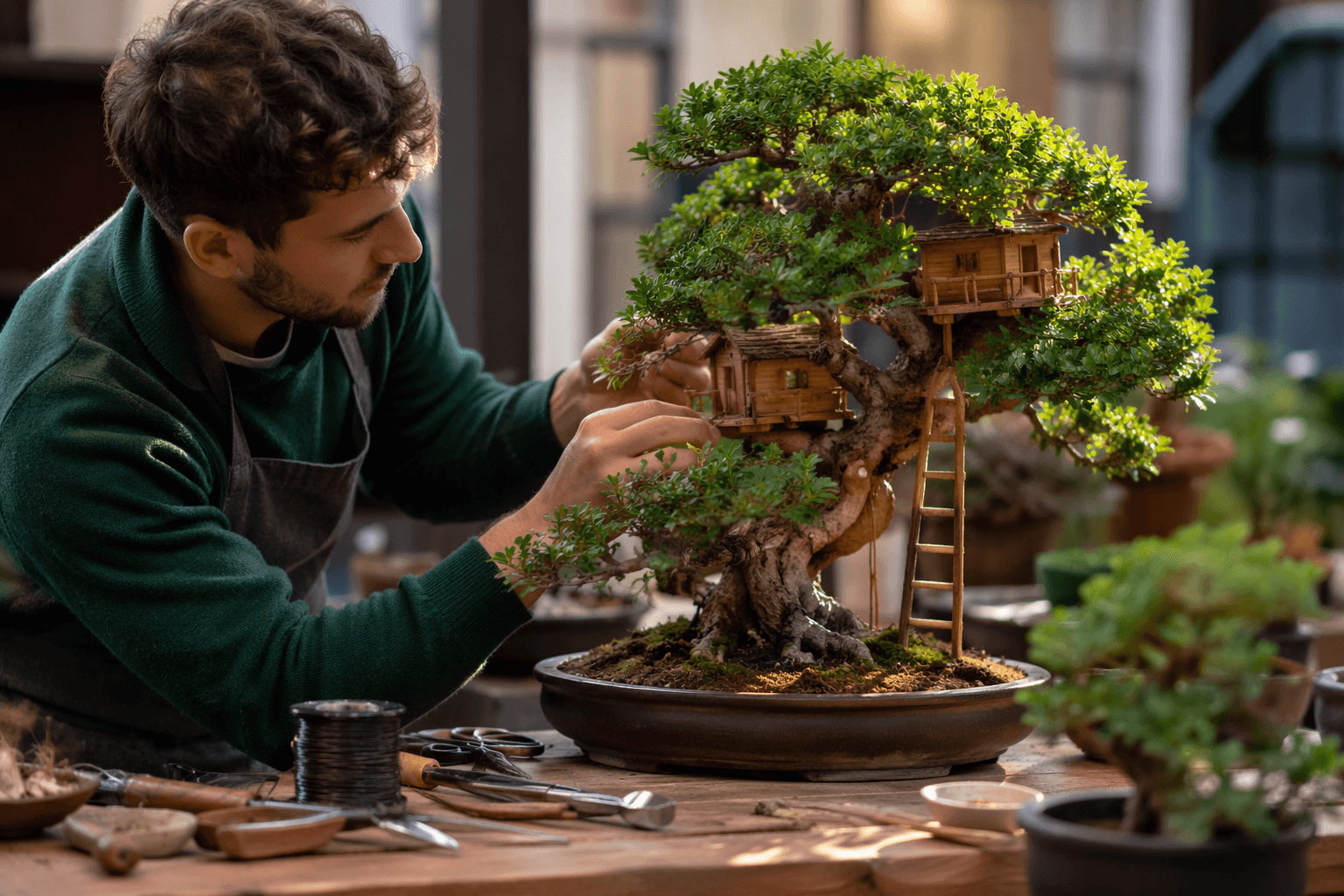
A $325 bonsai workshop at Saiuen in Granite Falls tried to do more than teach styling. Over six hours, The Bonsai Xperience gave participants all materials, supplies and trees, plus food and beverages, then offered a chance to buy their tree at the end of class for another $100.
That setup made the April 25 session unusually beginner-friendly for a premium-priced class. Nobody had to arrive with cutters, wire, soil or a preselected plant. The format was built around guided, hands-on work with a tree already in front of each attendee, which is exactly the kind of barrier-lowering move that can pull new people into the hobby. Saiuen, at 17720 Crooked Mile Rd., described itself as a former shrine turned tranquil Japanese garden and event space along the Pilchuck River, and that setting matched the workshop’s wellness pitch from the start.
The event was not sold as a formal lecture or a club demo. It was presented as a bonsai retreat meant to reconnect people with nature and support personal wellbeing, and a promotional video said the class was limited to just 8 spots. That small size mattered. With only eight seats, the workshop looked less like a standard instructional class and more like a guided, all-in experience, the kind where technique, atmosphere and pacing are all part of the product. For a bonsai newcomer, that can be the difference between a one-off curiosity and a real start in the hobby.
The wellness framing is not just marketing fluff. A 2023 Journal of Therapeutic Horticulture article surveyed 161 amateur bonsai artists and 11 professionals and concluded that bonsai can facilitate holistic health and wellbeing, with themes including patience, quiet enjoyment, people connections and nature connections. A separate 2021 study of 255 skilled practitioners found bonsai was associated with meaningful healing experiences and improved ecological, spiritual and emotional awareness, and described it as a low-resource intervention with therapeutic potential. The Saiuen class leaned hard into that same logic: slow work, close attention and a calm setting doing some of the heavy lifting.
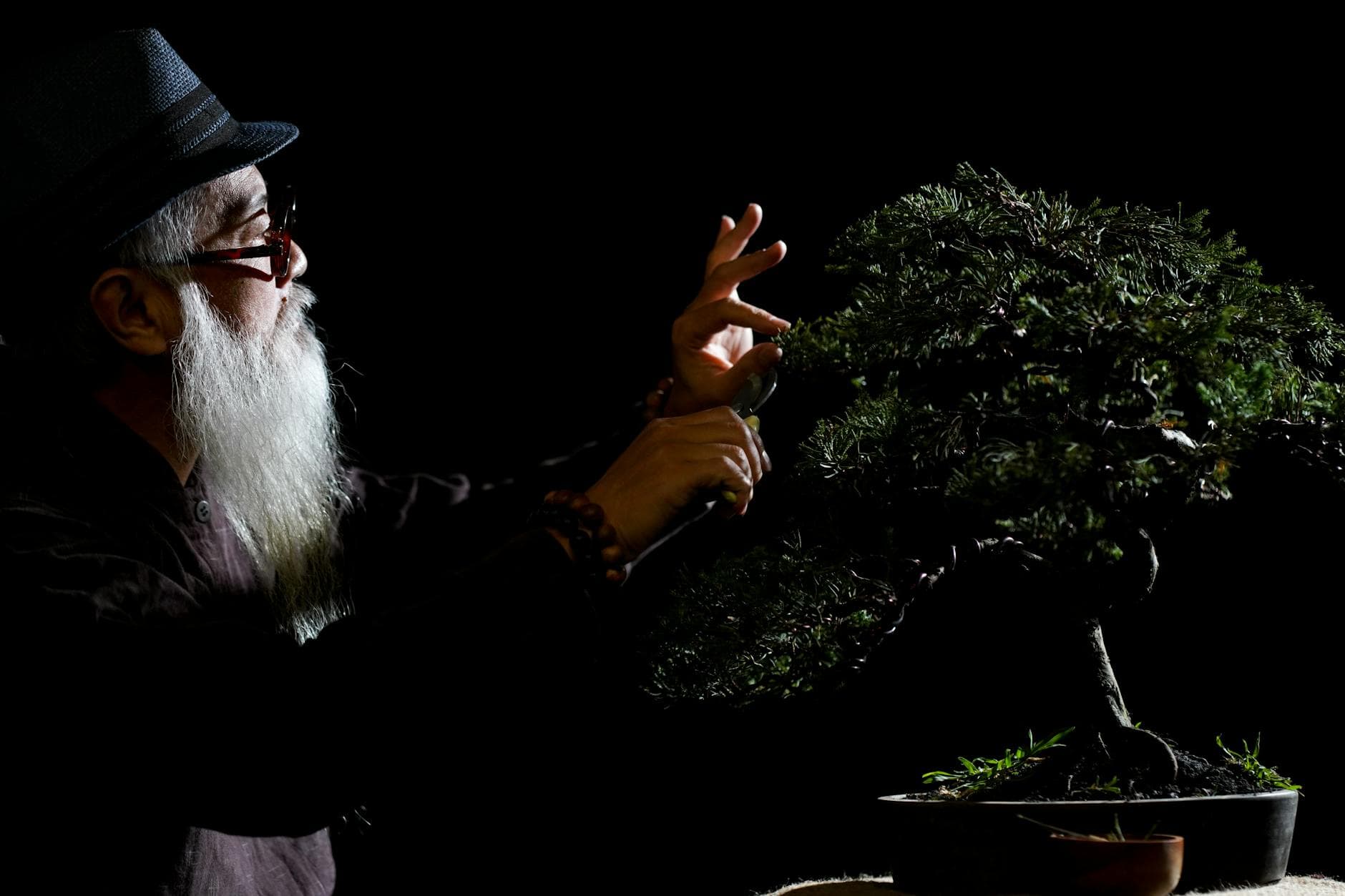
For readers used to the Pacific Northwest bonsai scene, the price put it in a different lane from the usual club workshop. Puget Sound Bonsai Association says its new-member workshops use a $75 materials fee, while guest-artist sessions typically run about four hours and cost roughly $60 to $90. Pacific Bonsai Museum in Federal Way also keeps the bar high, calling itself one of the few public collections worldwide devoted solely to bonsai. The Bonsai Xperience stood out as a curated, high-touch version of the same basic promise: hands-on learning, but wrapped in a retreat.
That broader context gives the format real weight. Japan’s official bonsai history site notes bonsai-related forms were documented in the early 1600s, and the National Bonsai & Penjing Museum in Washington, D.C., began with 53 trees gifted by Japan in 1976. Saiuen’s six-hour session did not try to cover that whole history, but it did place bonsai where it still works best: in the hands, in the room and in the pause between one cut and the next.
This article was produced by Prism’s automated news system from verified source data, official records, and press releases, then run through automated quality and moderation checks before publishing. The system is built and supervised by the people who set the standards it runs under. Read our full AI policy.
Did this article answer your question?