Bonsai Zone Shows Step-by-Step Poplar Pruning Preparing Trees for Spring
Learn the exact sequence Bonsai Zone used to prune Populus bonsai in a mid‑February YouTube orchard update so your trees wake into spring with cleaner structure and stronger buds.
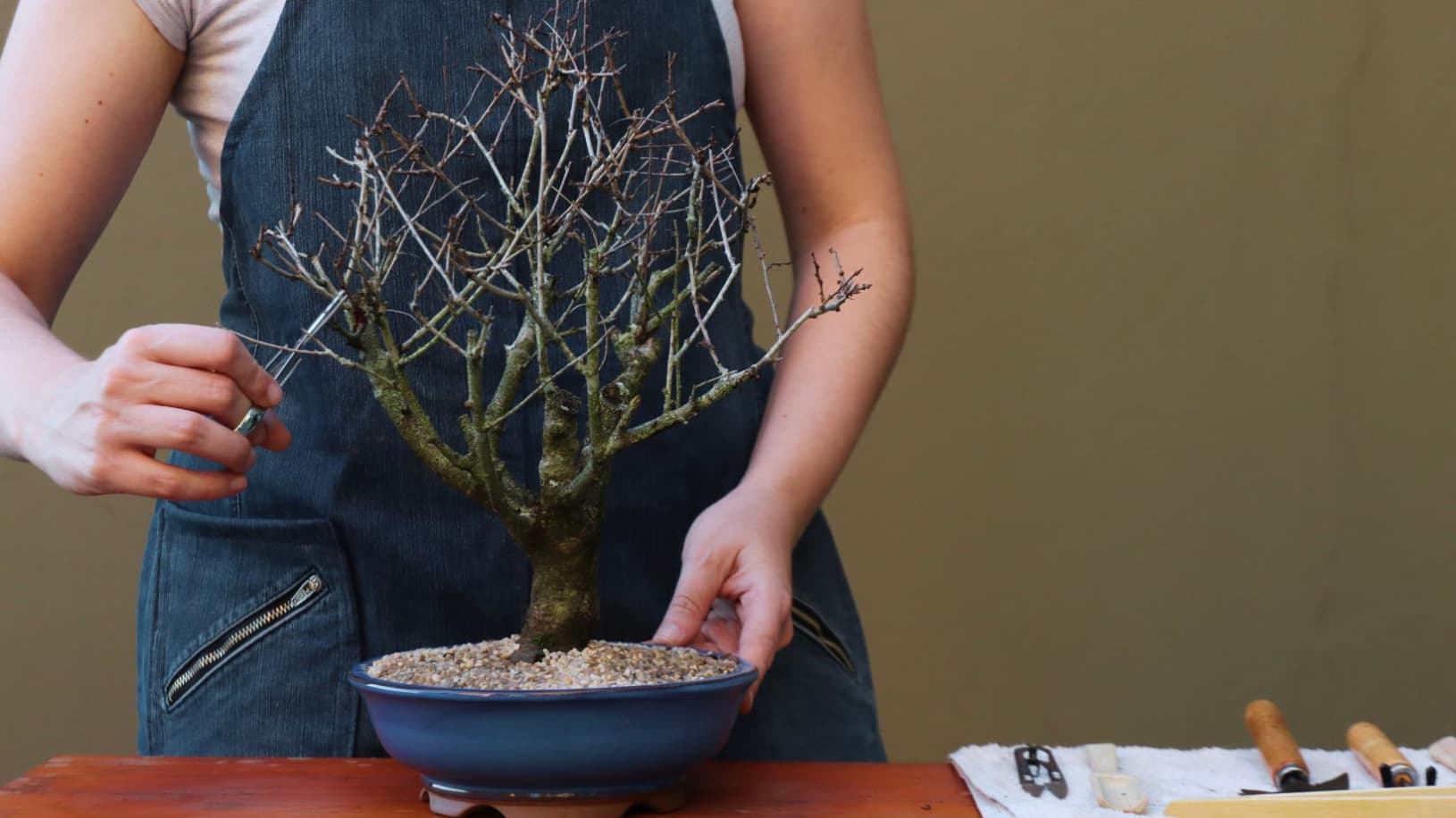
Prepare Populus bonsai for spring with the same step-by-step approach Bonsai Zone demonstrated in its mid‑February YouTube pruning and orchard update. The presenter works through real‑time pruning decisions on Poplar (Populus) specimens, and this guide distills that sequence into actionable steps you can follow in your own collection.
1. Survey the orchard and set your pruning goals
Begin by walking your bench and noting which Poplar specimens need structural pruning versus light maintenance; Bonsai Zone frames this as the first action in the February 18, 2026 video. The presenter explains pruning intent aloud as they move from tree to tree, making “real‑time pruning decisions” that balance bud positions, trunk movement, and next season’s silhouette. Use the same quick audit: mark trees that will receive heavy reduction, those needing thinning, and those requiring only minor tip work.
2. Check bud development and winter damage
Before cutting, inspect bud swells and any winter dieback on Populus shoots, Bonsai Zone pauses at each branch to show where buds are forming. Poplars produce visible bud signals in late winter; the video emphasizes pruning to live buds to avoid blind stubs. If you find winter‑killed tips, prune back to healthy tissue and note those trees for follow‑up after leaf‑out.
3. Remove dead, crossing, and inward‑growing branches first
The presenter’s first cuts are conservative removals: dead wood, branches crossing the trunk or growing toward the interior of the crown are taken out first. Bonsai Zone demonstrates these cuts across multiple Poplar specimens during the orchard update, explaining that removing structural conflicts early clarifies later shaping choices. This creates space for airflow and daylight, two goals called out repeatedly in the video as essential for spring vigor.
4. Make real‑time structural decisions guided by bud placement
As shown in the mid‑February footage, each pruning decision on the Populus trees is guided by the location and direction of buds; the presenter trims back to outward‑facing or well‑angled buds to encourage desired branch trajectories. The video documents the thought process, choosing which long shoots to shorten and which to leave for future carvings, so you can mirror that decision logic in your own work. Treat this step as dynamic: pause, visualize the season ahead, and then cut.
5. Thin the canopy to improve light penetration
Bonsai Zone spends substantial time thinning the inner canopy on older Poplar specimens during the orchard update; the goal is improving light to inner buds and next year’s ramification. Thinning is done selectively, keeping a balanced silhouette while opening the center. This is especially important on Populus, which can produce vigorous lateral shoots; the mid‑February session shows how selective removal reduces congested growth without stripping the tree.
6. Shorten long shoots for ramification and scale
After thinning, the presenter shortens dominant long shoots to encourage finer branching, an approach repeated across the Poplar group in the video. Cuts are made to a bud or secondary branch that will produce smaller‑diameter shoots, and Bonsai Zone demonstrates this consistently so you can see the before/after on each specimen. This timing, late winter before strong sap flow, lets the tree direct energy into controlled new growth come spring.
7. Make clean cuts and maintain tool hygiene
Throughout the real‑time pruning, the presenter uses sharp shears and pruners and reminds viewers of clean, precise cuts; the camera shows closeups of blade placement and wound size. Bonsai Zone’s orchard update emphasizes tool cleanliness to prevent disease transmission between Poplar trees, especially important when working across multiple specimens. Wipe blades between trees and keep cuts angled to shed water; the video’s practical framing makes this a visible habit to copy.

8. Take notes and label decisions on each tree
One of the clear takeaways from the February 18 content is the habit of noting what you cut and why, Bonsai Zone records pruning choices as part of the orchard update workflow. Label pots or keep a short notebook entry: trunk work done, areas left for future wiring, and expected next‑season targets. This step preserves the “real‑time decisions” context shown on camera and helps you evaluate outcomes after spring leaf‑out.
9. Plan follow‑up wiring and refinements
The presenter leaves some shaping decisions, especially wiring and finer ramification, for after the first spring flush; the video shows pruning done now to create the framework that wiring will refine. Use the period after initial bud break to install wiring on branches you delayed, following the clearer branch positions produced by your pruning. Bonsai Zone’s approach in the orchard update demonstrates that pruning first, wiring later, reduces the risk of overworking Poplar wood while sap is moving.
10. Schedule post‑pruning aftercare: water, mulch, and watch for pests
Bonsai Zone closes the pruning segments with reminders about aftercare for Populus bonsai: steady watering, a light spring mulch if your potting mix permits, and monitoring for pests once leaves appear. The video frames these as practical steps to protect cut tissue and to support the new flush prompted by your cuts. Keep an eye on vigor and adjust feeds gradually; Poplars can push strongly after pruning and benefit from routine monitoring.
- Tools: sharp secateurs and a small saw for thick branches; clean blades between specimens.
- Targets: prune to live buds and outward growth; remove crossings and inward branches first.
- Timing: mid‑February is when Bonsai Zone performed its orchard update, late winter before full sap rise is ideal.
- Recordkeeping: note cuts, expected outcomes, and trees that need follow‑up wiring.
Practical checklist (things the Bonsai Zone video highlighted)
Why this sequence matters Bonsai Zone’s mid‑February YouTube orchard update demonstrates pruning as a decision flow, not a single action: survey, prioritize, prune for structure, then refine. Watching the presenter make real‑time choices on Populus specimens gives you a template for judging which cuts to make now and which to defer, an approach that reduces mistakes and speeds progress toward a balanced spring canopy.
Watch, then do If you want to replicate the workflow, watch the video from Bonsai Zone (posted February 18, 2026) to see each cut and decision in context; then tackle one tree at a time using this numbered sequence. Follow the same audit and note‑taking habits the presenter uses, and your Poplar bonsai will enter spring with clearer structure and a stronger roadmap for refinement.
This article was produced by Prism’s automated news system from verified source data, official records, and press releases, then run through automated quality and moderation checks before publishing. The system is built and supervised by the people who set the standards it runs under. Read our full AI policy.
Did this article answer your question?