California garden series brings back Saturday bonsai workshop
August’s bonsai workshop returns to the Earl Burns Miller Japanese Garden, giving newcomers a hands-on entry point inside a monthly Japanese arts series.
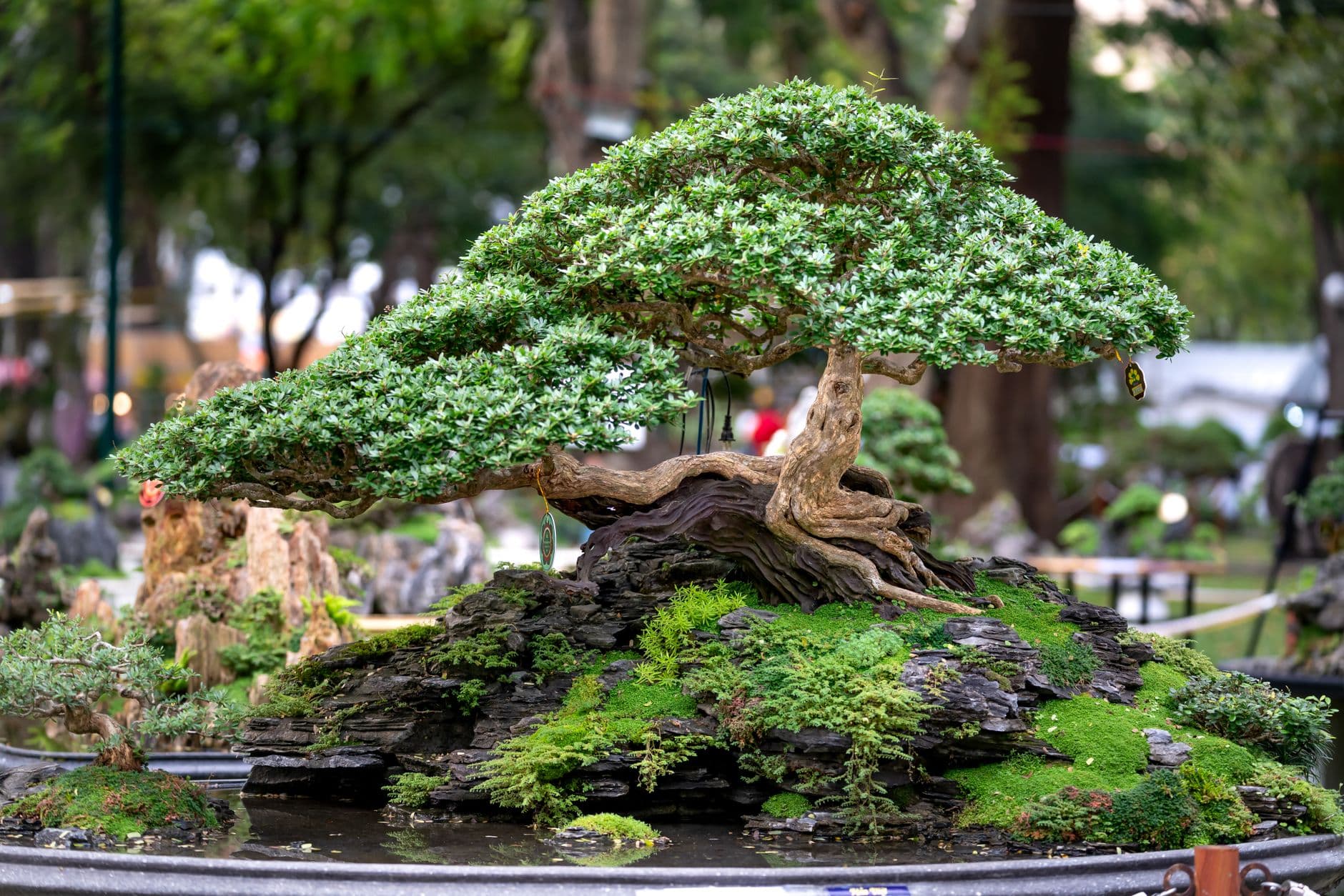
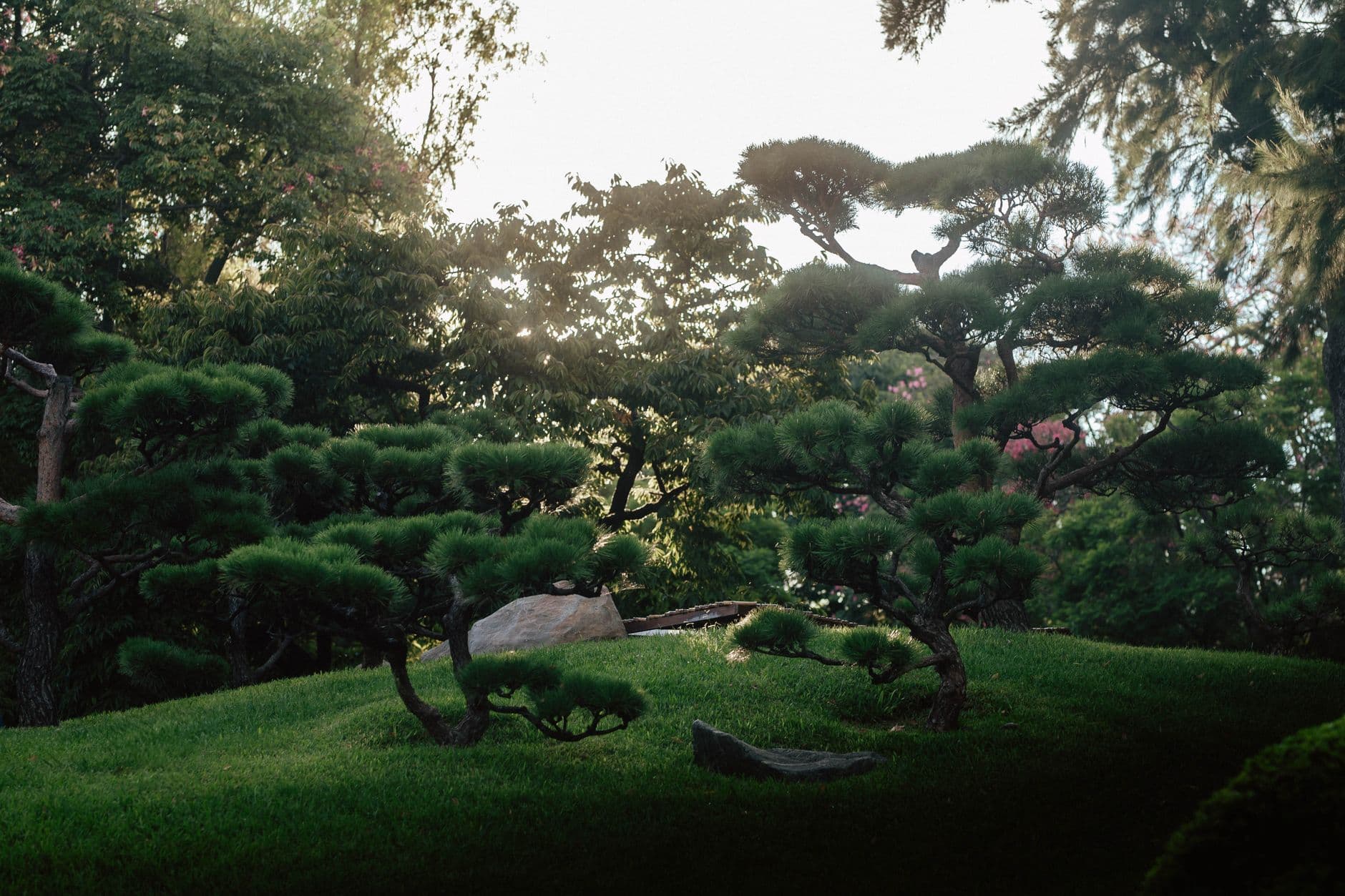
Bonsai is back on the calendar at the Earl Burns Miller Japanese Garden in Long Beach, and the appeal is bigger than one class date. The garden is using its Saturday Workshops at the Garden series to place bonsai inside a broader mix of Japanese culture, plant education and hands-on activity, which makes the entry point feel less like a specialist gate and more like an open door.
A monthly garden series with bonsai in the lineup
Saturday Workshops at the Garden runs on the second Saturday of each month. In the current rotation, a bonsai workshop is scheduled for August 15, and the garden wrote on Instagram, “Our Saturday Bonsai Workshop will be back in August.”
That bonsai slot does not sit in isolation. The same lineup has already included a July 18 kokedama session, and the garden also posted a Kintsugi workshop on Instagram for June 20 from 10 to 11 a.m. The workshop series rotates through Japanese arts rather than a single-topic demo.
Why this format works for bonsai
For newcomers wary of club culture or a more technical workshop circuit, the setting matters. The Earl Burns Miller Japanese Garden is presenting bonsai as one part of a public education program, not as a closed-door specialty night, and that changes the tone immediately. The workshop sits inside a garden that is already teaching through plants, design and craft.
That makes the hands-on structure useful. Bonsai tends to click best when the learning is tactile and repeated, and a monthly workshop series gives the practice some breathing room. Instead of treating bonsai as a one-time performance, the garden’s calendar makes it look like something you can approach in stages, alongside related forms such as kokedama and kintsugi.
What the pricing tells you about access
The series also signals accessibility through its posted pricing. One kokedama workshop post listed reservations as required and tickets at $10 per person and $5 for Garden members. Another Saturday workshop promo from the garden listed pricing at $15 per person, $10 for EBMJG members, plus an optional $20 take-home arrangement.
The garden is not asking newcomers to make a major upfront commitment before they know whether the craft is for them, and membership discounts make it even easier to keep returning. A separate event page also lists a special price of $10 per workshop for Garden members, reinforcing the same pattern.
What a first-timer is likely to get out of it
A first bonsai workshop in this kind of setting is less about leaving with mastery and more about leaving with confidence. You get a clear sense of where bonsai sits within a wider Japanese garden program, how it relates to other plant-centered crafts, and why a recurring workshop format makes sense for a practice that rewards patience.
Bonsai does not have to begin with a private club, a big material investment or a sense that everyone else already knows the rules. Here, it begins in a public garden, in a sequence that includes kokedama and Kintsugi.
This article was produced by Prism’s automated news system from verified source data, official records, and press releases, then run through automated quality and moderation checks before publishing. The system is built and supervised by the people who set the standards it runs under. Read our full AI policy.
Did this article answer your question?