Choosing your first indoor bonsai: Ficus, Dwarf Jade, Serissa, Carmona
Beginner indoor bonsai choices and simple care steps make starting easier, pick forgiving species, begin with one or two plants, and track light and watering to avoid common mistakes.
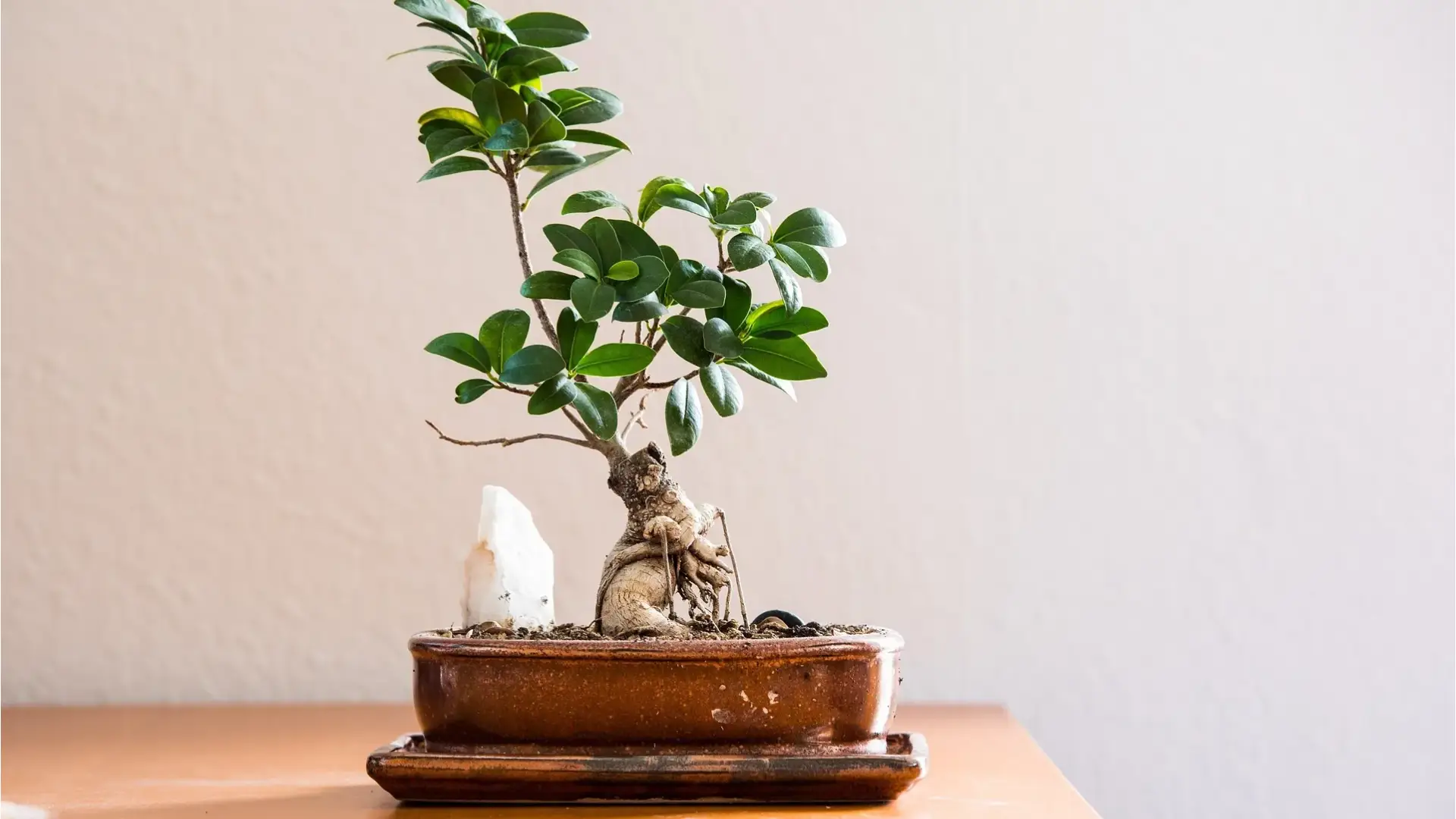
Why pick an indoor bonsai? Manageable size, decoration and a gentle introduction to bonsai care. For readers who want a small, leafy project, that compact scale is the headline benefit: indoor evergreens bring life, color and calm to a room, and with straightforward habits they can fit classrooms, homes and offices.
Start with the species that tolerate indoor life. A quick starter checklist names forgiving indoor bonsai as Ficus microcarpa or Ficus retusa, Dwarf Jade (Portulacaria afra), Serissa, and Carmona. The checklist even includes a truncated caution: "Avoid cold‑hard outdoor species if you plan t", the fragment appears in the source and should be confirmed before acting on it.
Begin small and build habits. "Begin small. Choose one or two easy plants, like a snake plant or a pothos. Put them in a sunny spot and follow the care instructions. Watch them for a few weeks. If you like caring for them, add one more plant every few months." Keep a small notebook. "Note when you water and how the plant looks. This will help you learn and avoid mistakes over time." Those are practical, time-tested steps for learning how a specific apartment or room affects any bonsai candidate.
Light and watering are the priorities. "Light is by far one of the most important elements for a plant." Aim for bright, indirect light - Comfortplants describes the ideal as "beach umbrella" lighting rather than direct, intense sun. Homesteadbrooklyn cautions that low-light tolerant plants still need light: "The word 'tolerant' isn't a synonym for 'love'." Artificial options such as incandescent, fluorescent, or LED fixtures can work where windows are limited.
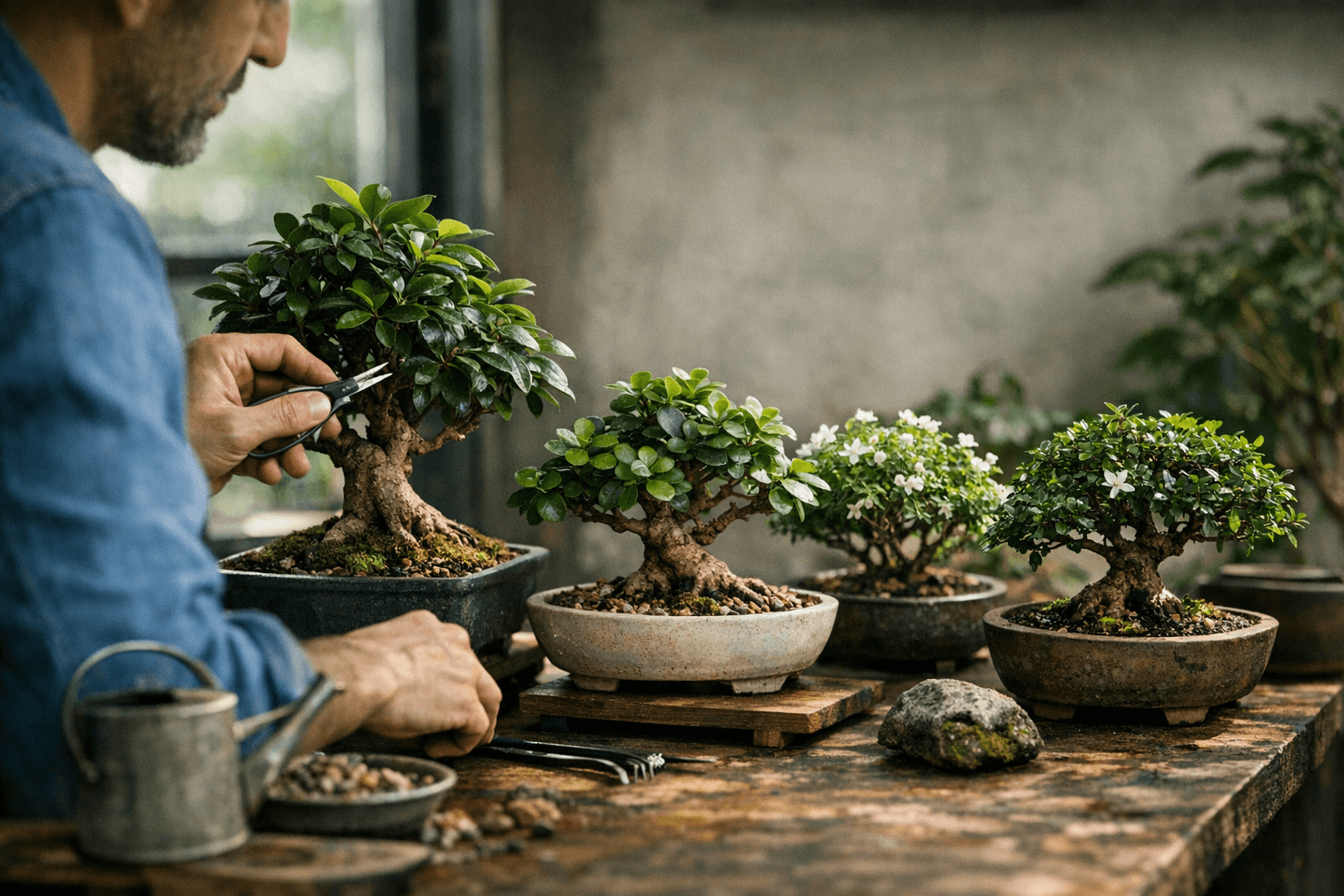
Watering mistakes are the most common rookie error. "Most indoor evergreen plants prefer their soil to dry out slightly between waterings. Overwatering is a common issue, so it's better to let the soil dry out a bit rather than keeping it constantly moist." Yellow leaves often point to overwatering; allow soil to dry more and check pot drainage. Some species are exceptions: Calathea prefers consistently moist but not soggy soil, and Chinese evergreen will "tell" you when it needs water by wilting.
Raise humidity with misting, a pebble tray filled with water, or a humidifier to keep tropical species comfortable. Prune overgrown stems on Aglaonema and know that some plants, like Pilea, produce babies you can propagate and share.
For first-timers the practical takeaway is simple: pick a forgiving species, place it where light matches its needs, log water and appearance, and observe for a few weeks before expanding your collection. Evergreen indoor plants reward that steady attention with cleaner air and a happier space. Happy planting from Planty Bloom!
This article was produced by Prism’s automated news system from verified source data, official records, and press releases, then run through automated quality and moderation checks before publishing. The system is built and supervised by the people who set the standards it runs under. Read our full AI policy.
Did this article answer your question?