Cincinnati bonsai workshop gives beginners a tree to take home
A $99 Cincinnati class gives beginners a tree, pot, wire, and soil, turning one six-hour session into a real bonsai start, not just a lecture.
Why this workshop is a smart first move
A six-hour class that ends with a tree in your hands is a very different entry point than a bonsai demo where you go home empty-handed. That is the appeal of the Bonsai Society of Greater Cincinnati’s beginner workshop at the Cincinnati Civic Garden Center: it is built to move you from curiosity to a finished first tree in one session, with enough structure to keep you going afterward.
The class is set up for people who want the real thing, not a watered-down craft project. For $99, capped at 26 participants, you get a small enough room to ask questions, but enough guidance to avoid the usual beginner trap of buying tools first and understanding the tree later.
What the session actually covers
The morning is not just a social intro. The workshop opens with the basics of how bonsai are created, plus the art’s history and philosophy, and the practical choices involved in selecting plants, tools, and products. That matters, because bonsai is not one decision, it is a chain of them: species, container, wire, watering, pruning, and aftercare all affect whether the tree survives the first season.
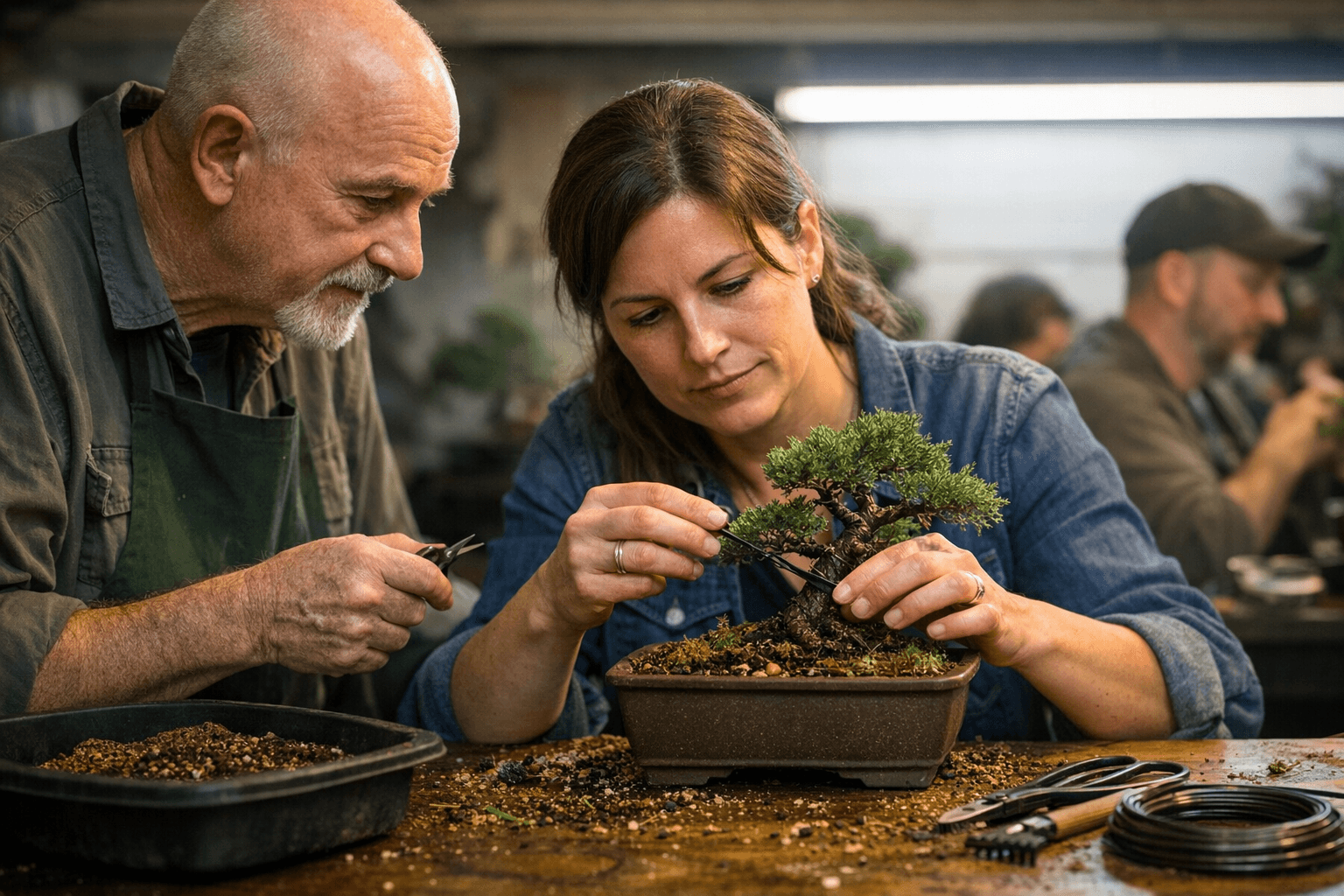
The afternoon is where the class earns its keep. Each participant gets a tree, a pot, wire, and soil, then works with an instructor to begin shaping a bonsai of their own. At the end of the class, you go home with the tree you created, which is exactly what makes this format stronger than a lecture or a casual club visit.
The first decision is not styling, it is species
If you are trying to start bonsai the fast, sane way, species choice is where you should slow down. The workshop’s own reading recommendation, Jonas Dupuich’s *The Little Book of Bonsai*, puts species selection alongside wiring, watering, pruning, pests, disease, tools, repotting, fertilizing, and container choice, which is the right signal to send to a beginner: the tree has to fit the life you can actually give it.
That is why take-home workshops work so well for first-timers. You are not left guessing at a nursery bench, trying to decide whether a plant looks bonsai-ish enough. You are being handed one tree, then shown how its shape, pot, and future care fit together before you make expensive mistakes.
First styling moves should be small and deliberate
The first afternoon shaping session should not be about forcing a dramatic design. It should be about setting structure: choosing the front, understanding the trunk line, placing wire cleanly, and making only the cuts that help the tree read as a bonsai instead of just a small shrub in a pot. The supplied wire and instructor guidance tell you what matters most at the start, which is not volume of work but precision.
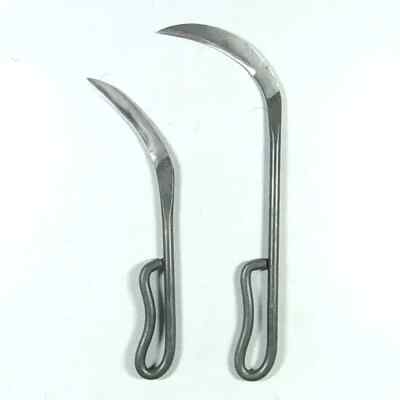
The suggested starter tool kit is also a clue to the right scale of the job. Fine scissors, a branch cutter, pliers, a root rake, and wire cutters are enough to begin without buying a drawer full of gear you do not yet know how to use. If a class asks you to bring home a masterpiece, it is overselling the moment; if it gives you the tools to make one good first pass, it is being honest.
Aftercare is where most beginners lose the tree
The danger after a first workshop is thinking the hard part is over. It is not. Watering, repotting, fertilizing, and pest control are the real follow-through, and that is why the workshop’s book recommendation is useful: *The Little Book of Bonsai* is a 112-page hardcover beginner guide that keeps the focus on the stuff people tend to improvise badly once they are home.
- watering on a schedule instead of checking the tree and soil
- treating the tree like décor instead of a living project
- repotting too soon because the pot is exciting
- ignoring pests and disease until the tree looks stressed
- buying more tools before learning what the first ones actually do
The common beginner mistakes are predictable:
The workshop format helps here because it connects the afternoon styling to the next weeks of care. You leave with a live tree, so the lesson immediately becomes responsibility, not just memory.
The real startup cost is lower than it looks
The cleanest way to think about the cost is simple: $99 gets you the class, the tree, the pot, wire, and soil. For a beginner, that is a complete on-ramp, because it removes the most frustrating part of the hobby, which is spending money before you even know whether you enjoy the work.
If you want to keep going, annual membership in the Bonsai Society of Greater Cincinnati is $45. That membership opens access to paid workshops by well-known bonsai artists, forums, and a local network of enthusiasts, so the one-day class can turn into a longer education path without a huge commitment.
Why Cincinnati’s club is built for this
The workshop is not happening in a vacuum. The Bonsai Society of Greater Cincinnati says it was formed in September 1964 at the Civic Garden Center by a group of 10 or 12 people, and its history page says the club grew out of ikebana, or flower-arranging, classes. That gives the society a long local lineage, not just an event calendar.
The venue also fits the mission. The Cincinnati Civic Garden Center says it offers classes, training series, volunteer workdays, free tours, and other programming around conservation, urban agriculture, gardening, and horticulture. Bonsai sits naturally inside that world because it asks for the same habits the center teaches everywhere else: patience, observation, and discipline.
The society’s April calendar shows the beginner workshop starting at 9:00 a.m. on April 11, 2026, alongside other programming that month. That matters because it shows the class is not a one-off novelty. It is part of an active schedule, which is usually the sign of a club that knows how to keep new people engaged.
Bonsai is personal, but it is not trivial
A 2021 peer-reviewed study in the *International Journal of Environmental Research and Public Health* surveyed 255 skilled bonsai practitioners and found that bonsai art was associated with meaningful healing experiences. That does not turn a workshop into therapy, but it does explain why bonsai keeps people hooked after the first tree survives its first season.
The best beginner path is the one that gets you learning by doing without burying you in gear, jargon, or false confidence. A take-home workshop like Cincinnati’s does exactly that: it gives you a tree, a clear first shape, and a reason to keep showing up.
This article was produced by Prism’s automated news system from verified source data, official records, and press releases, then run through automated quality and moderation checks before publishing. The system is built and supervised by the people who set the standards it runs under. Read our full AI policy.
Did this article answer your question?