Corin Tomlinson styles European hornbeam at Ontario bonsai club meeting
Corin Tomlinson’s European hornbeam demo gave KW Bonsai Society members a mid-summer lesson in front choice, branch selection and when to push or hold growth.
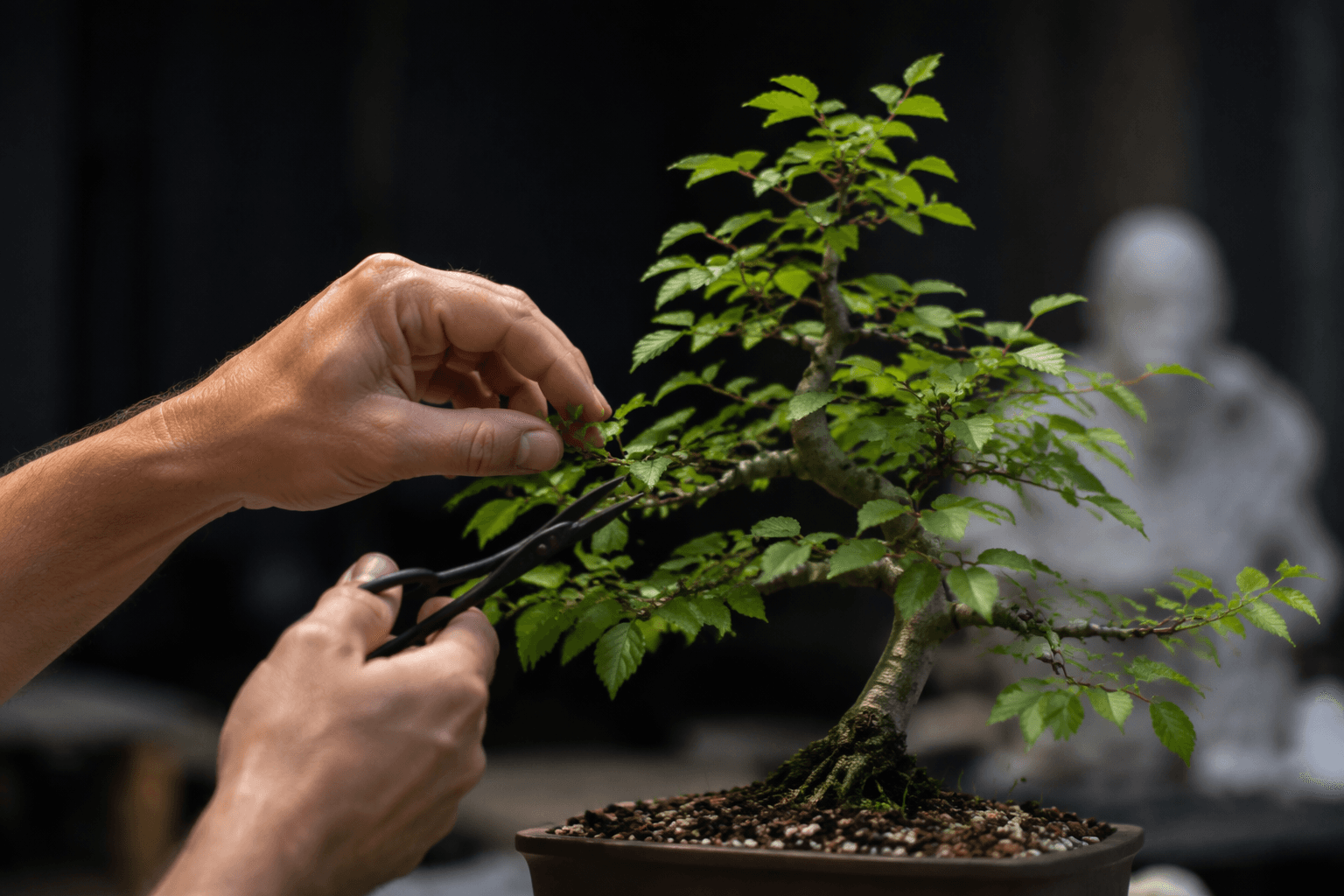
Corin Tomlinson turned a regular club night into a live decision-making session by styling a European hornbeam nursery tree for the Kitchener Waterloo Bonsai Society and then fielding questions on members’ own trees. For growers working with similar deciduous material, the real value was not just seeing a tree wired or pruned, but watching an experienced hand judge what to change now and what to leave for later.
A hornbeam demo built around real choices
Tomlinson came in as the guest from Greenwood Bonsai, the nursery founded in 1978 by Harry Tomlinson and now known well beyond the UK for its long pedigree. That background matters because a nursery-trained eye changes the conversation at the bench: a hornbeam is not treated as a finished display piece, but as material that still needs structure, taper and future ramification built in step by step.
European hornbeam is a strong subject for that kind of lesson because it rewards careful branch selection and seasonal timing. In mid-summer, the question is often whether the tree has enough vigor to keep pushing or whether the work needs to rein it in, and a live styling session puts those calls in front of everyone at once.
What to copy from the styling bench
The most useful takeaway from a hornbeam session like this is the sequence of decisions, not any single cut. First comes front selection, because the front determines how the trunk movement reads and which branches can help tell that story. After that comes branch selection, where you keep the growth that supports the design and remove the shoots that only clutter it.
A live nursery-tree styling also shows a second discipline that club growers should copy: hold back from chasing fine detail too early. Hornbeam can be pushed into refinement, but only after the tree’s structure is clear and its vigor is understood. If the material still needs trunk line, movement, or a better branch order, the smarter move is often to leave sacrificial growth in place and let the tree earn its next stage.
That is the kind of judgment club members can apply immediately to their own deciduous stock:
- Read the trunk and choose the front before worrying about pads and ramification.
- Use sacrifice growth when the tree still needs thickness or movement, not just cleanliness.
- Match pruning intensity to vigor, especially in summer when a tree may still be pushing hard.
- Avoid over-refining a hornbeam before the branch structure is settled.
Those are practical decisions, not exhibition polish, and they are exactly the sorts of calls that separate a neat trimming from a believable bonsai in progress.
Why the club format matters
The Kitchener Waterloo Bonsai Society describes itself as a bonsai club for Kitchener Waterloo and the surrounding area, and this kind of guest visit shows why local meetings remain so valuable. Saunders’ description says Tomlinson did not just style the hornbeam, he also gave advice to many members about their own trees, which is where the learning becomes personal instead of theoretical.
That format fits Nigel Saunders’ own channel style as well. His channel description says he is creating living miniature trees and that much of his work is “clip and grow” in a “realistic” style, so it makes sense that his meeting coverage favors hands-on tree work over abstract commentary. A club night built around a live bench demo and open Q&A fits that philosophy perfectly, especially for growers who learn best by seeing each cut in context.
A club with an active public face
The July hornbeam visit also fits into a broader pattern of activity around the society. The club normally meets on the third Wednesday of each month except July, August and December, with meetings held at The Adult Recreation Centre, so a July guest appearance stands out as a special event rather than an ordinary calendar night. That kind of exception usually signals something worth showing up for, particularly when the guest brings a reputation like Greenwood Bonsai’s.
The society has also shown it can move beyond the meeting room. Saunders documented the KW Bonsai Society’s fall show at Meadow Acres Garden Center in Ontario, Canada, in October 2025, giving the club a public-facing presence that complements its indoor critique and demonstration format. The group also uses Facebook as an outreach channel, which helps explain why its events continue to draw attention beyond the immediate local membership.
Why the clip landed
The video drew 1,886 views and 192 likes, a healthy response for a club-focused bonsai session. That level of interest makes sense because the material offers something growers can use right away: a professional hornbeam styling, direct member feedback, and a clear example of how to think through a deciduous tree when summer growth is still active.
That is the lasting lesson from Tomlinson’s hornbeam on the bench. A good club night does not just show a tree changing shape, it shows the logic behind the change, and that is what growers can carry back to their own hornbeams, beeches and other deciduous material when the next styling decision comes due.
This article was produced by Prism’s automated news system from verified source data, official records, and press releases, then run through automated quality and moderation checks before publishing. The system is built and supervised by the people who set the standards it runs under. Read our full AI policy.
Did this article answer your question?