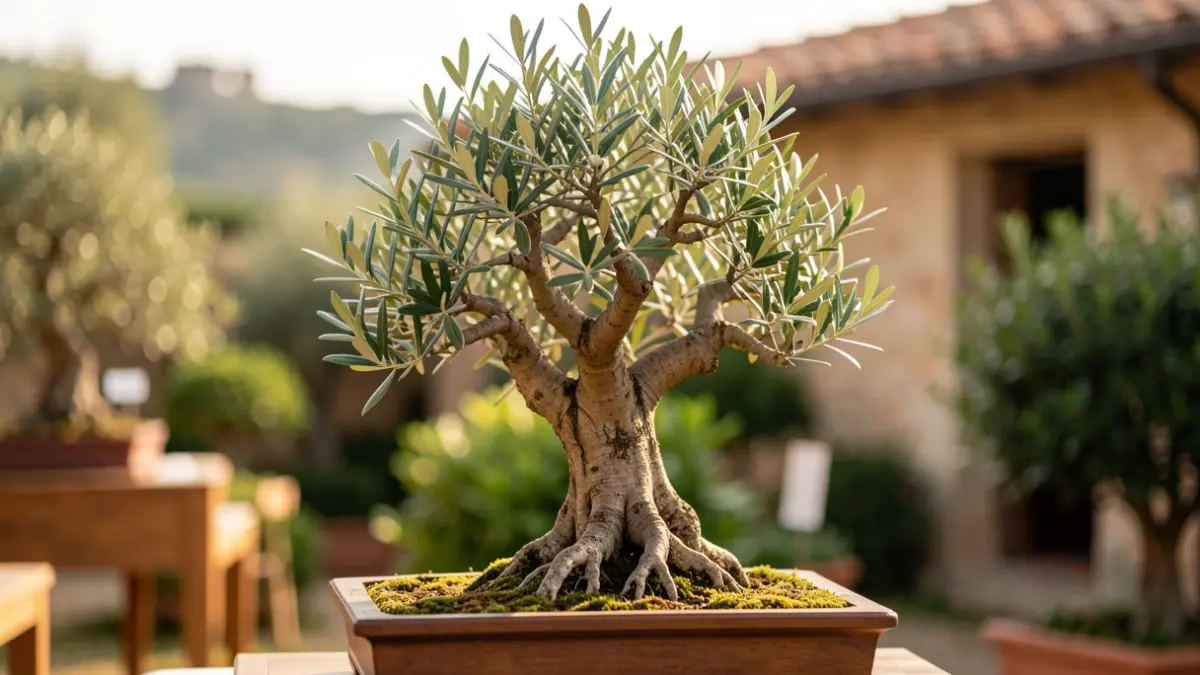
Five midwinter pruning and training tips to keep bonsai healthy
Jacob's Feb 15 post and other specialists advise conservative midwinter work: limit cuts to 25-30% and plan roughly 2-3 maintenance prunings a year for many deciduous bonsai.
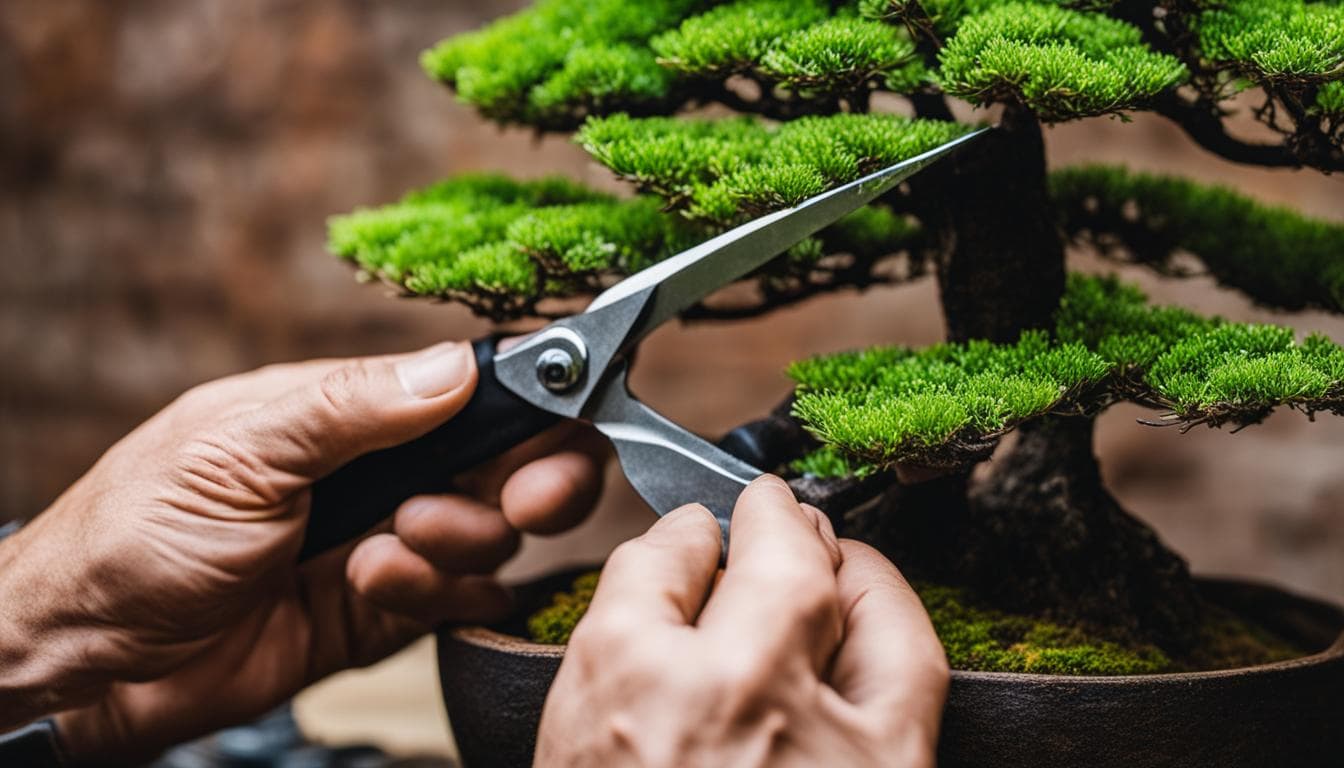
Midwinter pruning decisions are front of mind after Bonsai Garden’s editorial contributor Jacob published a late‑winter how‑to on February 15, 2026 aimed at novice bonsai enthusiasts. If you want immediate, actionable moves now, prioritize five things: cut conservatively, target top and outer growth, plan species‑specific leaf work for Maple and Zelkova, use the right tools and wound care, and wait on wiring until your tree has settled for a year.
Conservative pruning is the first rule. The Bonsai Tool & Supply Company of Canada advises beginners not to remove more than 25-30% of foliage at one time and to “take pauses during pruning to step back and observe your tree from all angles to ensure you are happy with the progress you are making.” That same source delivers the memorable caveat: “An important thing to remember is that you can always prune more but you can't glue branches back on.”
Know the difference between maintenance and structural pruning. Bonsai‑shop defines maintenance pruning as the regular, less drastic cuts that preserve style - approximately 2-3 times a year for many deciduous species including maple, apple, privet, Ficus, hornbeam, Serissa, linden, redwood, spindle, pepper tree, and elm. Conifers need less frequent work; Bonsai‑shop lists larch at 1-2 times per year and white pine, Juniper, and Podocarpus at about once per year. For deeper changes, Bonsai‑shop and Bonsaiempire counsel structural pruning early in development and caution that large removals are irreversible.
When it comes to redirecting growth, use apical dominance strategically. Bonsaiempire explains: “Knowing the natural growth patterns of trees tells us how we can use pruning techniques to counter the effects of apical dominance.” Prune top and outer portions more thoroughly to force growth inward and down, which helps refine ramification and interior twig density.

Leaf pruning and leaf thinning are species‑specific tasks, especially for Maple and Zelkova. Wazakurajapan sets out two approaches: “total pruning,” removing all leaves once new buds solidify, or “partial pruning,” trimming stronger outer leaves and leaving the rest. The guide states plainly: “The main purpose of leaf pruning is to reduce leaf size and promote twig development.” For leaf cutting, perform work from when leaves solidify until the end of the rainy season and trim leaves to one‑third to one‑half of their original size; for leaf thinning remove one leaf from each pair and leave outer‑positioned leaves to preserve balance. Apply fertilizer before the budding stage to boost vigor prior to pruning.
Tools, wound care, and training safety close out the list. Bonsaiempire notes that “pruning thick branches typically result in ugly scars but by using special concave cutters you can reduce scaring effects significantly,” and adds: “We advise sealing large wounds with cut paste, available at most online Bonsai shops. The paste protects the wounds from infections and helps the tree to heal faster.” Bonsai Tool & Supply recommends shortening branches where possible rather than removing them outright. For wiring and more elaborate training, Bonsaioutlet warns: “You should probably keep your first Bonsai for at least a year before attempting training. Do plenty of research on how to properly train your species. Done incorrectly, it can damage or even kill the tree,” and lists windswept and Bunjin as common wired styles.
A quick operational note: Jacob’s February 15, 2026 late‑winter post is the timely prompt for this roundup. I will verify a date discrepancy flagged in the Bonsai Tool & Supply Company of Canada item, which shows Jun 17, 2017 alongside a © 2026 line. Try these tips this week if temperatures and local timing allow, then reply to this story with photos or meeting notes from your club so we can share results, a clear before and after that follows the 25-30% rule or the 2-3 times/year cadence is a great share hook for your fellow growers.
This article was produced by Prism’s automated news system from verified source data, official records, and press releases, then run through automated quality and moderation checks before publishing. The system is built and supervised by the people who set the standards it runs under. Read our full AI policy.
Did this article answer your question?