Hands-On Bonsai Workshop Jan. 23 Teaches Shaping, Care for Beginners
Sixteen beginners learned hands-on shaping, trimming, watering and basic care at a Bountiful Bonsai Workshop led by Kimberly Helms, a practical start for new bonsai growers.

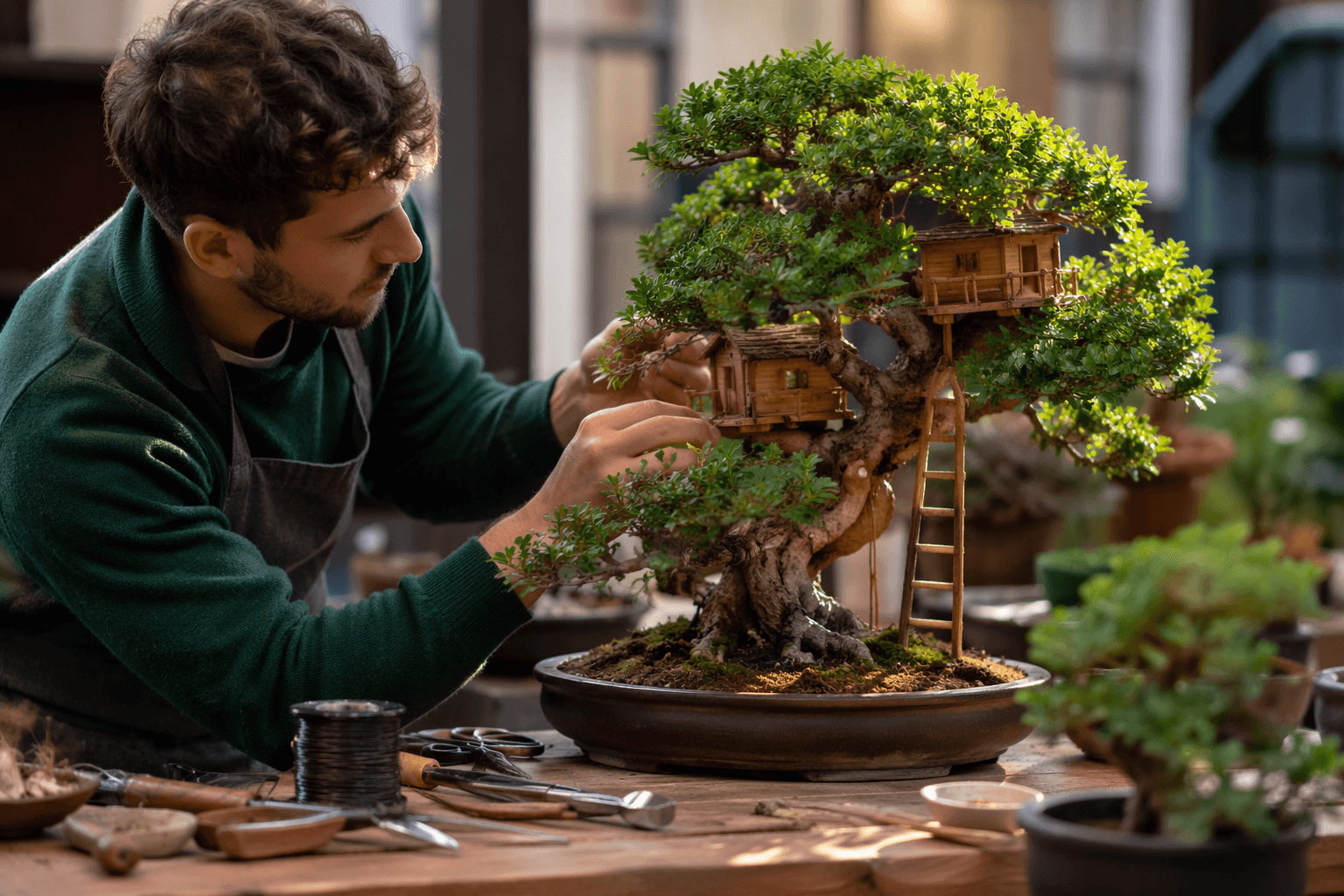
Sixteen participants spent the afternoon of Jan. 23 in a hands-on bonsai workshop that delivered practical training in shaping, trimming, watering and ongoing care. Instructor Kimberly Helms guided each attendee through the fundamentals, giving newcomers direct practice with live material and individualized feedback.
The three-hour session ran from 1:00 PM to 4:00 PM and was promoted by the society as suitable for beginners. Attendees paid a $75 fee to secure one of the limited 16 spots, a cap intended to keep instruction focused and hands-on. The class description emphasized step-by-step work on starter trees and basic aftercare so participants would leave with know-how they could apply immediately at home.
Participants chose from starter bonsai examples that included a cypress/Juniper and a dwarf jade, Portulacaria afra, two species often recommended for first-time growers because of their forgiving nature and capacity to respond to training. During the session, Helms led exercises in basic silhouette shaping and pruning, discussed effective watering routines, and demonstrated practical care techniques that reduce common early mistakes such as overwatering or improper pruning cuts.
Small-group, practical formats like this one matter because bonsai skills are tactile. Watching a technique is not the same as wiring a branch or assessing a rootball for repotting; the limited enrollment allowed Helms to correct hand positions, evaluate each tree’s needs, and tailor advice to the plant and participant. For new growers, that kind of immediate correction and confidence-building often determines whether a starter tree thrives through its first year.

The society provided contact and registration instructions with the original listing, making sign-up straightforward for those who prefer in-person instruction over solo video tutorials. Fees like the $75 charge reflect materials, plant selection and instructor time, and the society’s small-capacity approach keeps the learning experience intimate.
For readers who missed this session, the takeaway is practical: basic pruning, consistent but measured watering, and regular observation form the backbone of early bonsai care. Hands-on workshops that pair small class sizes with live material remain one of the fastest ways to move from curiosity to competent tree stewardship, and participants from the Jan. 23 class now have the core skills to keep their starter trees healthy and begin shaping them toward long-term form.
This article was produced by Prism’s automated news system from verified source data, official records, and press releases, then run through automated quality and moderation checks before publishing. The system is built and supervised by the people who set the standards it runs under. Read our full AI policy.
Did this article answer your question?