Indianapolis Bonsai Club packs spring festival, shohin demo, monthly meetings
The Indianapolis Bonsai Club turns May into a full on-ramp: a free festival display in Carmel, a shohin demo, and a hands-on bald cypress workshop.
A calendar built for entry points
The Indianapolis Bonsai Club is doing more than filling a month. Its spring schedule moves from a public festival in Carmel to a shohin demonstration at Garfield Park Conservatory, then into a focused bald cypress workshop, creating clear ways for newcomers, casual lookers, and experienced growers to plug into the same local bonsai scene.
That structure matters because it gives the community a path in. A free festival display can spark first contact, a meeting can teach design choices at a smaller scale, and a workshop can put a tree in someone’s hands. For a club founded in 1968 and linked with Bonsai Clubs International, the American Bonsai Society, and the Mid-America Bonsai Alliance, that kind of pipeline is how interest becomes membership and membership becomes a regional bonsai culture.
Carmel SpringFest opens the door
The most public-facing stop is Carmel Japan SpringFest, set for Sunday, May 3, 2026, from noon to 5 p.m. at One Civic Square and the Carmel Japanese Garden area in Carmel. The City of Carmel describes it as the second annual Japan SpringFest, formerly the Cherry Blossom Festival, and says it is presented by the Carmel Sister Cities Inc. Japan Committee in partnership with the city.
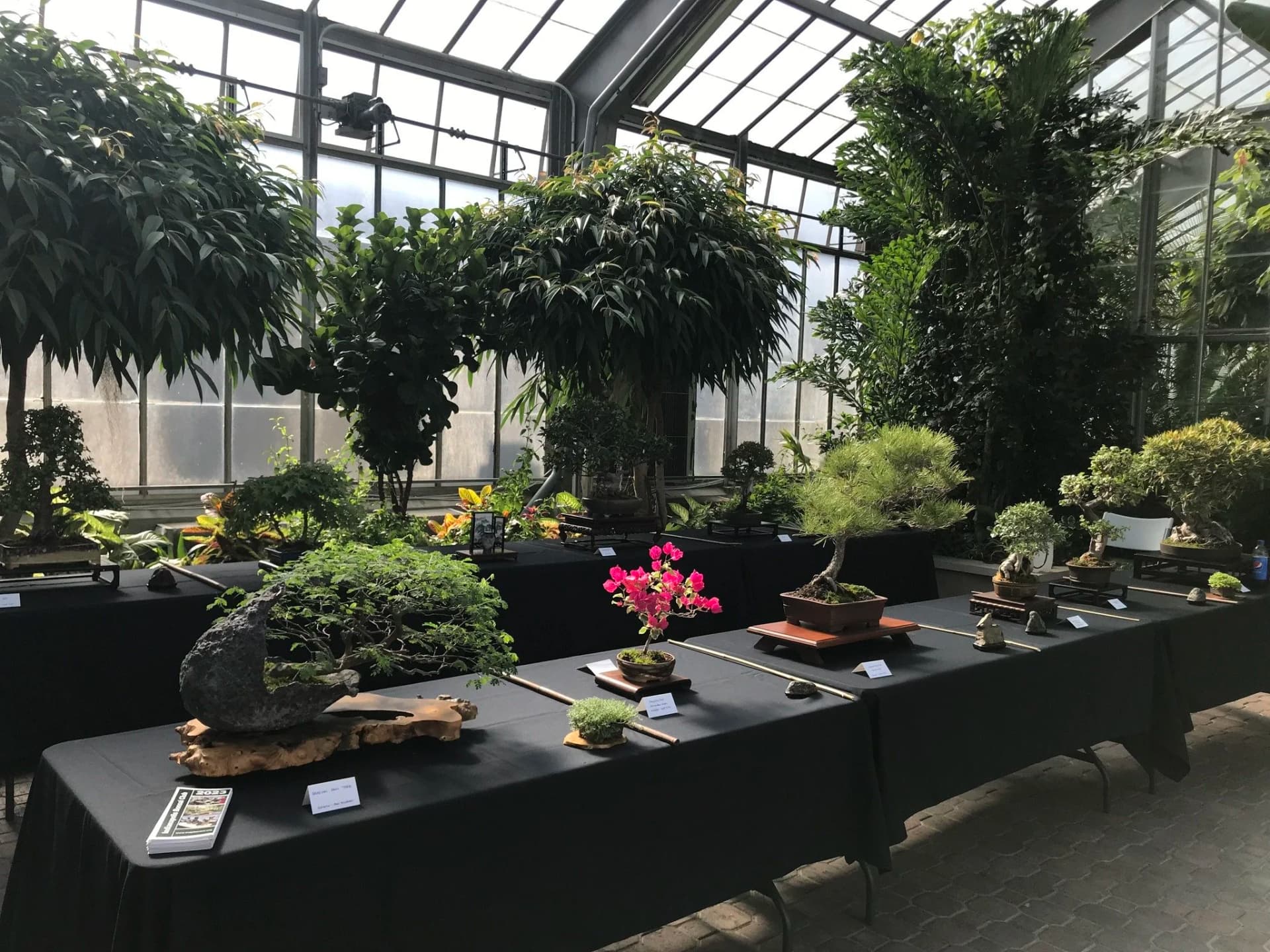
For the Indianapolis Bonsai Club, that festival is the easiest on-ramp of all. The club says it will be displaying bonsai and selling trees, bonsai accessories, and bonsai supplies, which means visitors do not just see finished work, they also get a look at the gear and plant material that make the practice possible. Add the Japanese food, performances, and cultural activities around the garden setting, and the club’s display becomes part of a broader cultural day rather than a niche table tucked in the corner.
For a newcomer, this is the best low-pressure place to start. You can look closely at established trees, ask basic questions, and leave with a clearer sense of what bonsai actually requires beyond the finished image. For the club, it is also a recruiting tool: free admission and a festive setting give it far more reach than a private meeting room ever could.
The shohin demo goes smaller and more technical
The next club marker is the May 6 meeting at Garfield Park Conservatory, where former president Mark Fields is scheduled to lead a shohin bonsai demonstration. The club says its monthly meetings are held on the first Wednesday of the month at 7 p.m. and are open to the public, which makes them an easy next step after a first encounter at a festival booth or show.
Shohin work gives the club a chance to teach a different set of decisions. Small trees compress everything, from branch placement to pot choice to display, and that scale forces growers to think carefully about proportion and refinement. A newcomer who attends the demo can come away with a better understanding of why shohin are not just miniature versions of larger bonsai, but a distinct discipline with its own visual and horticultural demands.
That is where the Indianapolis Bonsai Club’s calendar starts to show its value. The club is not asking everyone to begin at the same level. It is offering a public meeting that is accessible, while also giving a topic specific enough to reward people who already know the basics. Mark Fields brings the added weight of club leadership history, which makes the session feel rooted in the group’s own bench of experience.
Randy Bennett’s bald cypress workshop is the hands-on step
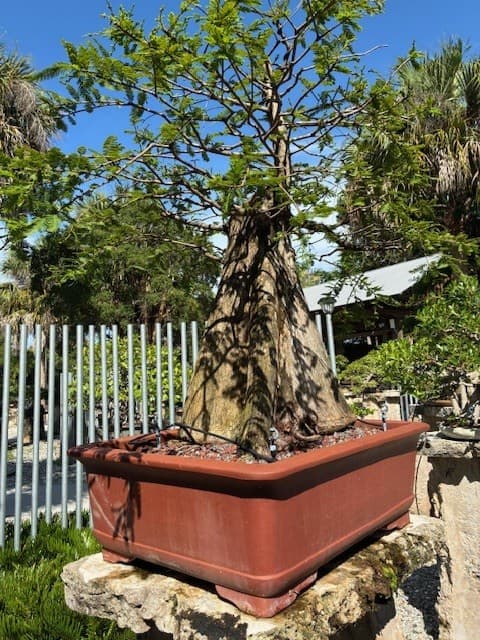
On May 16, the club moves into deeper instruction with a bald cypress workshop led by master bonsai artist Randy Bennett. The morning portion includes a PowerPoint lecture and a question-and-answer session on the care, styling, and development of bald cypress bonsai, followed by a hands-on session.
That format is exactly what makes a club calendar useful instead of just busy. Some people learn best by watching a tree get worked through step by step. Others need to touch the material, move branches, and make decisions under guidance. The club’s workshop structure accommodates both, with observation-only spots available and advance registration required for members.
The registration listing adds another practical detail: Bennett may have collected bald cypress trees available for sale, with one listing placing prices in the $125 to $500 range. For a grower who wants to move from theory into actual styling, that kind of offering can remove one of the biggest barriers to participation, because there is a tree to work on rather than just a lesson to absorb. It also shows the club serving a serious practice community, not only a casual audience.
Why the schedule matters beyond one month
The May calendar is only the front edge of a larger year. The club’s 2026 schedule also points to the Spring Garfield Park Bonsai Show on June 6-7, the Indiana State Fair Bonsai Show and Sale from August 7-23, and the fall Garfield Park Bonsai Show on September 5-6. Those dates matter because they create recurring chances for the public to encounter bonsai in different settings, from park shows to a major state-fair audience.
That repetition is how a regional scene gets stronger. One festival appearance can attract curiosity, one public meeting can convert curiosity into attendance, and one workshop can deepen skill. When those events are spread through spring, summer, and fall, the club keeps the conversation alive long enough for newcomers to return and for more advanced growers to keep building momentum.
A club model that keeps bonsai visible
Indianapolis Bonsai Club’s calendar works because it does not rely on a single marquee event. It uses Carmel SpringFest to reach the broadest audience, a public monthly meeting to keep the door open, a shohin demo to sharpen technique, and a bald cypress workshop to provide guided practice. That mix gives each attendee a realistic next step, whether the goal is simply learning what bonsai looks like up close or finding a tree to style with help from a master.
The larger message is hard to miss: a healthy club is not only a meeting date on the calendar. It is a sequence of invitations, each one a little more committed than the last, and that is exactly how a bonsai community keeps growing in central Indiana.
This article was produced by Prism’s automated news system from verified source data, official records, and press releases, then run through automated quality and moderation checks before publishing. The system is built and supervised by the people who set the standards it runs under. Read our full AI policy.
Did this article answer your question?