Bonsai pot selection for Chinese cork bark elm, size comes first
Jonas Dupuich's fourteen-pot test shows why size, not flash, decides Chinese cork bark elm styling and how the container rewrites the tree's story.
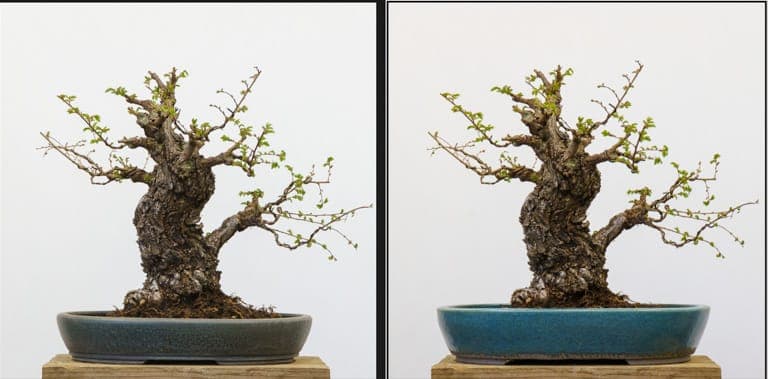
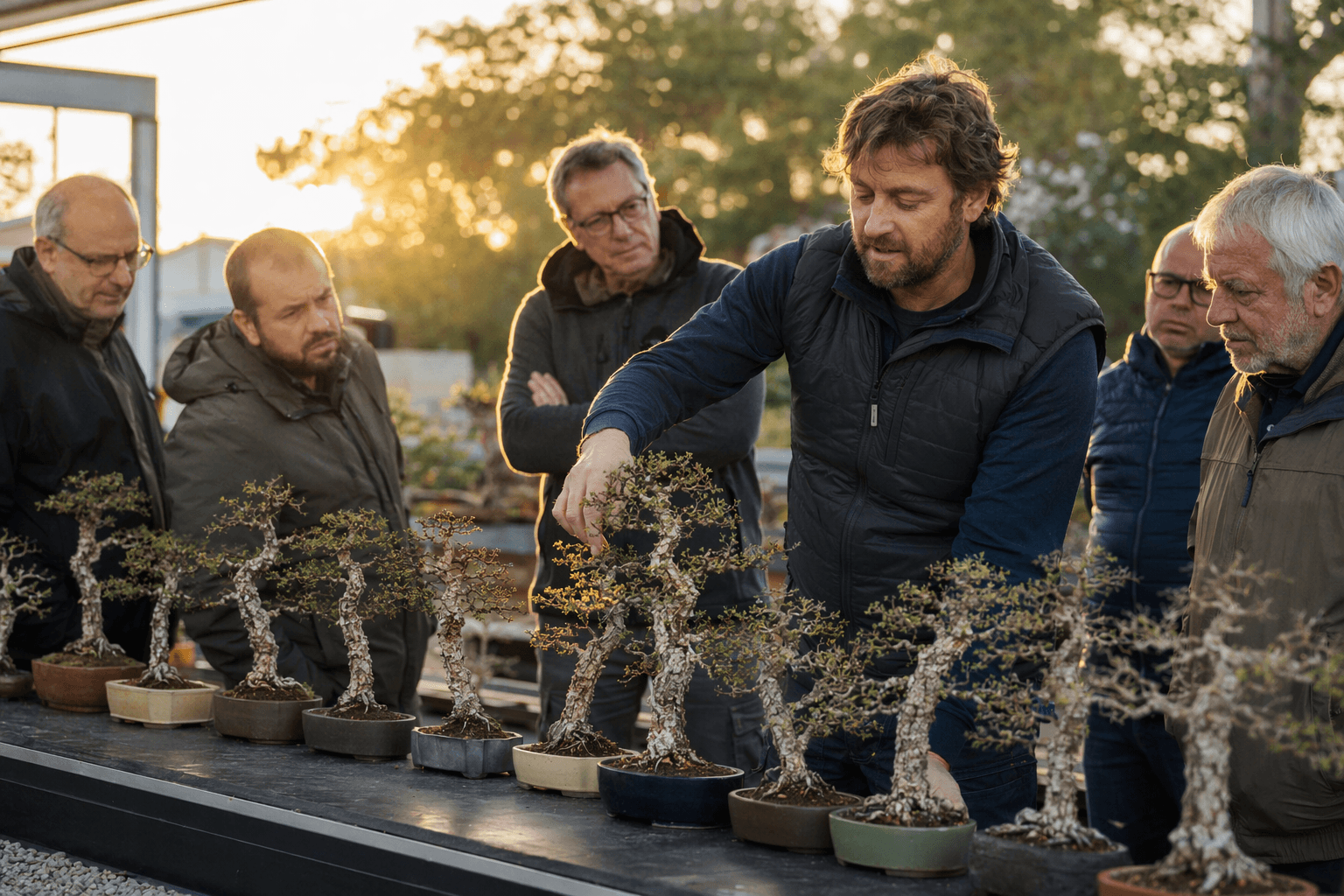
Fourteen pots, one elm
Jonas Dupuich put fourteen containers in play for a single Chinese cork bark elm, and that tells you everything about how serious bonsai decisions get made. The point was not to find the prettiest pot on the bench, it was to see which container let the tree look healthy, balanced, and believable at its current stage.
That is the useful part of the exercise. A pot is not just a frame around the tree. It changes the tree’s visual weight, its sense of maturity, and even the story you think the tree is telling.
Size comes before style
Dupuich’s own order is brutally practical: size matters most because it keeps the tree healthy, then shape, then color, then quality. That ordering is worth keeping close because it puts horticulture ahead of presentation, which is where a lot of people get turned around and buy a pot that looks expensive but fights the tree.
Bonsai pot choice starts with the tree’s needs, not with the collector’s eye. Drainage holes and wiring holes are not optional extras, they are part of whether the container can actually do the job. A useful rule of thumb says oval and rectangular pots often sit around two-thirds of the tree’s height, while round or square pots often land around one-third, with depth and proportions adjusted for foliage mass and root needs.
What the fourteen-pot comparison really showed
The interesting part of Dupuich’s comparison is that not every candidate failed for the same reason. Some pots simply looked too heavy for the elm, the kind of container that would make more sense under a larger trunk or a more massive composition. Others were more promising, but only if the crown continues to fill in with denser twigs and heavier branching.
That is the real lesson for anyone styling a tree in development. A pot can be right for where the tree is going without being right for where the tree is today. Dupuich was judging the elm against both its current silhouette and the future shape he expects from further refinement.
Why the green oval won
The final choice was a green oval, and the reason was not sentiment. Dupuich picked it because it fit the tree’s current stage of development, while still landing in the right zone for size and shape. He also felt the dark color worked with the bark, which matters more here than people sometimes admit.
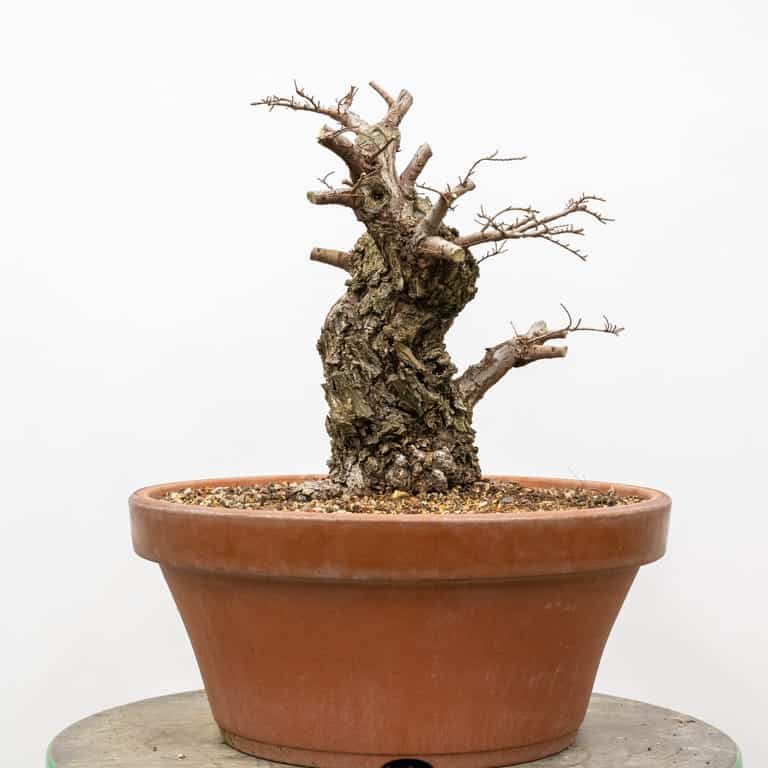
Chinese cork bark elm has bark that carries a lot of the composition on its own. A dark, craggy trunk can sit comfortably in a dark glazed oval because the container does not fight for attention, it supports the texture already doing the visual work. That kind of pairing is subtle, but subtle is often what separates a tree that feels assembled from one that feels grown.
Development stage changes the container conversation
Dupuich’s earlier container guidance makes this latest pot test even easier to read. He has already laid out the development ladder: nursery pots, Anderson flats, colanders, pond baskets, and then later clay containers when the tree is ready to show more polish. That progression is not about fashion, it is about matching the container to the tree’s job at the moment.
Anderson flats are useful because they increase air circulation and can reduce fungal root problems. Colanders and pond baskets push root development in a different way, because root tips die when they hit the container edge and branch back, which builds ramification. In his earlier writing, colanders were described as lasting about two to three years in full sun, while pond baskets can go five to ten years, which gives you a very practical sense of how long each training stage can last.
Why Chinese cork bark elm makes this lesson obvious
The species matters here because Chinese cork bark elm is forgiving material. Kisetsu-en describes it as very forgiving to hard pruning, easy to wire, and easy to grow, which is exactly why it tolerates so much development work without collapsing under it. The University of Michigan Matthaei Botanical Gardens and Nichols Arboretum notes that Ulmus parvifolia is native to China, Japan, and Korea and can reach 50 to 70 feet in the wild, with corky bark especially prized in bonsai.
That bark is the whole conversation. When a tree already has strong texture, the pot has to know its place. Too much container and the tree feels overbuilt; too little and the bark loses the authority it should have.
A framework you can use on your own bench
Dupuich’s method is useful because it can be repeated every time you face a tree and a row of possible pots. Instead of asking which pot you like best, ask which pot lets the tree stay healthy and speak clearly. The sequence is simple, but it keeps you honest.
- Start with fit and health. If the pot cannot support drainage, wiring, and the root volume the tree needs, it is the wrong pot no matter how good it looks.
- Check visual weight. Ask whether the container matches the trunk and canopy, or whether it looks like it belongs under a larger, more forceful tree.
- Let shape support the silhouette. A green oval can soften and settle a tree with rough bark; a heavier shape may be better once the crown has more mass.
- Use color as the last refinement, not the first impulse. Dark glazing can echo dark bark and help the whole composition feel unified.
- Think in stages. A tree in development should not be forced into a finish pot just because the pot is beautiful.
That is why this exercise matters beyond one Chinese cork bark elm. It shows that container choice changes the visual story of the tree, not just its fit on the bench. The best pot is the one that lets the tree look healthy today and still leaves room for the next chapter to make sense.
This article was produced by Prism’s automated news system from verified source data, official records, and press releases, then run through automated quality and moderation checks before publishing. The system is built and supervised by the people who set the standards it runs under. Read our full AI policy.
Did this article answer your question?