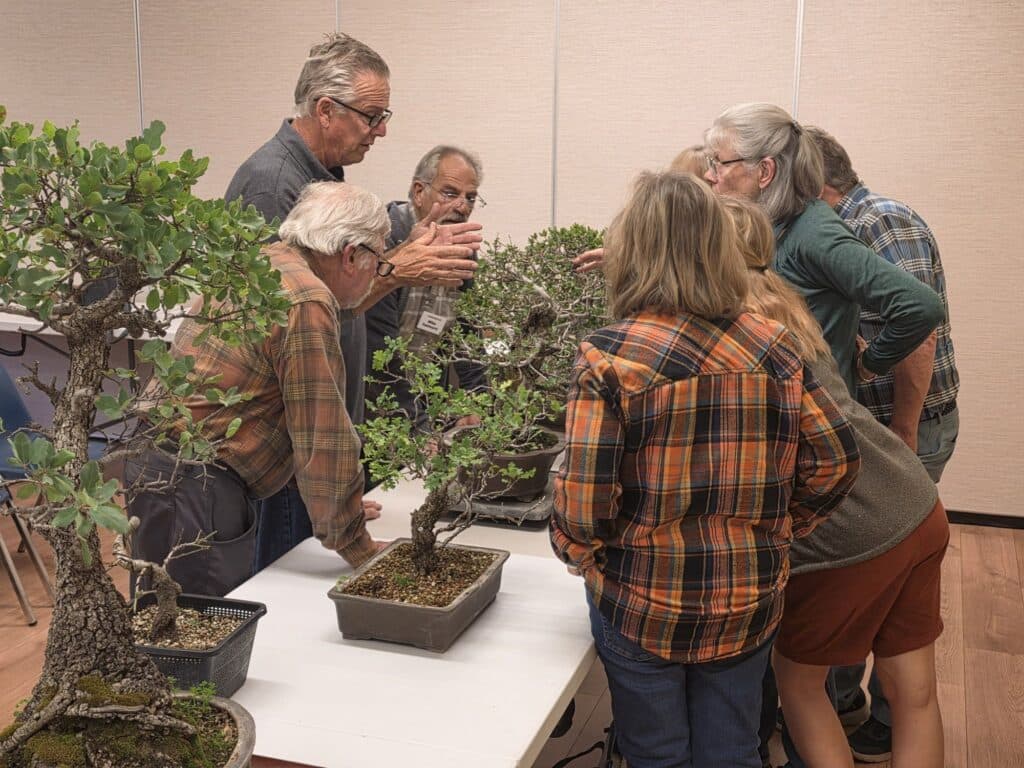
Japanese Bonsai Artists Use Ancient Techniques to Shield Endangered Trees
Bonsai artists in Japan are becoming unlikely conservationists, using centuries-old miniaturization techniques to preserve endangered tree genetics that climate change is erasing from the wild.
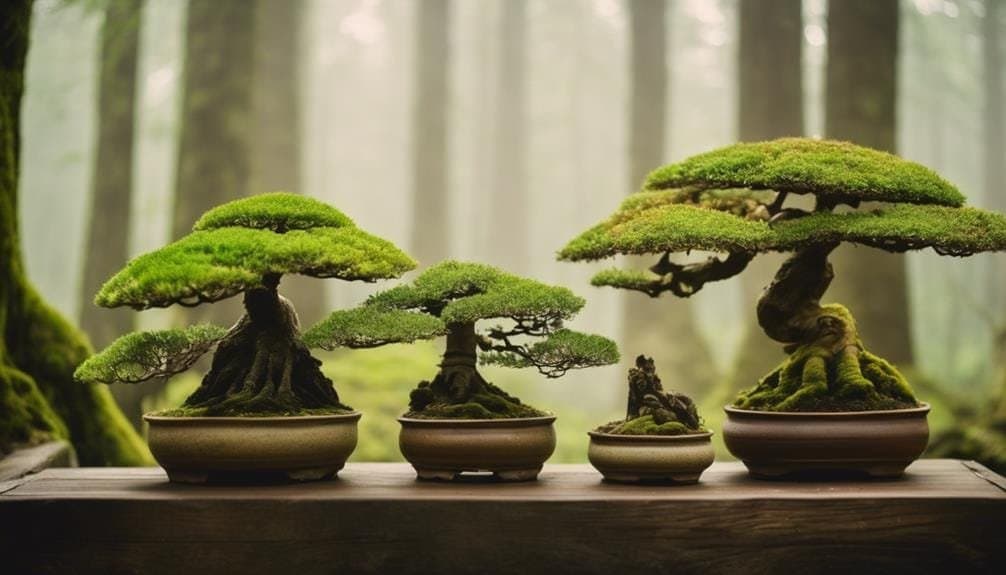
A bonsai specimen can outlive the forest it came from. Some trees cultivated in Japan's bonsai tradition have thrived for over 500 years, their genetics intact inside glazed ceramic pots long after their wild counterparts succumbed to logging, disease, or shifting climates. That longevity is no longer just a point of pride for practitioners. It has become the foundation of a serious conservation argument: that the same techniques used to miniaturize maples and junipers for aesthetic display can preserve endangered species at the genetic level, buying time for trees that have nowhere else to go.
As reported by the Washington Post and summarized by Illuminem, Japanese bonsai artists are applying traditional methods to cultivate and preserve species threatened by climate change. Bonsai expert David Easterbrook put it plainly: "Bonsai preserves genetics. Every tree has an ecological memory in miniature." That phrase, ecological memory, carries real weight in a moment when land-clearing agriculture, over-logging, and a destabilizing climate have pushed countless tree species toward threatened or endangered status. Some now survive only in small remnant stands or cultivated collections, making ex-situ preservation not a backup plan but the primary one.
The Bonsai Sanctuary model
The most fully developed framework for this kind of work is what Treeplantation describes as the Bonsai Sanctuary: a miniature tree plantation where endangered species are grown from seed collected around the world, housed in a footprint as modest as a single greenhouse or courtyard. The model is elegant in its logic. Each tree is trained in the bonsai style but, crucially, is not kept purely ornamental. It is allowed to mature enough to flower and bear seed. Those seeds are then stored in a dedicated tree seed bank, catalogued and held against the day when restoration opportunities arise. As Treeplantation puts it, "even though the parent plants are small, the seeds they produce will grow into full-size trees when planted in the wild or in restoration projects."
What makes this more than a thought experiment is the operational specificity behind it. Parent plants in the sanctuary are protected, documented, and carefully pollinated, with the genetic integrity of each specimen treated as the point of the entire enterprise. A single well-managed greenhouse can hold dozens of miniature specimens representing species that might no longer exist in sufficient numbers in the wild to sustain a viable population. The approach links seedling production, ex-situ conservation, and education, using bonsai simultaneously as a teaching tool and a living archive for climate-threatened species.
How the techniques serve conservation
Understanding why bonsai works as a conservation medium requires a look at what happens to a tree when it is trained in miniature. As Ecomatcher notes, bonsai trees adapt uniquely to their confined growing conditions, developing smaller leaves, shorter internodes (the spaces between leaves), and more compact growth patterns overall. These are physiological responses to the environment, not genetic changes, which is precisely what makes bonsai viable as a genetic repository. The underlying genome remains intact and transmissible even as the tree's external expression is shaped by the artist's hand.
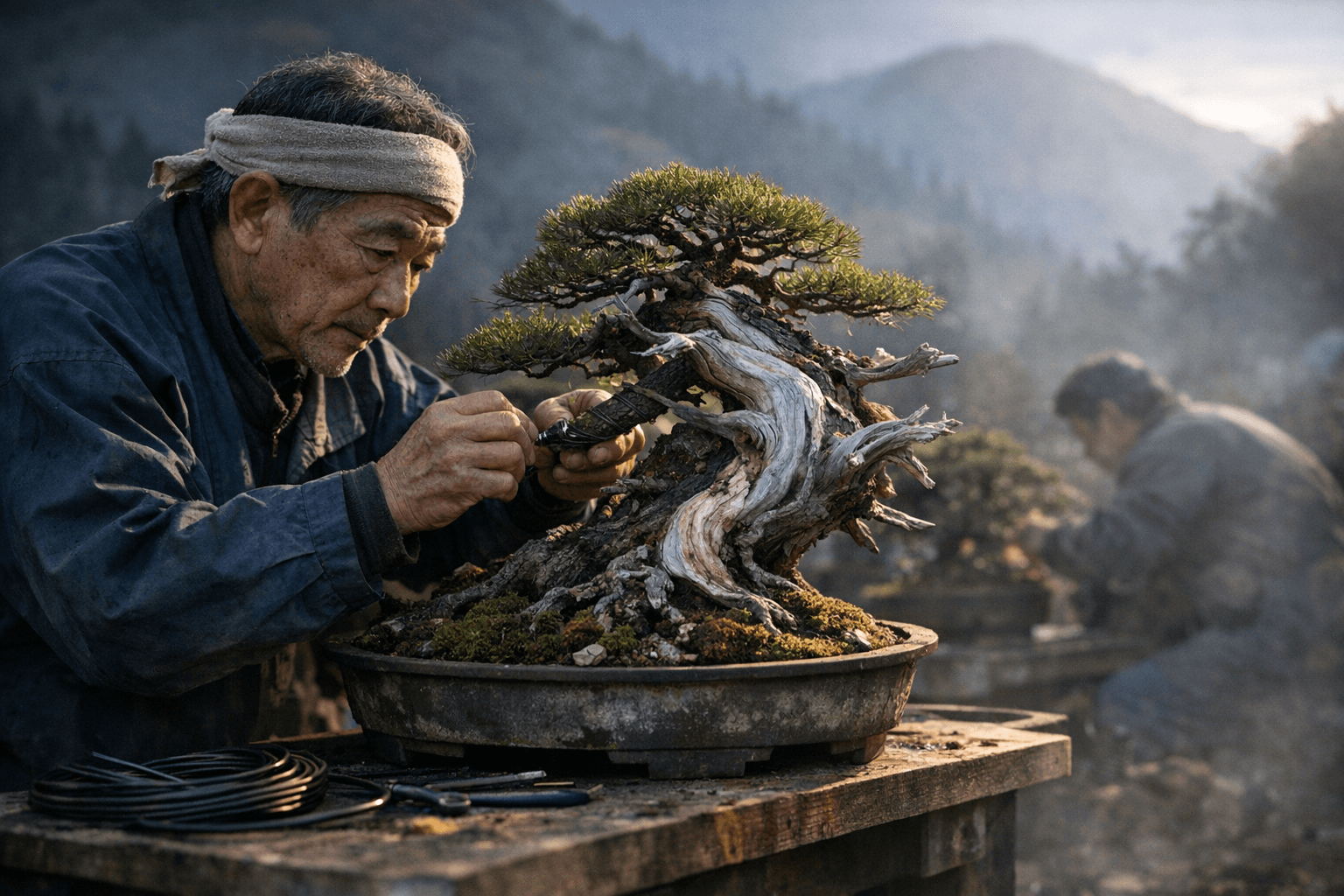
Pruning is the central technical practice that governs this process. It involves selectively removing branches and leaves to maintain the desired shape and size, but it is not a mechanical task. It requires a deep understanding of how the tree grows and distributes energy, which means skilled bonsai artists are, in effect, practicing applied tree biology every time they pick up a pair of shears. That expertise, accumulated over centuries of Japanese horticultural tradition, translates directly into the careful management a sanctuary tree demands.
The ethical dimension of collection is non-negotiable within this framework. Treeplantation is explicit: rare trees must be collected ethically from cultivation, not from wild poaching. Taking specimens from wild populations of already threatened species would compound the very problem conservation bonsai is trying to solve. The source material for a Bonsai Sanctuary must come from cultivated stock, ensuring that the sanctuary adds to the global pool of preserved genetics rather than depleting what remains in situ.
The gene bank argument
The case for bonsai as a living gene bank rests partly on the sheer lifespan of well-maintained specimens. The 500-year-old trees in Japan are not curiosities; they are proof of concept. A bonsai collection started today could, in principle, preserve genetic material across multiple human generations and multiple cycles of ecological crisis and restoration. For slow-growing or rare tree species facing environmental pressures in the wild, that kind of long-term custody has no obvious equivalent at the scale a single grower or small institution can manage.
Bonsai collections can serve as genetic repositories for at-risk trees and can potentially aid in future restoration efforts, a claim supported by Illuminem, Ecomatcher, and Treeplantation alike. The seed bank component of the Bonsai Sanctuary model is where that potential becomes actionable: documented, stored seeds from carefully pollinated miniature parents, ready to be propagated into full-sized trees whenever the land and the conditions are right.
Education, patience, and the wider role of the practitioner
Conservation bonsai does not exist in isolation from the broader culture of the practice. Part of what makes it meaningful as a public-facing effort is the pedagogical dimension. Bonsai collections educate visitors and students about ecosystem dynamics and the need for biodiversity protection in ways that abstract statistics cannot. Standing in front of a living tree that carries the genetics of a species down to a handful of wild specimens puts the stakes of biodiversity loss in immediate, tactile terms.
The meditative and psychological dimensions of bonsai practice, well documented in Susumu Nakamura's book "Bonsai: A Patient Art," reinforce rather than distract from this conservationist identity. Interacting with plants, even at small scale, can lower stress, improve focus, and boost overall mental health, according to research cited by Ecomatcher. The patience and humility that serious bonsai practice demands are, it turns out, exactly the temperament that long-term conservation work requires. A species preserved across 500 years of careful stewardship did not get there through impatience.
As more bonsai artists recognize and embrace the conservation potential of their craft, the ripple effects could extend well beyond individual collections. Public awareness about endangered trees and the ecosystems they anchor could grow substantially, and with it the restoration opportunities that seed-banked material from bonsai sanctuaries is designed to support. The artists who have spent years learning to read a tree's energy and shape its growth are, it turns out, precisely the people equipped to keep certain trees alive until the world is ready to plant them back.
Know something we missed? Have a correction or additional information?
Submit a Tip