Michigan cultural center announces bonsai workshop with traditional tea ceremonies
Saginaw's Japanese Cultural Center paired a bonsai workshop with its tea-ceremony program, giving beginners a two-art on-ramp in one visit.

The Japanese Cultural Center, Tea House, and Gardens of Saginaw used its spring lineup to make bonsai feel approachable instead of intimidating. Alongside its public tea ceremonies, the center announced a hands-on workshop that put a living tree, a teacher and a traditional setting in the same visit, giving first-timers a direct way into the art.
That setting matters. The tea house at 527 Ezra Rust Drive is described as one of the few authentic Japanese teahouses in the United States, and it was built in 1985-86 as a symbol of friendship with Saginaw’s sister city, Tokushima, Japan. For bonsai, that kind of venue does more than provide a room; it places the work inside the wider Japanese aesthetic the hobby comes from.
The center’s public schedule gives visitors a clear path in. Tea ceremonies were offered on the second Saturday of each month from 2 to 3 p.m., weather permitting, while the tea house and gardens reopened for the season on April 1 with daily programming running Tuesday through Saturday from noon to 4 p.m. That makes the center less like a one-off workshop site and more like a standing invitation to come back, watch, and learn.

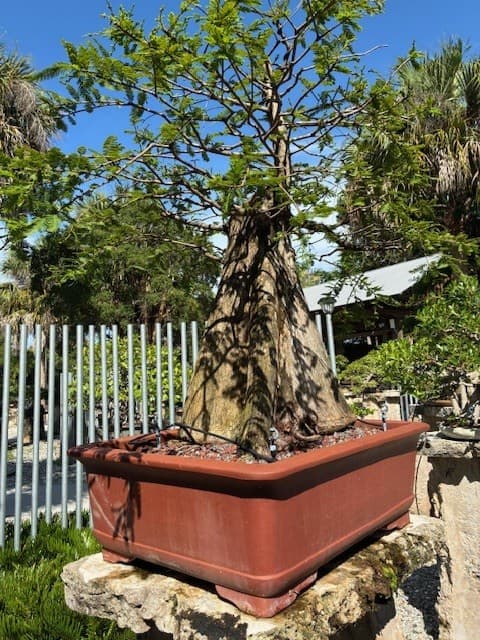
The bonsai workshop itself was listed as a May 31 session from 1 to 4 p.m. with Jack Sustic and a juniper tree, with another Sustic workshop planned later in the season. That kind of format is exactly what opens the door for newcomers: a live instructor, a specific tree species and a public-facing cultural center instead of a closed club room.
By pairing tea ceremony access with a practical bonsai class, the Japanese Cultural Center gave the hobby a wider entry point in mid-Michigan. It is the sort of setting that can pull in the culturally curious, the completely new, and anyone who wants to see bonsai in the context that gives the art its shape.
This article was produced by Prism’s automated news system from verified source data, official records, and press releases, then run through automated quality and moderation checks before publishing. The system is built and supervised by the people who set the standards it runs under. Read our full AI policy.
Did this article answer your question?